Category: Beaches in Fuerteventura

  • Alzada Beach

    Playa de la Alzada in Fuerteventura: Discover the Hidden Paradise of the Corralejo Dunes

    Explore Playa de la Alzada in Fuerteventura, a pristine gem within the Corralejo Dunes Natural Park. Discover its history, location, and top activities.
    General Introduction

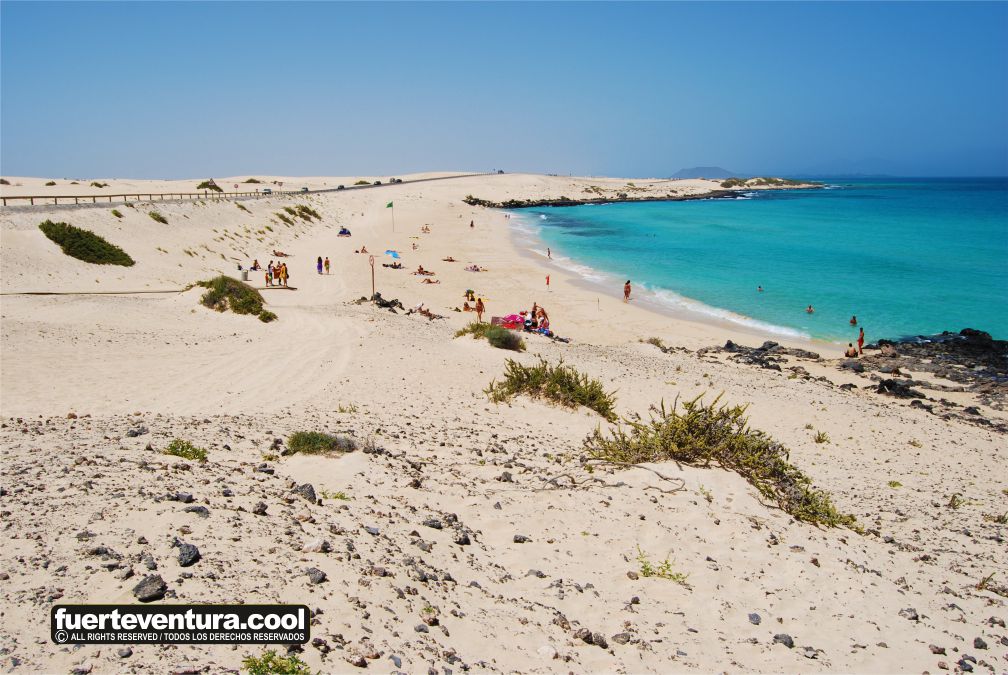
    Located in northern Fuerteventura, Playa de la Alzada is a haven of serenity and natural beauty. This unspoiled beach, nestled within the breathtaking Corralejo Dunes Natural Park, offers visitors soft white sands and crystal-clear waters in a virtually untouched setting. Its peaceful atmosphere and spectacular landscapes make it a must-visit destination for those seeking an authentic island experience.

    History and Cultural Context

    Although Playa de la Alzada does not have an extensive documented history, it is an integral part of the Corralejo Dunes Natural Park, a protected area covering approximately 2,600 hectares. This park stands as a testament to Fuerteventura’s rich natural heritage, shaped over centuries by the trade winds that have sculpted its dunes and coastline. The beach and its surroundings have witnessed the interaction between humans and nature, from traditional fishing practices to its current recognition as a sustainable tourism destination.

    Exact Location and How to Get There

    Playa de la Alzada is located in northeastern Fuerteventura, within the municipality of La Oliva, about 10 kilometers south of Corralejo. To get there:

    • By car: From Corralejo, take the FV-1 road southbound. Between kilometers 19 and 20, you will find a designated parking area. From there, a wooden walkway leads directly to the beach.
    fuerteventuraenimagenes.com

    • By public transport: Bus lines 6 and 7 connect Corralejo with the beach’s vicinity. Check schedules and stops to plan your visit.
    gofuerteventura.com
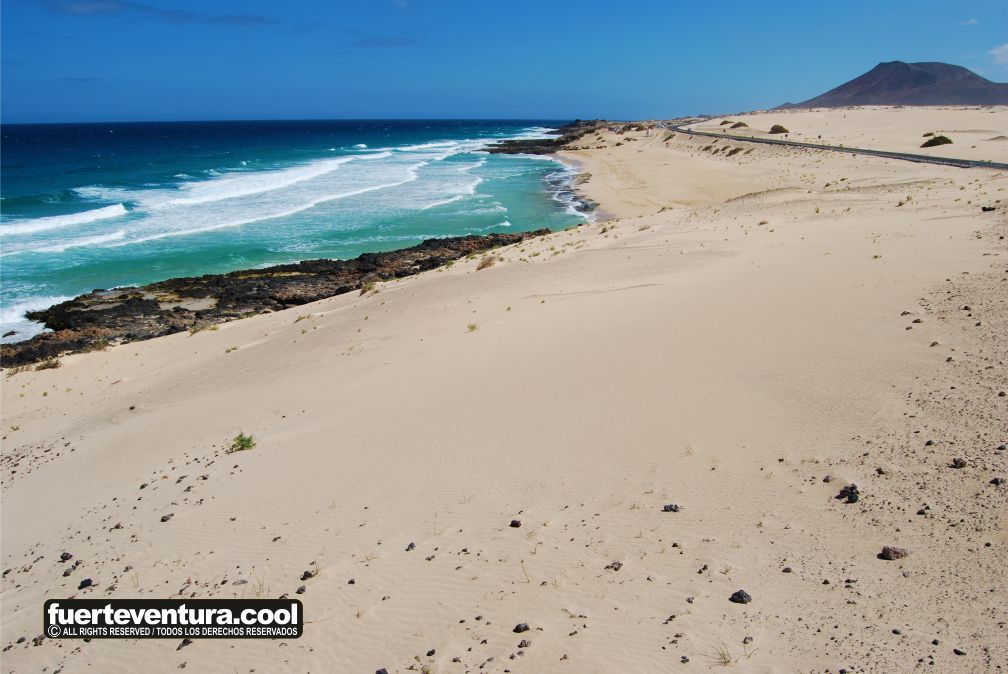
    Detailed Description of the Location

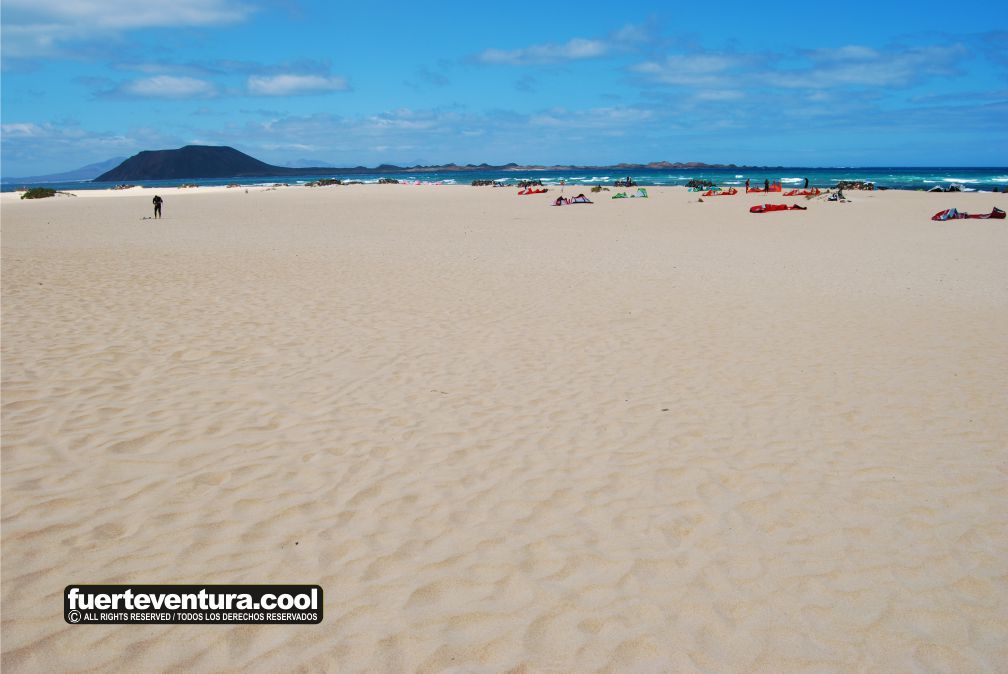
    Playa de la Alzada stretches approximately 300 meters in length and 40 meters in width, offering visitors a cozy and inviting space. Its fine white sand contrasts beautifully with the turquoise waters of the Atlantic. The landscape is dominated by the majestic Corralejo dunes, which create a dynamic and ever-changing scenery due to the constant influence of the wind.

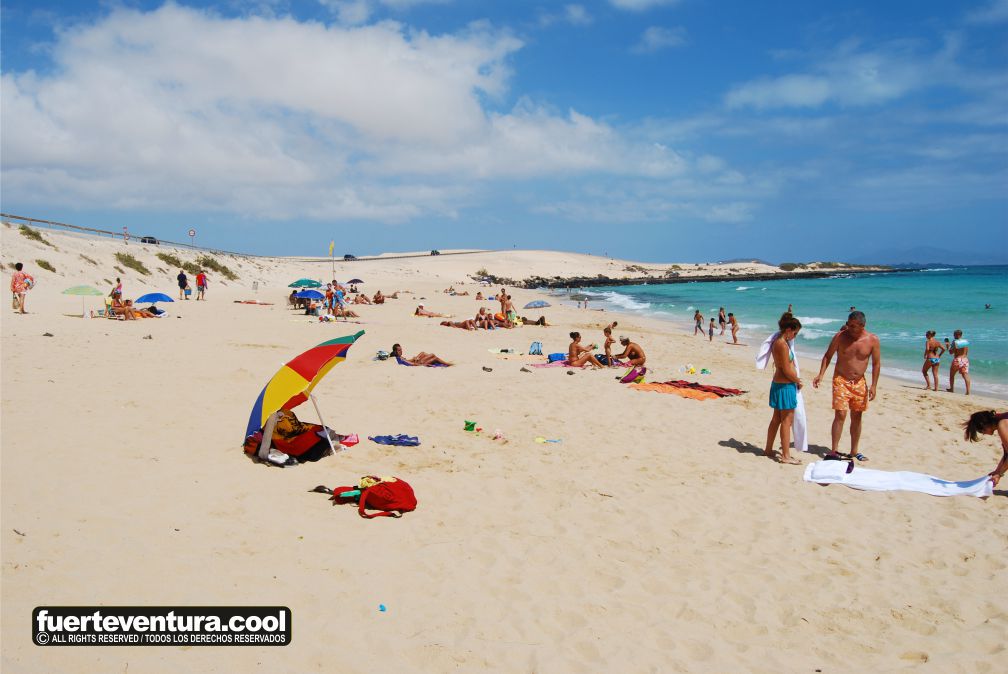
    Although the beach lacks amenities such as showers or restaurants, its untouched and pristine nature is part of its charm. It is a popular spot for beginner surfers taking advantage of the moderate waves, and it is also frequented by naturists seeking peace and relaxation.
    fuerteventuraenimagenes.com

    Recommended Activities

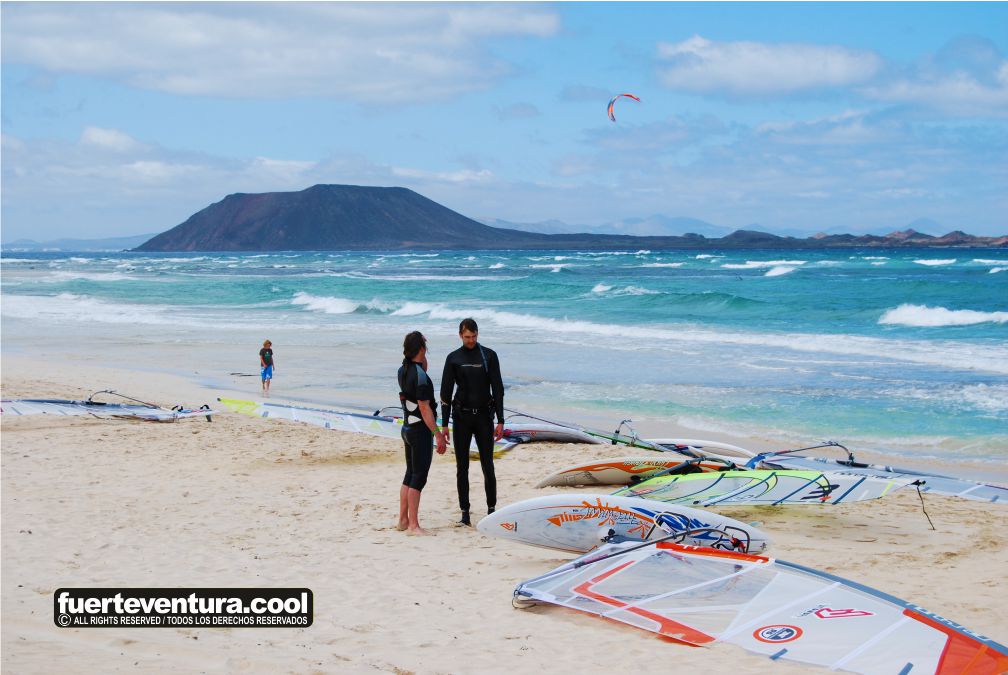
    • Water sports: The wind and wave conditions make Playa de la Alzada an ideal spot for surfing, especially for beginners. Several local schools offer lessons and equipment rentals.
    fuerteventuraenimagenes.com

    • Hiking and exploration: The Corralejo Dunes Natural Park offers scenic trails where visitors can admire local biodiversity and enjoy breathtaking panoramic views.

    • Wildlife observation: The area is home to various bird species and marine life, making it a perfect spot for nature and photography enthusiasts.

    Playa de la Alzada is a hidden treasure that combines natural beauty, tranquility, and adventure opportunities. Whether you seek to relax under the sun, engage in water sports, or explore unique landscapes, this beach in Fuerteventura offers an unforgettable experience.

    Practical Tips for Visitors

    Best Time to Visit

    Fuerteventura enjoys pleasant weather year-round, with temperatures ranging between 20°C and 28°C. However, September and October are particularly recommended for visiting Playa de la Alzada, as the trade winds tend to be milder during this period, creating more comfortable conditions for swimmers.
    imanesdeviaje.com

    What to Bring

    • Sun Protection: Given the intense sun exposure, it’s essential to bring high-SPF sunscreen, sunglasses, and a hat or cap.
    • Water and Snacks: There are no restaurants or beach bars, so it’s advisable to bring plenty of water and food for the day.
    • Beach Gear: While the beach is generally calm, on windy days, a sturdy wind-resistant umbrella and a towel or mat can enhance comfort.

    Beach Safety

    Although Playa de la Alzada is known for its generally calm waters, it’s crucial to be mindful of sea conditions, as unexpected currents may occur. Additionally, some days can be quite windy, so checking the weather forecast before your visit is recommended.
    tripadvisor.co

    Frequently Asked Questions (FAQ)

    Is Playa de la Alzada suitable for families with children?
    Yes, the beach generally has calm waters and a peaceful atmosphere, making it suitable for families. However, constant supervision is essential due to possible currents and the absence of lifeguards.

    Are there facilities like restrooms or showers on the beach?
    No, Playa de la Alzada is a virgin beach with no facilities such as restrooms, showers, or restaurants. Visitors should bring everything they need for their stay.

    Can water sports be practiced at Playa de la Alzada?
    Yes, on suitable days, the beach is frequented by surf schools that bring beginner students to take advantage of the moderate waves.
    capturetheatlas.com

    Does the beach have natural shaded areas?
    No, there are no natural shaded areas. Bringing umbrellas or sunshades is recommended for sun protection.

    Is nudism allowed at Playa de la Alzada?
    Yes, the beach is known for its relaxed atmosphere, and naturism is commonly practiced among visitors.


    Visitor Reviews and Experiences

    Here are some highlighted reviews from visitors to Playa de la Alzada:

    1. “Absolute tranquility”
      “A very peaceful beach, not overcrowded, with fine golden sand and clear, clean water. Be aware that some days can be quite windy.”
      tripadvisor.co
    2. “Ideal for relaxation”
      “One of our favorite beaches, with lifeguards due to the waves and currents, but also because of its popularity among surfers.”
      tripadvisor.es
    3. “A hidden gem”
      “Playa de la Alzada is a hidden treasure in Fuerteventura. Perfect for disconnecting and enjoying nature in its purest form.”
    4. “Untouched nature”
      “I loved the feeling of being on a virgin beach, with no buildings around. Just make sure to bring everything you need, as there are no services.”
    5. “Perfect for surfing”
      “The waves here are ideal for beginner surfers. Several schools bring their students to practice.”
    6. “Crystal-clear waters”
      “The water is so clear that you can see the seabed perfectly. A true paradise.”
    7. “Relaxed atmosphere”
      “Although there are no services, the peace and tranquility of this beach more than make up for it.”
    8. “Easy access”
      “Simple to get to, with nearby parking. Ideal for a relaxing day.”
    9. “Naturism in harmony”
      “If you’re looking for a beach where you can practice naturism freely, this is the place.”
    10. “Breathtaking landscapes”
      “The views from the dunes are simply spectacular. A place to lose yourself in nature.”

    Curiosities and Lesser-Known Facts

    • Natural Formation: The dunes surrounding Playa de la Alzada were formed from the pulverization of seashells and marine organisms, creating a unique white sand landscape.
    andurrianteblog.com

    • Biodiversity: The area is home to various migratory bird species, making it an interesting spot for birdwatching enthusiasts.

    • Origin of the Name: The term “Alzada” refers to the elevated terrain in the area, characterized by small dunes rising in front of the sea.
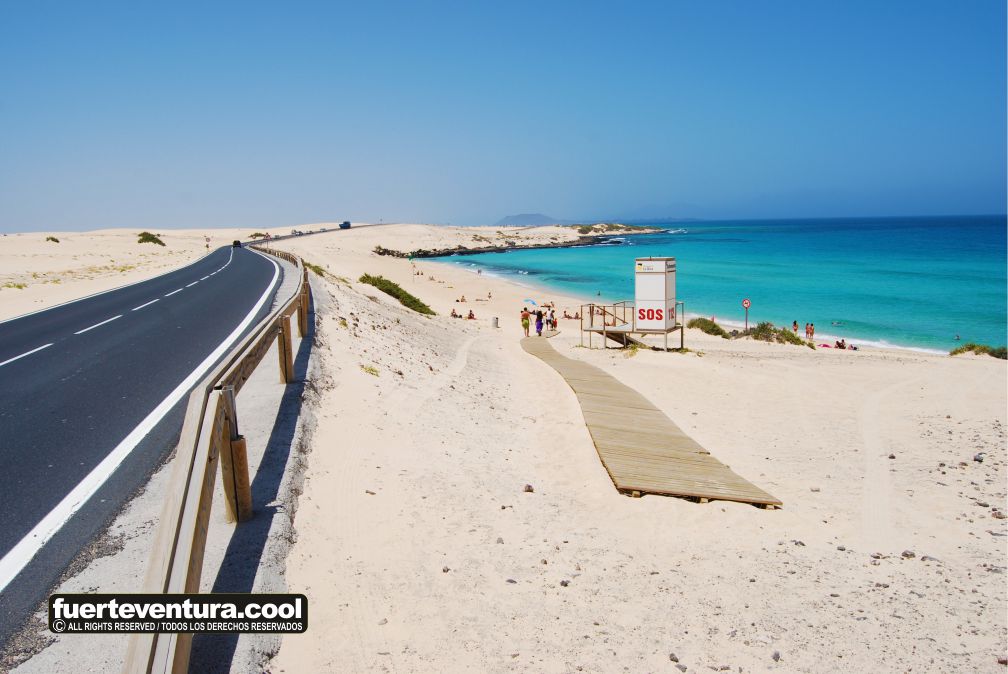

    Connections to Other Nearby Attractions

    Playa de la Alzada is in a prime location in northeastern Fuerteventura, making it easy to visit other fascinating sites on the island. Here are some nearby destinations to enhance your experience:

    Isla de Lobos

    Just 2 kilometers northeast of Fuerteventura lies Isla de Lobos, a small islet covering approximately 4.5 km². This natural paradise is accessible via regular ferries departing from the port of Corralejo, with travel times ranging from 10 to 20 minutes.

    Declared a natural park, the island is home to over 130 plant species and various birds, such as the yellow-legged gull and the Cory’s shearwater. It also features hiking trails leading to emblematic spots like the Punta Martiño Lighthouse and Montaña La Caldera, which rises 127 meters above sea level. To preserve its delicate ecosystem, access is regulated, and visitors must request a free permit before arriving.
    gofuerteventura.com

    El Cotillo

    Located on the northwest coast of Fuerteventura, El Cotillo is a charming fishing village that has retained its traditional essence despite growing tourism. About 20 kilometers from Playa de la Alzada, this village boasts stunning beaches such as Playa de La Concha, known for its turquoise waters and white sands, perfect for swimming and snorkeling.

    El Cotillo is also home to the historic Tostón Castle, an 18th-century defensive tower built to protect the coast from pirate attacks. From here, visitors can enjoy breathtaking panoramic views of the coastline.
    gofuerteventura.com

    Playa de la Alzada not only offers a sanctuary of tranquility and natural beauty but also serves as a gateway to exploring other treasures of Fuerteventura, such as Isla de Lobos and the picturesque village of El Cotillo. Planning visits to these locations will enrich your experience on the island, allowing you to discover the diverse landscapes and cultural heritage that Fuerteventura has to offer.

    Google map of the Castillo beach in Fuerteventura.

    Sources Used

    For the creation of this article, the following sources were consulted:

  • Flag Beach – Great Beaches Corralejo

    Discover the Great Beaches of Corralejo in Fuerteventura: A Paradise of White Sands and Turquoise Waters

    Explore the stunning Great Beaches of Corralejo in Fuerteventura, a paradise of white sand dunes and crystal-clear waters. Learn about its history, location, activities, and how to reach this must-visit destination in the Canary Islands.

    General Introduction

    Located in the northeast of Fuerteventura, the Great Beaches of Corralejo stretch along approximately 9 kilometers of uninterrupted coastline, offering visitors a breathtaking landscape of white sand dunes and turquoise waters. This natural enclave, part of the Corralejo Natural Park, is renowned for its scenic beauty and tranquil atmosphere, making it an ideal destination for those seeking relaxation and a deep connection with nature.

    History and Cultural Context

    Before the arrival of Europeans, Fuerteventura was inhabited by the Majos or Maxos, a tribal society of Berber origin. The island was divided into two kingdoms: Maxorata in the north and Jandía in the south, separated by a wall at the La Pared isthmus. Over time, Corralejo evolved from a humble fishing village into one of the island’s main tourist hubs, managing to preserve its essence and traditions despite the growth of tourism.

    Exact Location and How to Get There

    The Great Beaches of Corralejo are located in the municipality of La Oliva, in northeastern Fuerteventura. To reach them:

    • From Fuerteventura Airport: Take the FV-1 road north. The drive takes approximately 40 minutes.
    • By Public Transport: Bus routes connect Puerto del Rosario (the island’s capital) with Corralejo. From Corralejo, the beaches can be accessed by taxi or on foot.

    Detailed Description of the Area

    The surroundings of the Great Beaches of Corralejo are defined by vast white sand dunes that contrast beautifully with the deep blue of the Atlantic Ocean. These dunes, formed by the breakdown of marine shells, create a unique desert-like landscape within the Canary Islands. The area is home to a variety of flora and fauna, including migratory birds and plants adapted to arid conditions. Additionally, the panoramic views include the nearby Lobos Islet and, on clear days, the island of Lanzarote.

    Recommended Activities

    The Great Beaches of Corralejo offer a wide range of activities for all preferences:

    • Water Sports: The wind and wave conditions are ideal for windsurfing, kitesurfing, and surfing. Several local schools offer courses for beginners and advanced practitioners.
    • Hiking: Exploring the dunes on foot allows visitors to fully appreciate the beauty of the landscape and observe local wildlife in its natural habitat.
    • Relaxation and Swimming: The extensive fine-sand beaches are perfect for sunbathing and swimming in crystal-clear waters.
    • Nature Observation: The park is an exceptional location for birdwatching and landscape photography.

    With its combination of stunning landscapes, rich history, and diverse activities, the Great Beaches of Corralejo stand out as a must-visit destination for anyone traveling to Fuerteventura.

    Practical Tips for Visitors

    Best Time to Visit

    The Great Beaches of Corralejo offer pleasant weather year-round, with temperatures ranging between 20°C and 25°C even in the winter months. However, the peak tourist season falls between December and April, as well as during the summer months when the beaches can be more crowded. If you prefer a quieter experience, consider visiting in May, June, September, or October.

    What to Bring

    • Sun Protection: The sun in Fuerteventura is intense, so be sure to bring high-SPF sunscreen, sunglasses, and a hat or cap.
    • Light Clothing: Opt for comfortable, breathable clothing. A swimsuit is essential to enjoy the sea.
    • Appropriate Footwear: If you plan to explore the dunes or go hiking, wear comfortable, closed-toe shoes.
    • Water and Snacks: Although there are facilities near the main beaches, it’s a good idea to bring water and a snack, especially if you plan to venture into less crowded areas.

    Beach Safety

    • Currents and Waves: While the waters are generally calm, some areas may have strong currents. Pay attention to safety flags and follow the lifeguards’ instructions.
    • Wind: Fuerteventura is known for its constant winds, which are ideal for water sports. However, be cautious with lightweight objects that may be blown away and consider using a windbreaker at the beach.
    • Flora and Fauna: Respect the natural environment. Avoid disturbing local wildlife and refrain from collecting plants or seashells.

    Frequently Asked Questions (FAQ)

    Are there facilities available on the beaches?
    Yes, the beaches closest to the hotels, such as Playa del Bajo Negro, offer amenities like sunbed and umbrella rentals, as well as restaurants and lifeguard services. However, the more remote beaches may lack these services, so it’s best to come prepared.

    Is it necessary to rent a car to reach the beaches?
    Not necessarily. From Corralejo, the beaches are accessible by public transport, bicycle, or even on foot. However, renting a car provides greater flexibility for exploring other parts of the island.

    Is nudism allowed on the beaches?
    Yes, in several of the more secluded beaches, such as the small coves in the south, nudism is common and permitted.

    Is it safe to swim at the beaches?
    In general, the waters are safe for swimming. However, always pay attention to signs and safety flags, as some areas may have strong currents.

    Are there specific areas for water sports?
    Yes, beaches like El Médano are popular for activities such as kitesurfing and windsurfing due to their favorable wind conditions.

    Visitor Reviews and Experiences

    Here are some featured reviews from visitors who have enjoyed the Great Beaches of Corralejo:

    1. “The beaches here are incredible, with stunning views of Lobos Island and Lanzarote.”
    2. “White sand, crystal-clear waters, and a peaceful atmosphere. A perfect place to relax.”
    3. “Ideal for water sports like kitesurfing. The winds are perfect, and the scenery is unbeatable.”
    4. “The dunes offer a unique experience; walking through them feels like being in another world.”
    5. “Although it’s a popular beach, there’s always enough space for everyone. It never feels overcrowded.”
    6. “The waters are perfect for swimming, and the sunset views are simply spectacular.”
    7. “A must-visit if you’re in Fuerteventura. The combination of dunes and beach is wonderful.”
    8. “There are areas for everyone: families, athletes, and those seeking tranquility. Very versatile.”
    9. “The beach is impressively clean, and the water has a turquoise color that invites you to dive in.”
    10. “The views from the dunes are breathtaking; on clear days, you can even see Lanzarote.”

    Curiosities and Lesser-Known Facts

    • Dune Formation: The Corralejo dunes were formed from the breakdown of marine shells, creating a unique desert-like landscape in the Canary Islands.
    • International Kite Festival: Every November, the Great Beaches of Corralejo host the famous International Kite Festival, attracting participants from around the world to fill the sky with spectacular displays of colors and shapes.
    • Strategic Location: From the shore, you can see Lobos Island and, on clear days, Lanzarote, offering stunning views and excellent photography opportunities.
    • Film and Advertising Location: Its white sand and crystal-clear waters have been used in numerous commercials and film productions.
    • Biodiversity Sanctuary: Despite its arid appearance, the area is home to various protected bird species, such as the Canary houbara, making it an essential ecosystem for local wildlife.

    Connection to Nearby Attractions

    Visiting the Great Beaches of Corralejo is a complete experience, but it also serves as the perfect starting point for exploring other nearby wonders:

    • Corralejo Natural Park: A 2,600-hectare protected area featuring stunning dunes and unique desert landscapes in Europe.
    • Lobos Island: A small natural paradise accessible by ferry from Corralejo’s port. Ideal for hiking, snorkeling, and birdwatching.
    • Corralejo: This lively coastal town offers a wide variety of restaurants, bars, and shops, as well as a vibrant nightlife.
    • El Cotillo: Just a 30-minute drive away, this quiet fishing village boasts stunning beaches and natural lagoons with crystal-clear waters.
    • Tindaya Mountain: Considered sacred by Fuerteventura’s indigenous people, this mountain offers panoramic views and significant archaeological value.

    Sources Used

    Here are the main sources used to create this article:

    Google map of the Flag beach in Fuerteventura.

    Fuentes Utilizadas

    A continuación, se presentan las principales fuentes utilizadas para la creación de este artículo:

  • Tebeto Beach

    Discover Tebeto Beach in Fuerteventura: A Hidden Paradise to Explore

    Immerse yourself in the serenity of Tebeto Beach in Fuerteventura, a hidden gem offering pristine landscapes, rich history, and activities for nature lovers.

    Introduction to Tebeto Beach

    Located on the northwestern coast of Fuerteventura, Tebeto Beach is a haven for those seeking tranquility and a deep connection with nature. Known for its secluded atmosphere and natural beauty, this beach offers a unique experience far from the usual tourist crowds.

    History and Cultural Context

    Tebeto Beach, also known as Playa de Tindaya, is situated near the village of Tindaya in the municipality of La Oliva. This area holds historical significance for local inhabitants, particularly due to the nearby Tindaya Mountain, which was considered sacred by the island’s indigenous people. While the beach itself has remained largely untouched and free from modern developments, its surroundings reflect Fuerteventura’s rich cultural heritage.

    Location and How to Get There

    Tebeto Beach is located on the northwestern coast of Fuerteventura, near the village of Tindaya. To get there:
    • From Puerto del Rosario: Take the FV-10 road towards La Oliva and follow the signs to Tindaya. From there, access to the beach is via unpaved roads, so a suitable vehicle for rough terrain is recommended.
    • From Corralejo: Drive south on the FV-101 to La Oliva, then take the FV-10 towards Tindaya.

    It’s important to note that there is no well-defined official path to the beach, which can make access challenging. Visitors are advised to be well-prepared and consider the terrain conditions before venturing out.

    Detailed Description of the Area

    Tebeto Beach stretches approximately 200 meters in length and 30 meters in width, surrounded by cliffs that enhance its secluded character. The golden sand and crystal-clear waters create a breathtaking landscape, though strong winds and waves are common, adding to its wild and untamed feel. The beach lacks services and amenities, making it an ideal destination for those seeking an authentic experience in direct contact with nature.

    Recommended Activities

    Practical Tips for Visitors

    Although Tebeto Beach has no tourist facilities, its surroundings offer various activities for nature enthusiasts:
    • Hiking: The Tindaya area features hiking trails that allow visitors to explore the region’s geology and flora.
    • Photography: The scenic beauty of the beach and its surroundings makes it perfect for landscape photography.
    • Nature Observation: The area is home to diverse flora and fauna, offering excellent opportunities for wildlife observation and biodiversity studies.

    Visitors should take precautions when swimming due to strong currents and the absence of lifeguard services. Additionally, it is recommended to bring provisions, as there are no commercial facilities nearby.

    Best Time to Visit

    Tebeto Beach, located on the northwestern coast of Fuerteventura, is ideal for those seeking peace and a deep connection with nature. The best time to visit is during spring and autumn when temperatures are pleasant, and tourist numbers are lower. During these months, the weather is mild, allowing visitors to fully enjoy the surroundings without the intense summer heat.

    What to Bring

    Since Tebeto Beach is a remote area with no services, it is essential to come well-prepared:
    • Water and food: There are no nearby establishments, so bringing enough water and food for your stay is recommended.
    • Sun protection: The Fuerteventura sun can be intense; sunscreen, a hat, and sunglasses are essential.
    • Proper footwear: Access to the beach involves walking on uneven terrain, so comfortable and sturdy shoes are advised.
    • Appropriate clothing: Although temperatures are generally warm, bringing a light jacket for the evenings is recommended, as it can get cooler.

    Beach Safety

    Tebeto Beach is known for its strong waves and currents, which can make swimming dangerous. Therefore:
    • Be cautious when swimming: Entering the water is discouraged due to sea conditions. If you decide to swim, do so with extreme caution and never alone.
    • No lifeguard services: There are no lifeguards in the area, so staying alert and aware of the risks is crucial.
    • Difficult access: The path to the beach is not well-marked and can be challenging. A 4×4 vehicle is recommended, and in some sections, visitors will need to continue on foot.

    Frequently Asked Questions (FAQ)

    Is Tebeto Beach suitable for families with children?
    Due to its difficult access, lack of services, and sea conditions, it is not recommended for families with young children.

    Can you camp at Tebeto Beach?
    There are no camping facilities, and as it is a protected area, local regulations should be checked before considering camping.

    Is there mobile coverage in the area?
    Coverage may be limited or nonexistent due to the beach’s remote location.

    Can you practice water sports at Tebeto Beach?
    The sea conditions are not ideal for conventional water sports due to strong waves and currents.

    Visitor Reviews and Experiences

    Although Tebeto Beach is less known and has fewer reviews than other beaches in Fuerteventura, some visitors have shared their impressions:

    1. Amateur Explorer: “Getting to Tebeto Beach was quite a challenge, but the solitude and natural beauty made it worthwhile. It’s a place to completely disconnect.”
    2. Nature Enthusiast: “The beach is a hidden treasure. There are no services, so come prepared. The views and tranquility are unmatched.”
    3. Professional Photographer: “The untouched landscape offers unique photographic opportunities. I recommend visiting at sunset for the best light.”
    4. Experienced Hiker: “The path to the beach is difficult and requires good footwear. Once there, the reward is a virtually deserted beach.”
    5. Curious Tourist: “Not a swimming beach due to the strong waves, but the peace and beauty of the place make it worth the visit.”
    6. Solo Adventurer: “If you’re looking for a place away from the crowds, Tebeto is perfect. Just make sure to bring everything you need, as there are no shops nearby.”
    7. Birdwatcher: “The area is excellent for birdwatching. I spotted several species I hadn’t seen elsewhere on the island.”
    8. Hiking Couple: “We enjoyed a picnic on the beach. It was a unique experience, though the access was a bit tricky.”
    9. Fuerteventura Local: “As a resident, I appreciate places like Tebeto where nature remains untouched. It’s a special corner of the island.”
    10. International Traveler: “I’ve traveled to many beaches worldwide, and Tebeto stands out for its purity and isolation. A true escape.”

    Curiosities and Lesser-Known Facts

    • Unique Geological Formations: Tebeto Beach is characterized by rock formations and cliffs that tell the geological story of Fuerteventura. These structures offer a fascinating glimpse into the volcanic processes that shaped the island.
    • Special Biodiversity: Despite its arid appearance, the area hosts a variety of flora and fauna adapted to extreme conditions, including endemic species not found elsewhere.
    • Local Legends: Some locals tell stories of ancient settlements and historical events near the beach, adding a sense of mystery to the place.

    Connections to Nearby Points of Interest

    • Tindaya Mountain: Considered sacred by the island’s indigenous people, this nearby mountain is a site of great cultural and spiritual significance.
    • Esquinzo Beach: Located south of Tebeto, this beach offers safer swimming conditions and is an excellent alternative for those looking to enjoy the sea.
    • El Cotillo: About a 30-minute drive away, this charming coastal town features calmer beaches, restaurants, and a vibrant local scene. It’s a great place to end a day of exploration at Tebeto.
    • Corralejo Dunes: If you’re looking for a contrast between Tebeto’s volcanic landscape and a more desert-like, paradisiacal setting, the Corralejo dunes in the northeast of the island are a must-visit.
    • Ajuy Caves: Located on the island’s western coast, these impressive sea caves showcase some of the oldest geological formations in the Canary Islands.

    Google map of the Castillo beach in Fuerteventura.

    Sources Used

    To create this article, Tebeto Beach was visited firsthand, with photos taken on-site. Additionally, various reliable and up-to-date information sources were consulted. Below are the links to the sources used:

  • La Solapa Beach

    La Solapa Beach in Fuerteventura: A Complete Guide to Discover This Hidden Gem

    Discover La Solapa Beach in Fuerteventura, a wild and uncrowded beach with dark sand and a stunning natural environment. Learn how to get there, what to do, and the best tips to enjoy it.


    Introduction

    Fuerteventura is renowned for its spectacular beaches and volcanic landscapes, and among its lesser-explored treasures is La Solapa Beach. Located on the island’s west coast, this beach stands out for its golden and black sand, powerful waves, and peaceful atmosphere, making it ideal for those seeking a retreat away from the tourist crowds. In this complete guide, you will find everything you need to visit and enjoy this paradise.


    History and Cultural Context

    Although there is no extensive documented history about La Solapa Beach, its name already suggests its essence: “Solapa” means “hidden” or “concealed,” reflecting the sense of seclusion and tranquility experienced here. Over the years, the beach has served as a natural refuge for visitors looking to disconnect and immerse themselves in the beauty of the surroundings.


    Exact Location and How to Get There

    La Solapa Beach is located in the municipality of Pájara, on the west coast of Fuerteventura. To get there from the town of Pájara:

    1. Take the FV-605 road towards La Pared and Costa Calma.
    2. After 1.5 km, you will pass a turn-off towards Ajuy; keep going straight.
    3. About 4 km from Pájara, you will see a wooden sign that reads “La Solapa – Garcey.”
    4. Turn right and follow the dirt road for about 4 km until you reach the parking area near the beach.

    The dirt road is accessible, but it is recommended to drive with caution.


    Detailed Description of the Place

    La Solapa Beach is approximately 400 meters long and has an average width of 30 meters. Its sand combines golden and black tones, with small pebbles that glisten in the sunlight. The strong waves and rock formations create a spectacular landscape. During low tide, crystal-clear coves are revealed, perfect for exploration and photography.


    Recommended Activities and Experiences

    • Hiking: Explore nearby trails with breathtaking views of the Atlantic Ocean.
    • Photography: The combination of dark sand and rock formations creates unique settings.
    • Nature Observation: Possibility of spotting birds and marine life.
    • Relaxation and Disconnection: Ideal for enjoying the sound of the sea without crowds.

    Practical Tips for Visitors

    • Best Time to Visit: Spring and autumn offer pleasant temperatures.
    • What to Bring: Sunscreen, water, appropriate footwear, and a camera.
    • Safety: Avoid swimming if the waves are strong and always be mindful of sea conditions.
    • Facilities: There are no bars or restaurants, so bring everything you need for your visit.

    Frequently Asked Questions (FAQ)

    Is La Solapa Beach safe for swimming?

    Due to strong currents, caution is advised when swimming.

    Are there facilities on the beach?

    There are no services, so it is recommended to bring your own supplies.

    Is it suitable for families with children?

    It is not the best option for small children due to the strong waves.

    Is nudism allowed?

    Yes, the beach is frequented by those who practice nudism.


    Visitor Reviews and Experiences

    La Solapa Beach has received excellent reviews from visitors. Some highlighted comments:

    • “A beautiful beach with black and golden sand, featuring impressive rock formations.” (TripAdvisor)
    • “Incredibly peaceful, perfect for relaxing away from the crowds.” (Minube)

    Curiosities and Little-Known Facts

    • Film Location: Part of the Marvel movie Eternals was filmed here.
    • Geological Formations: Rocks detached from the mountain create unique coves visible at low tide.

    Connection with Other Nearby Attractions

    • Garcey Beach: Famous for the wreck of the American Star.
    • Ajuy: Known for its sea caves and geological history.

    Don’t miss the opportunity to discover La Solapa Beach! Plan your visit and immerse yourself in one of Fuerteventura’s most spectacular landscapes.

    Google map of the Castillo beach in Fuerteventura.

    Sources and References

  • Las Coloradas Beach

    Discover Playa de las Coloradas in Fuerteventura: A Hidden Paradise in Morro Jable

    Explore Playa de las Coloradas in Morro Jable, Fuerteventura. Discover its history, location, unique features, and recommended activities in this paradisiacal corner of the Canary Islands.

    Introduction

    Nestled in the charming town of Morro Jable, in the southern part of Fuerteventura, Playa de las Coloradas offers a tranquil retreat surrounded by natural beauty. Less crowded than other beaches on the island, this hidden gem provides visitors with an authentic experience in a serene environment, far from the hustle and bustle of mass tourism.

    History and Cultural Context

    Although Playa de las Coloradas does not have an extensively documented history, its proximity to Morro Jable’s port has influenced its development. Once a small fishing village, Morro Jable has grown into one of Fuerteventura’s main tourist hubs. Throughout this transformation, the beach has retained its natural essence, serving as a peaceful gathering spot for both locals and visitors seeking a quiet escape.

    Location and How to Get There

    Playa de las Coloradas is located south of Morro Jable’s commercial pier, on the Jandía Peninsula. To reach it:

    • By car: From the center of Morro Jable, head towards the commercial pier. Upon arrival, turn right and continue until the end, where you will find nearby parking areas.
    • On foot: If you are staying in Morro Jable, you can walk to the beach by following the seaside promenade that leads to the pier. From there, a trail will take you directly to the beach.

    Detailed Description of the Area

    Spanning approximately 230 meters in length and 20 meters in width, Playa de las Coloradas features golden sand mixed with small pebbles. It is framed by cliffs that provide shelter from the wind, creating a cozy and inviting atmosphere for beachgoers. The crystal-clear, calm waters are perfect for swimming and snorkeling, offering visitors a chance to explore the rich marine life in the area. Additionally, the beach is known for its relaxed ambiance and is often frequented by naturists, thanks to its secluded and discreet setting.

    Recommended Activities

    • Swimming and Snorkeling: The clear, serene waters make it ideal for swimming and observing marine life.
    • Hiking: The surrounding cliffs offer scenic walking trails with panoramic views of the ocean and Fuerteventura’s coastline.
    • Wildlife Watching: The area is home to various species of seabirds, making it a perfect spot for birdwatching enthusiasts.
    • Relaxation and Picnicking: The beach’s tranquility makes it an excellent place to unwind, sunbathe, or enjoy a seaside picnic.

    Although the beach lacks direct services such as beach bars or sunbed rentals, its proximity to Morro Jable’s pier ensures that cafés, restaurants, and other amenities are just a short walk away, providing convenience without disrupting the natural serenity of the area.

    Playa de las Coloradas is undoubtedly a hidden treasure in Fuerteventura, offering the perfect blend of natural beauty, tranquility, and outdoor activities. Whether you’re looking to relax, explore, or simply disconnect, this beach promises an unforgettable experience in the heart of the Canary Islands.

    Practical Tips for Visitors

    • Best Time to Visit: Playa de las Coloradas is enjoyable year-round thanks to Fuerteventura’s mild climate. However, spring and autumn offer cooler temperatures and fewer tourists, making them ideal for those seeking tranquility.
    • What to Bring: Since the beach lacks direct services, it’s advisable to bring everything needed for the day: drinking water, food, sunscreen, a sun umbrella, and a towel or mat for added comfort.
    • Beach Safety: While the waters are generally calm, it’s always wise to swim with caution and avoid doing so alone. There are no lifeguard services, so staying aware of sea conditions is essential. Additionally, wearing appropriate footwear for walking on rocky areas and protecting yourself from the sun, especially during peak hours, is recommended.

    Frequently Asked Questions (FAQ)

    1. Is Playa de las Coloradas suitable for families?
      Yes, although it is a quiet beach without services, its serene environment makes it suitable for families looking for a peaceful spot. It’s important to bring all necessary items, as there are no facilities nearby.
    2. Is nudism allowed on the beach?
      Yes, Playa de las Coloradas is popular among naturists due to its secluded and discreet atmosphere.
    3. Is parking available?
      There is no official parking lot, but visitors can park near Morro Jable’s pier and walk to the beach.
    4. Can you practice water sports?
      The beach is ideal for activities such as snorkeling, thanks to its clear waters. However, there are no equipment rental services in the area, so visitors must bring their own gear.
    5. Are there restaurants or shops nearby?
      Not directly on the beach, but its proximity to Morro Jable’s pier ensures that cafés, restaurants, and shops are within walking distance.

    Visitor Reviews and Experiences

    Below are some highlighted reviews from visitors who have shared their experiences at Playa de las Coloradas:

    1. “A hidden gem, perfect for disconnecting and enjoying nature in its purest form.”
    2. “Crystal-clear waters and a peaceful atmosphere. Ideal for snorkeling and relaxing away from the crowds.”
    3. “The beach is beautiful and uncrowded. Make sure to bring everything you need, as there are no services available.”
    4. “A paradise for naturism enthusiasts. Plenty of space and guaranteed privacy.”
    5. “Easy access from Morro Jable. Perfect for a short getaway and enjoying the sea.”
    6. “The cliffs provide a stunning landscape. I recommend wearing suitable footwear to explore the surroundings.”
    7. “Although there is no natural shade, a portable sun umbrella solves the problem. The peace and quiet are well worth it.”
    8. “Ideal for a day of reading and relaxation, with the soothing sound of the waves in the background.”
    9. “The beach’s proximity to the port is convenient, yet it still maintains a secluded and tranquil atmosphere.”
    10. “A magical spot to watch the sunset. The views are simply breathtaking.”

    Curiosities and Lesser-Known Facts

    • Turtle Release: In 2013, Playa de las Coloradas was the site of the release of three rehabilitated loggerhead sea turtles (Caretta caretta) as part of efforts to conserve local marine wildlife.
    • Geological Formations: The cliffs surrounding the beach feature sedimentary layers that tell the geological history of Fuerteventura, making them of interest to geology enthusiasts.

    Connections to Other Nearby Attractions

    Playa de las Coloradas’ location in Morro Jable allows visitors to explore other nearby points of interest:

    • Morro Jable: This charming fishing town offers a variety of restaurants, shops, and a picturesque seaside promenade. It’s the perfect place to enjoy local cuisine after a day at the beach.
    • Playa del Matorral: Located east of Morro Jable, this expansive beach is known for its lighthouse and lively atmosphere, offering amenities such as sunbed rentals and water sports.
    • Jandía Natural Park: A short drive away, this park features hiking trails and the opportunity to explore the region’s unique biodiversity.
    • Punta de Jandía: The southernmost point of Fuerteventura, famous for its lighthouse and panoramic views of the Atlantic Ocean.

    Combining a visit to Playa de las Coloradas with these nearby destinations will enhance the experience, allowing tourists to enjoy the culture, nature, and beauty that Fuerteventura has to offer.

    Google map of the Las Coloradas beach in Fuerteventura.

    Sources Used

  • La Mujer Beach

    Discover Playa de la Mujer in Fuerteventura: A Hidden Paradise of Golden Sand

    Explore Playa de la Mujer in Fuerteventura, a hidden gem with golden sands and crystal-clear waters. Discover its history, location, and recommended activities in this natural paradise.

    Introduction

    Playa de la Mujer, located on the western coast of Fuerteventura, is a hidden treasure that offers visitors a haven of tranquility and natural beauty. With its golden sand and pristine waters, this secluded beach remains untouched by mass tourism, providing a unique experience for those looking to connect with nature in its purest form.

    History and Cultural Context

    Although Playa de la Mujer is not widely documented in historical records, its proximity to Montaña de Tindaya gives it significant cultural value. Montaña de Tindaya, considered sacred by Fuerteventura’s indigenous inhabitants, has been a site of worship and rituals since ancient times. This geographical connection suggests that the beach may have held importance for the island’s early communities.

    Exact Location and How to Get There

    To reach Playa de la Mujer, it is best to first head to the village of Tindaya, accessible via the FV-10 road. From there, continue through the village and follow unpaved paths leading toward the coast. The journey can be challenging due to the lack of signage and the rugged conditions of the road, so using a suitable vehicle and a GPS device—or seeking local guidance—is recommended to avoid unnecessary detours.

    Detailed Description of the Area

    Playa de la Mujer is a small beach with golden sand, surrounded by rock formations that shield it from strong waves, creating natural pools during low tide. These conditions make it an ideal spot for swimming and relaxation in a serene setting. The surrounding landscape is dominated by Montaña de Tindaya and volcanic rock formations, offering breathtaking views and excellent opportunities for photography.

    Recommended Activities

    • Swimming and Snorkeling: The calm, clear waters of the beach are perfect for swimming and exploring the local marine life through snorkeling.
    • Hiking: The proximity to Montaña de Tindaya offers hiking trails for those interested in exploring the region’s unique geology and native flora.
    • Wildlife Observation: The beach and its surroundings are home to various bird and plant species, making it an ideal destination for nature enthusiasts and wildlife observers.

    Additional Considerations

    It is important to note that Playa de la Mujer lacks tourist facilities such as restaurants, restrooms, or lifeguards. Visitors are advised to bring all necessary supplies, including water, food, and sun protection. Additionally, due to the beach’s remote location and natural conditions, respecting the environment is crucial—avoid leaving waste and ensure no harm is done to the local ecosystem.

    In summary, Playa de la Mujer in Fuerteventura is the perfect destination for those seeking an authentic and peaceful experience, far from the crowds, in a stunning natural setting.

    Practical Tips for Visitors

    Best Time to Visit

    Although Fuerteventura enjoys pleasant weather year-round, September and October are particularly recommended for visiting Playa de la Mujer. During this period, the trade winds subside, creating calmer conditions and temperatures ranging from 22°C to 27°C. (Source: imanesdeviaje.com)

    What to Bring

    • Sun Protection: Given the island’s intense sun, applying broad-spectrum sunscreen and wearing sunglasses is essential.
    • Appropriate Footwear: To access the beach, it is advisable to wear comfortable and secure footwear, such as hiking shoes or water shoes, due to rocky terrain and potentially slippery surfaces.
    • Supplies: Playa de la Mujer has no tourist facilities, so visitors should bring sufficient water, food, and a beach umbrella or canopy for shade.

    Beach Safety

    • Sea Conditions: While the beach is sheltered by rock formations that create natural pools, it is crucial to be aware of tides and currents. Swimming is recommended during low tide, and it is best to avoid the water during rough conditions.
    • No Lifeguard Services: There are no lifeguards at the beach, so visitors should take extra precautions and never swim alone.
    • Waste Disposal: Keeping the beach clean is vital. Visitors are encouraged to take all their trash with them and contribute to preserving the natural environment.

    Frequently Asked Questions (FAQ)

    • Is Playa de la Mujer suitable for families with children?
      Due to its difficult access and lack of facilities, it may not be the best option for families with young children.
    • Is nudism allowed at Playa de la Mujer?
      While it is not officially a nudist beach, its secluded nature means that some visitors choose to practice nudism.
    • Are there natural shaded areas on the beach?
      No, the beach lacks natural shade, so bringing a beach umbrella or canopy is highly recommended.
    • Is camping allowed at Playa de la Mujer?
      Camping is not permitted, as it is prohibited to protect the natural environment.

    Visitor Reviews and Experiences

    Here are some featured reviews from visitors who have shared their experiences on platforms such as TripAdvisor and Google Reviews:

    1. “A hidden gem in Fuerteventura where tranquility is absolute.”
    2. “I loved the combination of golden sand, the sea, and the clear sky.”
    3. “A perfect place to disconnect and experience the island’s true essence.”
    4. “The access is a bit tricky, but the beauty and serenity make it worthwhile.”
    5. “Ideal for those looking for a beach far from mass tourism.”
    6. “Bring everything you need, as there are no nearby services, but the experience is unparalleled.”
    7. “The natural pools that form at low tide are simply spectacular.”
    8. “I recommend visiting during the week for an even more peaceful experience.”
    9. “A hidden paradise that deserves to be discovered with respect and care.”
    10. “The walk to the beach is part of the adventure, and the reward is having a beach almost entirely to yourself.”

    Curiosities and Lesser-Known Facts

    • Connection to Montaña de Tindaya: Playa de la Mujer’s proximity to Montaña de Tindaya, a sacred site for Fuerteventura’s indigenous people, suggests that this area may have held special significance in ancient rituals and ceremonies.
    • Unique Geological Formations: The surrounding rocks feature distinctive volcanic formations, shaped by ancient eruptions that created the current landscape.
    • Marine Biodiversity: The natural pools harbor a variety of marine life, including small fish and crustaceans, making them an interesting spot for snorkeling.

    Connections to Nearby Attractions

    • Montaña de Tindaya: Just a few kilometers inland, this iconic mountain is ideal for hiking and is known for its prehistoric engravings.
    • Jarugo and Tebeto Beaches: Located north of Playa de la Mujer, these beaches offer equally stunning landscapes and are perfect for those looking to explore more hidden gems along the western coast.
    • Tindaya Village: This small settlement provides a glimpse into local life and is a great stop before or after visiting the beach.

    Google map of the la Mujer beach in Fuerteventura.

    Sources Used

  • Ajuy Beach

    Discover Ajuy Beach in Fuerteventura: A Treasure of Black Sand and Natural Charm

    Explore the stunning Ajuy Beach in Fuerteventura, renowned for its unique black sand, fascinating geological formations, and rich cultural history.

    General Introduction

    Located on the west coast of Fuerteventura, Ajuy Beach stands out for its distinctive beauty and peaceful atmosphere. This black sand beach, surrounded by towering cliffs and remarkable geological formations, offers visitors an authentic experience away from mass tourism. The nearby fishing village of Ajuy adds to its charm with traditional houses and restaurants serving fresh seafood.

    History and Cultural Context

    Ajuy is not only known for its natural beauty but also for its historical significance. This enclave, also known as Puerto de la Peña, historically served as a port for exporting lime and other materials. Moreover, geological studies reveal that the Ajuy area contains the oldest rocks in the Canary Islands, formed over 100 million years ago, making it a site of great scientific and cultural interest.

    Exact Location and How to Get There

    Ajuy Beach is located in the municipality of Pájara, on the west coast of Fuerteventura. To get there:

    • From Puerto del Rosario: Take the FV-20 road south to Pájara, then follow the signs to Ajuy. The drive takes approximately 50 minutes.
    • From Morro Jable: Drive north on the FV-2 road to Pájara and then follow the signs to Ajuy. This journey takes around an hour.

    Although public transportation is limited, bus routes do connect Ajuy with other towns on the island. However, for greater convenience and flexibility, renting a car is highly recommended.

    Detailed Description of the Area

    Ajuy Beach is characterized by its volcanic black sand, the result of ancient eruptions that shaped the island’s landscape. The cliffs surrounding the beach display layers of sedimentary rock and marine fossils, offering a glimpse into Fuerteventura’s geological past. The natural environment is home to various species of flora and fauna, including seabirds and plants adapted to coastal conditions. Additionally, the famous Ajuy Caves, accessible via a trail from the beach, are natural formations sculpted by the ocean over thousands of years.

    Recommended Activities

    • Hiking: The trail leading to the Ajuy Caves offers panoramic ocean views and allows visitors to explore these breathtaking geological formations.
    • Geological Observation: The cliffs and rock formations in the area are ideal for geology enthusiasts interested in studying some of the oldest structures in the Canary Islands.
    • Local Cuisine: After a day of exploration, enjoy the local gastronomy in Ajuy’s village restaurants, renowned for their fresh fish and seafood dishes.

    Ajuy Beach is a destination that combines natural beauty with historical and cultural richness, offering visitors a unique experience in Fuerteventura.

    Practical Tips for Visitors

    Best Time to Visit

    Ajuy Beach is accessible year-round thanks to Fuerteventura’s mild climate. However, to avoid crowds and enjoy more pleasant temperatures, it is best to visit during spring and autumn. Additionally, the sunsets during these seasons offer breathtaking natural spectacles.

    What to Bring

    • Sun Protection: The sun in Fuerteventura can be intense, so it’s essential to bring high-factor sunscreen, a hat, and sunglasses.
    • Proper Footwear: To explore the caves and rocky trails, it’s advisable to wear comfortable, non-slip shoes.
    • Water and Snacks: While the village of Ajuy has restaurants, bringing water and some snacks is recommended, especially if you plan to go on long walks.
    • Light Clothing and a Jacket: Light clothing is ideal during the day, but a jacket may come in handy in the evening, as the sea breeze can cool the temperature.

    Beach Safety

    • Waves and Currents: Ajuy Beach is located on the west coast, where waves can be strong and currents intense. It is advisable to swim with caution and avoid venturing too far into the water.
    • Slippery Areas: When exploring the caves and cliffs, be mindful of wet and slippery areas. Always follow marked trails and avoid getting too close to cliff edges.
    • Tides: Before planning your visit to the caves, check the tide schedule, as some areas may be inaccessible during high tide.

    Frequently Asked Questions (FAQ)

    Is it safe to swim at Ajuy Beach?
    While swimming is possible, caution is required due to strong waves and currents along Fuerteventura’s west coast. Always check sea conditions before entering the water.

    Are there any services available at the beach?
    Yes, the village of Ajuy offers several restaurants and cafés near the beach. However, the beach itself does not have amenities such as sunbed or umbrella rentals.

    Is nudism allowed at Ajuy Beach?
    No, Ajuy Beach is not an official nudist beach. Wearing appropriate swimwear is recommended.

    Do I need to pay to access the caves?
    No, entry to the Ajuy Caves is free, and they are open to the public at all times.

    How can I reach Ajuy using public transport?
    Public transport access is limited. There are some bus routes from Pájara, but they are not frequent. Renting a car is recommended for greater convenience.

    Visitor Reviews and Experiences

    Below are some highlighted reviews from visitors who have shared their experiences on platforms like TripAdvisor:

    1. “A wonderful experience”
      “The black sand beach is stunning, and the caves are an absolute must-see. I recommend bringing water and snacks, as prices in the area can be high.”
    2. “Spectacular views”
      “The views from the cliffs are breathtaking. Ajuy Beach, with its black sand, is very picturesque. The caves are great to explore—just be careful on the roads!”
    3. “A charming place”
      “The beachfront restaurant serves delicious fresh fish. The staff is very friendly and helpful. After lunch, we enjoyed a walk to the nearby caves.”
    4. “Nature at its purest”
      “Ajuy Beach is a peaceful and beautiful spot. The rock formations and caves are fascinating. A perfect place for nature lovers.”
    5. “A hidden gem”
      “Ajuy is a small fishing village full of charm. The black sand beach and the nearby caves make this a must-visit in Fuerteventura.”
    6. “History and natural beauty”
      “The Ajuy Caves have significant geological and historical importance. Plus, the ocean views from the cliffs are simply stunning.”
    7. “Perfect for a quiet getaway”
      “If you’re looking to escape the tourist crowds, Ajuy is the perfect spot. Its beach and natural surroundings offer peace and serenity.”
    8. “Exploration and adventure”
      “The caves are deep and mysterious. Bringing a flashlight is recommended for a more thorough exploration. A unique experience.”
    9. “Delicious local cuisine”
      “After exploring the caves, we enjoyed a meal at one of the local restaurants. The fresh fish is highly recommended.”
    10. “A unique landscape”
      “The black sand gives the beach a unique look. The rock formations and caves add a special touch to the scenery.”

    Curiosities and Lesser-Known Facts

    • Fuerteventura’s Historic Port: In the past, Ajuy was a key port for the lime trade in Fuerteventura. Ships transported lime from here to the rest of the Canary Islands and mainland Spain, which is why it was once called Puerto de la Peña.
    • A Pirate Refuge: It is said that in the 15th century, Ajuy was used as a refuge by Berber pirates who raided Fuerteventura’s coasts.
    • A Unique Ecosystem: Despite its arid environment, Ajuy is home to flora and fauna species adapted to harsh conditions, including seabirds like the Cory’s shearwater and endemic plant species from the Canary Islands.
    • Ajuy Caves – A Journey Through Time: The caves next to the beach have been shaped by marine erosion over thousands of years. What’s most fascinating is that inside, you can observe layers of limestone rock containing fossils of prehistoric marine organisms.

    Connections to Other Nearby Attractions

    If you visit Ajuy Beach, there are several other interesting places nearby that you can include in your itinerary to make the most of your trip to Fuerteventura:

    • Betancuria (15 km away): The island’s historic heart. Founded in 1404, this town is known for its traditional architecture and the impressive Iglesia de Santa María. Perfect for a cultural and culinary stop.
    • Morro Velosa Viewpoint (20 km away): Designed by the renowned artist César Manrique, this viewpoint offers spectacular panoramic views of Fuerteventura’s inland landscapes. A great spot to admire the island’s volcanic beauty.
    • Arco de las Peñitas (10 km away): A hidden gem for hiking enthusiasts. This natural rock arch formation is surrounded by breathtaking scenery.
    • Betancuria Rural Park: Ideal for hiking and nature lovers. This protected area is home to unique biodiversity and offers scenic trails with incredible views.
    • Cofete and Barlovento Beaches (50 km away): If you want to explore more wild and remote beaches, these two in the Jandía Peninsula are must-sees. Though harder to access, their natural beauty and tranquility are well worth the effort.

    Conclusion

    Ajuy Beach is much more than just a black sand beach. It is a place where geology, history, and nature come together to create an unforgettable experience. Whether you’re exploring its mysterious caves, admiring the spectacular volcanic landscape, or enjoying a fresh seafood dish in the charming nearby village, Ajuy offers an authentic Canarian adventure.

    If you’re looking to discover one of Fuerteventura’s hidden gems, make sure to include Ajuy Beach in your next trip. Get ready to fall in love with its wild beauty and unique atmosphere!

    Google map of the Ajuy beach in Fuerteventura.

    Sources Used

    Here are the links to the sources consulted for this article:

  • Los Molinos Beach

    Discover Los Molinos Beach in Fuerteventura: Nature, History, and Adventure

    Explore the enchanting Los Molinos Beach in Fuerteventura, a natural retreat rich in history, stunning geological formations, and exciting activities for all visitors.

    General Introduction

    Nestled on the western coast of Fuerteventura, Los Molinos Beach is a hidden gem that combines natural beauty, historical richness, and a tranquil atmosphere. This small enclave offers visitors an authentic experience, far from the tourist crowds, where they can enjoy breathtaking landscapes and outdoor activities in a serene setting.

    History and Cultural Context

    The name “Los Molinos” refers to the old windmills that were essential to Fuerteventura’s agricultural economy. These mills, used to grind cereals and produce gofio, are emblematic of the island’s landscape and reflect the locals’ adaptation to the persistent trade winds. Today, the tiny village of Puertito de los Molinos is home to fewer than twenty residents, but in the past, it served as an active port for fishermen and lime traders. The remains of ancient lime kilns can still be seen in the area, silent witnesses to a once-thriving industry.

    Exact Location and How to Get There

    Los Molinos Beach is located in the municipality of Puerto del Rosario, in the central-northern region of Fuerteventura. To get there from Puerto del Rosario:

    1. Take the FV-10 road west towards La Oliva.
    2. In Tefía, turn left onto the FV-221, following the signs to Los Molinos.
    3. Continue on this road until you reach Puertito de los Molinos.

    The journey offers panoramic views of the island’s characteristic volcanic landscape, making the drive an experience in itself.

    Detailed Description of the Location

    The beach, approximately 200 meters long, varies in width from just a few meters to nearly one hundred, depending on the tides. During low tide, a vast stretch of fine golden sand is revealed, perfect for sunbathing and relaxation. At high tide, the beach is covered with pebbles and small stones, creating an equally charming landscape. Surrounded by towering basalt cliffs over 20 meters high, the beach boasts a stunning natural setting. The local flora includes succulents and shrubs adapted to the marine environment, while seabirds such as shearwaters and kestrels are commonly spotted in the area.

    Recommended Activities

    • Exploring Marine Caves: During low tides, especially in September and October, visitors can access breathtaking marine caves located at the southern end of the beach. These natural formations provide a unique experience for adventure and geology enthusiasts.
    • Hiking: The Barranco de los Molinos offers hiking trails that follow the ancient course of a now-dry river that flows into the beach. This approximately 6-kilometer route is ideal for observing native flora and fauna while enjoying panoramic views of the volcanic landscape.
    • Surfing and Fishing: The waters of Los Molinos Beach are known for their waves, making them suitable for surfing. Anglers will also find this spot appealing due to the abundance of marine species in the area.
    • Local Gastronomy: In the small village, visitors can enjoy local cuisine at restaurants offering fresh fish and traditional Canarian dishes, providing an authentic culinary experience in a picturesque setting.

    Los Molinos Beach is a destination that seamlessly blends nature, history, and culture, offering visitors an unforgettable experience in the heart of Fuerteventura.

    Practical Tips for Visitors

    Best Time to Visit

    Los Molinos Beach offers different experiences depending on the time of year. During the summer months, especially in July and August, the beach is covered in golden sand, making it ideal for sunbathing and swimming. In contrast, for the rest of the year, ocean currents deposit pebbles on the shore, and the waves can be stronger. For those interested in exploring the marine caves, the “Mareas del Pino” in September and October are the best times, as the low tides expose these natural formations.

    What to Bring

    • Sun Protection: Fuerteventura’s sunny climate makes sunscreen, hats, and sunglasses essential.
    • Proper Footwear: Due to the presence of pebbles and uneven terrain, comfortable and sturdy footwear is recommended.
    • Water and Snacks: Although there are dining options in Puertito de los Molinos, bringing water and some snacks is advisable, especially for those planning to explore the caves or hike.
    • Light Jacket: Evenings can be cool, so a light jacket may be useful.

    Beach Safety

    The waves on Fuerteventura’s western coast can be strong, and the currents can be treacherous. Swimmers should take extra precautions and avoid swimming in rough conditions. It is always advisable to check sea conditions before entering the water.

    Frequently Asked Questions (FAQ)

    Is it safe to swim at Los Molinos Beach? While the beach is beautiful, the waves can be strong and the currents dangerous. Swimming with caution and avoiding rough conditions is advised.

    When can the marine caves be visited? The caves are accessible during low tides, especially during the “Mareas del Pino” in September and October. Checking tide charts and planning the visit accordingly is essential.

    Are there restaurants or services at the beach? Yes, Puertito de los Molinos has restaurants offering fresh fish and local dishes. However, bringing additional water and snacks is recommended.

    Is special equipment needed to explore the caves? Proper footwear for slippery surfaces and a flashlight for dark areas inside the caves are recommended.

    How do I get to Los Molinos Beach from Puerto del Rosario? From Puerto del Rosario, take the FV-207 road toward Tefía and then turn onto the FV-221, which leads directly to Puertito de los Molinos.

    Visitor Reviews and Experiences

    Here are some highlighted reviews from visitors who have shared their experiences on platforms like TripAdvisor:

    1. “Small village at the end of the world. Simply charming.” “An easy walk along the small stream where ducks accompany you.”
    2. “One of the best places. A beach with plenty of space, perfect water, and always in optimal condition.” “The beach bar is exceptional.”
    3. “What a charming place. A small fishing beach with a tiny hamlet.” “Casa Pon seems to be the most organized restaurant. We went for a coffee at the other one, quite rustic.”
    4. “Great experience. We arrived by rental car. A bit remote, but very attractive.” “Great beach, breaking waves, and impressive cliffs.”
    5. “Charming for sea lovers and easily accessible from town.” “Not suitable for swimming, but offers a scenic walk along the rocks and a rustic open-air restaurant with sea views.”
    6. “Picturesque atmosphere with very friendly staff.” “From the terrace, you can enjoy delicious food and a magnificent view over Los Molinos Bay.”
    7. “Much more than just an interesting tour of the history of windmills in Fuerteventura.” “Step inside the Tiscamanita windmill.”
    8. “You can see a beautiful view of the houses of Villaverde and also some trails to explore.” “A visit to be done at a relaxed pace.”
    9. “Los Molinos is a charming place, especially in winter when it is very quiet.” “There is a lovely café just behind the beach.”
    10. “El Puertito de los Molinos has caves that are accessible, especially during the September tides.” “The sea recedes so much that you can enjoy these impressive natural structures.”

    Curiosities and Lesser-Known Facts

    • Origin of the Name: Los Molinos is named after the old windmills used to grind grain and produce gofio, a traditional Canarian food.
    • The Secret Caves: One of the biggest attractions of Los Molinos Beach is its marine caves, only accessible during extremely low tides.
    • Mareas del Pino: This natural phenomenon occurs every September and October, when the tides drop exceptionally low, revealing vast stretches of sand and allowing access to the caves.
    • A Beach in Constant Change: Unlike other beaches on the island, Los Molinos Beach dramatically changes with the seasons.
    • A Fisherman’s Refuge: For years, Puertito de los Molinos has served as a refuge for local fishermen.

    Nearby Places of Interest

    If you visit Los Molinos Beach, several nearby destinations can enhance your trip:

    1. Tefía and the La Alcogida Ecomuseum; Just 10 km from Los Molinos, in the village of Tefía, you will find the La Alcogida Ecomuseum, a place where visitors can experience traditional rural life in Fuerteventura. The museum features restored houses and demonstrations of ancient trades.
    2. Mirador de Morro Velosa; Located about 15 km to the east, the Mirador de Morro Velosa offers a breathtaking panoramic view of the island, along with information about Fuerteventura’s geology and history.
    3. Los Molinos Reservoir; Only 5 km from the beach, this reservoir is one of the few freshwater bodies on the island and an important spot for birdwatching.
    4. Betancuria, the Oldest Town in Fuerteventura; Less than 20 km from Los Molinos, Betancuria is a must-visit destination. This charming colonial town, the former capital of the island, is home to the Church of Santa María, the Archaeological Museum, and several scenic hiking trails.
    5. Ajuy Beach and Its Volcanic Caves; A 30 minute drive away, Ajuy Beach is famous for its black sand and impressive volcanic caves, which can be explored via a scenic walking trail.

    Google map of the los Milonos beach in Fuerteventura.

    Sources Used

    To ensure accuracy and richness of content, we gathered information from various reliable sources:

  • Jarubio or Jarugo beach

    Discover Playa de Jarubio in Fuerteventura: A Natural Paradise Waiting to Be Explored

    Playa de Jarubio, also known as Playa de Jarugo, is a hidden gem on Fuerteventura’s west coast. With its unspoiled surroundings and stunning landscapes, it offers a unique experience for nature lovers and those seeking tranquility.

    General Introduction

    Located on the western coast of Fuerteventura, Playa de Jarubio, or Playa de Jarugo, is a haven of serenity and natural beauty. Far from the hustle and bustle of tourist hotspots, this beach provides visitors with a pristine environment where the sound of the sea and the wind take center stage. With its golden sand and crystal-clear waters, it is the perfect place to disconnect and immerse yourself in nature in its purest form.

    History and Cultural Context

    Although Playa de Jarubio is not widely known in mainstream tourist circuits, it has long been cherished by locals for its tranquility and beauty. The absence of urban development in the area has preserved its natural state, making it a living testament to Fuerteventura’s untouched coastlines. Additionally, near the beach, you can find a gambuesa—a circular stone structure traditionally used for gathering and managing livestock—reflecting the island’s rich pastoral heritage.

    Exact Location and How to Get There

    Playa de Jarubio is located in the municipality of Puerto del Rosario, between the village of Los Molinos and the cliffs of Tindaya. To reach the beach:

    • From Tindaya: Take a well-maintained dirt road that stretches approximately 8 kilometers to the coast. A suitable vehicle for unpaved roads is recommended.
    • From Los Molinos: Follow a route that connects to the beach via rural paths.

    Visitors should bring their own supplies, as the beach has no tourist facilities.

    Detailed Description of the Location

    Spanning approximately 280 meters in length and 90 meters in width, Playa de Jarubio features fine golden sand and is framed by cliffs that enhance its beauty while providing a sheltered atmosphere. Due to its location on the west coast, the beach often experiences strong waves and currents, so caution is advised when swimming. This untouched natural environment is home to a variety of native flora and fauna, offering visitors an authentic experience in direct contact with nature.

    Recommended Activities

    Although Playa de Jarubio does not have tourist facilities, its surroundings offer several activities for nature enthusiasts:

    • Surfing: The beach’s wave conditions make it a favored spot for surfers seeking challenging waters.
    • Hiking: The surrounding areas feature trails that allow visitors to explore the island’s volcanic landscapes and unique geological formations.
    • Wildlife Watching: The area is ideal for spotting native birds and other species characteristic of Fuerteventura.

    It is essential to remember that, due to strong currents and waves, swimmers should exercise caution and avoid venturing too far from the shore.

    Playa de Jarubio is an ideal destination for those looking to disconnect and enjoy nature in its purest form, far from the crowds and in a truly unspoiled setting.

    Practical Tips for Visitors

    Best Time to Visit

    Playa de Jarubio, located on Fuerteventura’s west coast, enjoys pleasant weather year-round. However, spring and autumn are particularly recommended due to moderate temperatures and gentler winds, making outdoor activities more enjoyable.

    What to Bring

    • Sun Protection: Given the island’s intense sun, it is essential to bring high-factor sunscreen, sunglasses, and a hat or cap.
    • Water and Food: The beach has no services or nearby establishments, so visitors should bring enough drinking water and food for the day.
    • Appropriate Footwear: To explore the surroundings and access the beach via dirt roads, comfortable and sturdy footwear is advisable.
    • Equipment for Activities: If you plan to surf or engage in other water activities, be sure to bring your own gear, as there are no rental options in the area.

    Beach Safety

    • Waves and Currents: Playa de Jarubio is known for its strong waves and currents, which can make swimming dangerous. Extreme caution is recommended, and inexperienced swimmers should avoid entering the water.
    • No Lifeguard Service: There are no lifeguards on duty, so visitors should always be vigilant and avoid swimming alone.
    • Access and Terrain: The beach is reached via dirt roads that may vary in condition. It is advisable to use a suitable vehicle for rough terrain and drive carefully.

    Frequently Asked Questions (FAQ)

    Is Playa de Jarubio safe for swimming?
    Due to strong waves and currents, caution is advised. Only experienced swimmers should consider entering the water, and always with extreme care.

    Are there any facilities or services at the beach?
    No, the beach has no facilities such as restrooms, showers, or restaurants. Visitors must bring their own supplies.

    Is the beach accessible for people with reduced mobility?
    Access is via dirt roads, and the beach lacks adapted infrastructure, which may make visits difficult for those with mobility challenges.

    Is camping allowed on the beach?
    There is no official information allowing camping at Playa de Jarubio. Visitors are advised to check with local authorities before planning an overnight stay.

    Is the beach suitable for families with children?
    Due to sea conditions and the lack of services, it may not be the most suitable option for families with young children.

    Visitor Reviews and Experiences

    Here are some highlighted reviews from visitors to Playa de Jarubio:

    1. “A wonderful untouched beach, perfect for disconnecting and enjoying nature in its purest form.”
    2. “The access is a bit tricky, but the tranquility and breathtaking views make it worth it.”
    3. “Ideal for surfers looking for challenging waves away from the crowds.”
    4. “There are no services, so come prepared with everything you need for the day.”
    5. “The combination of cliffs and golden sand creates a spectacular landscape.”
    6. “A perfect spot for photography, especially at sunset.”
    7. “I recommend wearing proper footwear for walking along the access trails.”
    8. “The beach is clean and remains in its natural state please take your trash with you.”
    9. “Although the road is unpaved, a regular car can make it if driven carefully.”
    10. “A hidden gem in Fuerteventura that’s well worth discovering.”

    Curiosities and Lesser-Known Facts

    • Unique Geological Formations: The beach is surrounded by cliffs and rock formations shaped by centuries of erosion, offering an impressive geological landscape.
    • Biodiversity: Despite its arid appearance, the area is home to various native bird and plant species adapted to coastal conditions.
    • Local History: The beach has traditionally been used by local fishermen and is a prime example of Fuerteventura’s untouched coastline.

    Connections to Nearby Places of Interest

    • Los Molinos: Just a few kilometers south, this small fishing village offers an authentic glimpse of local life and features a quiet beach and seafood restaurants.
    • Tindaya: To the east lies the village of Tindaya, known for Mount Tindaya, considered sacred by the island’s indigenous people and an excellent spot for hiking.
    • Puerto del Rosario: The island’s capital, located southeast of the beach, is a great option for finding services, restaurants, and cultural activities after visiting Playa de Jarubio.
    • El Cotillo: Situated to the north, El Cotillo is a popular destination known for its turquoise waters and relaxed atmosphere. It’s a great contrast to Jarubio, especially if you’re looking for a mix of untouched beach and a spot with more amenities.
    • Betancuria: If history interests you, consider a trip to Betancuria, the island’s former capital, known for its colonial architecture and historical significance.

    Here they have a small cove further south of the main beach, it is easy to get to when the tide is low and you can walk along the coast, you can also go up to a small plateau and go down from there.

    Google map of the Jarubio or Jarugo beach in Fuerteventura.

    Sources Used

    Below are the links to the sources used in this article:

  • Barlovento beach in Jandía

    Barlovento Beach in Fuerteventura: A Natural Paradise to Discover

    Discover Barlovento Beach in Fuerteventura: an extensive stretch of golden sand, surrounded by mountains and an unspoiled environment that invites adventure and disconnection.

    General Introduction

    Barlovento Beach, located on the Jandía Peninsula in southern Fuerteventura, is a haven of wild beauty and tranquility. Stretching approximately 6 kilometers long and 60 meters wide, this fine golden sand beach lies between the island’s mountains, offering a breathtaking landscape and a sense of seclusion that attracts those looking to escape the tourist crowds.

    History and Cultural Context

    Fuerteventura, the oldest island in the Canary archipelago, boasts a rich cultural and natural history. Like other areas of the island, Barlovento Beach has been shaped by geological processes that have given it its unique beauty. Although there is no specific documented history of the beach itself, its surroundings are part of the Jandía Natural Park, a protected area home to unique biodiversity and landscapes that reflect Fuerteventura’s geological history.

    Exact Location and How to Get There

    Barlovento Beach is located in the municipality of Pájara, on the Jandía Peninsula, in southern Fuerteventura. To get there from Morro Jable, take the FV-605 road towards Cofete. After approximately 20 kilometers, you will reach a parking area from which a trail descends to the beach. A four-wheel-drive vehicle is recommended due to the road conditions. After reaching Cofete Beach, you will need to walk a few kilometers north along the shore to reach Barlovento Beach.

    Driving any type of vehicle on the beach is strictly prohibited.

    Detailed Description of the Place

    Barlovento Beach stands out for its pristine natural setting. The fine golden sand stretches along the coast, flanked by mountains of varying heights, whose slopes sometimes extend right down to the sand. The contrast between the dark hues of the mountains, the golden sand, and the deep blue Atlantic creates an unforgettable scene. The beach is ideal for those seeking solitude and contact with nature, and it is also a favored spot for naturists. However, due to the lack of services such as lifeguards, showers, or beach bars, it is essential to bring provisions and be prepared for an undeveloped environment.

    Recommended Activities

    • Hiking: The surrounding areas of the beach offer trails that allow visitors to explore the volcanic landscape and dunes, providing panoramic ocean views and the chance to discover local flora and fauna.
    • Photography: The natural beauty of the beach makes it a perfect location for photography, offering countless opportunities to capture unique and spectacular images.

    Recommendations and Warnings

    Barlovento Beach is a protected natural area, so it is important to respect the environment. Do not leave trash, do not pick plants, and avoid disturbing local wildlife. Follow the signs and stay within designated areas to minimize your environmental impact and help preserve the natural beauty of the beach.

    Due to the lack of services, it is essential to bring sufficient water, food, and sun protection. Additionally, checking weather conditions before visiting is highly recommended, as the wind and waves can be strong, making swimming unsafe at times.

    Barlovento Beach is an ideal destination for those seeking an authentic experience in touch with nature, offering a pristine environment and activities that allow visitors to enjoy the beauty and tranquility of Fuerteventura.

    Practical Tips for Visitors to Barlovento Beach

    Best Time to Visit

    Barlovento Beach is an attractive destination year-round, but weather conditions vary by season. Spring and autumn are the best times to enjoy pleasant temperatures and moderate winds, ideal for outdoor activities. In summer, temperatures rise, but the wind can be stronger, making swimming more challenging. Checking weather conditions before visiting is recommended to ensure optimal conditions for enjoying the beach safely.

    What to Bring

    • Sun protection: As the beach is highly exposed to the sun, it is essential to bring broad-spectrum sunscreen, sunglasses, and a hat or cap to protect yourself from strong sunlight.
    • Water and food: Barlovento Beach has no facilities such as beach bars or shops. Therefore, bringing enough water and food for the day is crucial.
    • Appropriate clothing: Due to the terrain, comfortable clothing and suitable footwear for walking are recommended, especially if you plan to explore the area around the beach.
    • Beach equipment: Towels, umbrellas, and folding chairs are essential for added comfort, as the beach lacks such amenities.

    Beach Safety

    Barlovento Beach is known for its strong winds and waves, which can make swimming dangerous. Swimming is not recommended. Always check sea conditions before entering the water and avoid swimming if the waves are strong, as currents can be extremely dangerous. Additionally, there are no lifeguard services on the beach, so visitors should always be cautious and follow warning signs.

    Frequently Asked Questions (FAQ)

    Is Barlovento Beach safe for swimming? The beach experiences strong winds and waves that can make swimming dangerous. It is advisable to check sea conditions before entering the water, and if in doubt, refrain from swimming, as currents can be extremely hazardous.

    Are there any facilities on the beach? No, Barlovento Beach is a virgin beach with no services such as beach bars, showers, or lifeguards. Visitors should bring everything they need for the day.

    Is the beach suitable for naturism? Yes, Barlovento Beach is appreciated by naturists due to its peaceful and secluded atmosphere, ideal for those who wish to enjoy nature without interruptions.

    Visitor Reviews and Experiences

    Here are some of the most notable reviews from visitors who have enjoyed Barlovento Beach:

    1. “The beach is breathtaking, with spectacular views from the lookout point. A perfect place to disconnect and enjoy nature.”
    2. “Difficult access, but worth it. The beach is unspoiled and peaceful, ideal for those seeking serenity and natural beauty.”
    3. “A secluded and stunning spot. Perfect for nature and hiking enthusiasts. The beach is vast and uncrowded.”
    4. “The beach is spectacular, but access is challenging. I recommend bringing everything you need, as there are no services in the area.”
    5. “A hidden paradise. The beach is wide and tranquil, ideal for relaxation and admiring the landscape.”
    6. “The beach is impressive, but the wind can be strong. It’s important to be cautious when swimming.”

    Curiosities and Lesser-Known Facts

    • Villa Winter: Near the beach is the mysterious Villa Winter, built in the 1940s by German engineer Gustav Winter. Many legends have emerged about its use during World War II, although its true purpose remains an enigma.
    • Movie Locations: Barlovento Beach has been chosen as a filming location for several major productions, including Exodus directed by Ridley Scott and Solo: A Star Wars Story.

    Connections to Nearby Attractions

    • Cofete Beach: Located west of Barlovento Beach, Cofete is another of Fuerteventura’s most stunning beaches, famous for its natural beauty and isolated environment. A perfect spot for those seeking peace and tranquility.
    • Mirador de los Canarios: This lookout point, near Barlovento Beach, offers spectacular panoramic views of the coastline and the sea, making it ideal for photography and enjoying the scenery.

    Google map where to find Cofete beach.

    Sources Used

    1. Barceló – Guía de Turismo Fuerteventura
    2. fredolsen.es
    3. laesenciadecanarias.com
    4. TripAdvisor – Playa de Barlovento
    5. TripAdvisor – Reseñas de Playa de Barlovento