Category: Beaches in Fuerteventura

  • Esquinzo Beach in Fuerteventura: A Paradise of Golden Sand and Tranquility

    Discover Esquinzo Beach in Fuerteventura, a hidden gem of golden sand and crystal-clear waters, perfect for relaxation. Learn how to get there, what to do, and practical tips to make the most of your visit.


    Introduction

    Esquinzo Beach is a hidden treasure in the south of Fuerteventura, perfect for those seeking peace, natural beauty, and a relaxing experience by the Atlantic Ocean. With its golden sand and turquoise waters, it is an ideal destination for couples, nature lovers, and water sports enthusiasts alike.


    History and Cultural Context

    Although Esquinzo Beach does not have an extensive documented history, it is part of Fuerteventura’s stunning landscape. In ancient times, the island was inhabited by the Mahos, a Berber civilization that left its mark on the region. Today, this beach reflects the island’s serene essence, far from the tourist crowds and perfect for disconnecting from modern life.


    Exact Location and How to Get There

    Esquinzo Beach is located in the municipality of Pájara, on the Jandía Peninsula in southern Fuerteventura. To get there:

    • By car: From Fuerteventura Airport, take the FV-2 towards Morro Jable. After approximately 78 km, follow the signs to Esquinzo.
    • By public transport: Buses connect Puerto del Rosario and Morro Jable, but renting a car is recommended for convenience.

    Detailed Description of the Beach

    The beach is surrounded by cliffs that offer breathtaking views of the Atlantic Ocean. Its fine golden sand and crystal-clear waters make it a perfect spot for swimming or simply unwinding. Although easily accessible, it retains a sense of seclusion and tranquility.


    Recommended Activities and Experiences

    • Water sports: The wind and waves make it ideal for windsurfing and kitesurfing.
    • Hiking: Nearby trails explore the stunning landscapes of the Jandía Peninsula.
    • Wildlife spotting: You can see seabirds and, occasionally, dolphins on the horizon.

    Practical Tips for Visitors

    • Best time to visit: Year-round, though spring and autumn offer mild temperatures and fewer tourists.
    • What to bring: Sunscreen, a hat, sunglasses, and plenty of water.
    • Safety: Be mindful of ocean currents and swim with caution.

    Frequently Asked Questions (FAQ)

    Is Esquinzo Beach suitable for families? Yes, but children should be supervised due to ocean currents.

    Are there restaurants or restrooms at the beach? No, it is advisable to bring food and water.

    Is the beach nudist-friendly? Yes, naturism is common in some secluded areas.


    Visitor Reviews and Experiences

    • “The beach itself is very pleasant, with golden sand and lovely clean water.” (TripAdvisor)
    • “Wild and windy, it stands out for its large cliffs.” (TripAdvisor)

    Curiosities and Lesser-Known Facts

    • Geological formations: The cliffs are ancient volcanic formations.
    • Biodiversity: The area is home to endemic species of flora and fauna.

    Connection to Nearby Attractions

    • Morro Jable: 7 km south, offering restaurants and shops.
    • Jandía Natural Park: Ideal for hiking adventures.
    • Costa Calma: White sandy beaches perfect for families.

    Don’t miss the chance to visit Esquinzo Beach and experience its natural magic!

    Sources and References

    1. TripAdvisor – Esquinzo Beach
    2. Google Reviews – Esquinzo Beach
  • Playa del Águila or Playa de la Escalera in Fuerteventura: Complete Guide to the Secret Beach of El Cotillo

    Discover Playa del Águila in Fuerteventura, a hidden gem near El Cotillo. A complete guide with access details, activities, tips, and visitor experiences.


    Introduction

    Playa del Águila, also known as Playa de la Escalera, is one of the most stunning yet lesser-known beaches in Fuerteventura. Located on the island’s northwest coast near El Cotillo, this beach offers a wild and natural environment, perfect for those seeking tranquility and direct contact with nature. Its difficult access keeps mass tourism away, making it a true unspoiled paradise.

    History and Cultural Context

    The name “Playa de la Escalera” (Stairway Beach) comes from the steep stone staircase that leads down from the cliffs to the sandy shore. While its origins remain uncertain, it is believed that locals built it to facilitate access to this hidden beach. Over the years, the beach has become a refuge for surfers and nature lovers, preserving its untouched essence, free from urban development.

    Location and How to Get There

    Playa del Águila is located south of El Cotillo, in the municipality of La Oliva. To get there, follow these steps:

    • From El Cotillo, take the road towards Piedra Playa.
    • Continue on a dirt track for approximately 4 km.
    • Look for the sign indicating the entrance to Playa del Águila.
    • Park your vehicle and descend the rock-carved staircase to reach the beach.

    Tip: A vehicle suited for unpaved roads is recommended, along with comfortable footwear for the descent.

    Description of the Beach

    Playa del Águila is an expansive golden sand beach surrounded by imposing cliffs. Its beauty lies in its wild state, with no buildings or services, making it a paradise for those seeking peace and solitude. During low tide, the beach is wider, while at high tide, waves can reach the base of the cliffs.

    Main Features:

    • Sand: Golden and fine.
    • Waves: Ideal conditions for surfing and bodyboarding.
    • Isolation: Low tourist influx.
    • Landscape: Volcanic cliffs and breathtaking Atlantic views.

    Recommended Activities and Experiences

    1. Surfing and Bodyboarding

    The waves at Playa del Águila are perfect for surfing and bodyboarding, especially in winter. The beach is a popular spot for local surfers looking for a quieter environment.

    2. Hiking

    The cliffs surrounding the beach offer panoramic trails ideal for hiking. From here, you can walk to Playa de Esquinzo, another hidden gem of the island.

    3. Wildlife Observation

    Thanks to its isolation, Playa del Águila is an excellent place for observing seabirds and other native species.

    Practical Tips for Visitors

    • Best time to visit: Spring and autumn, when the weather is perfect, and crowds are minimal.
    • What to bring: Drinking water, sunscreen, an umbrella, suitable footwear, and some snacks.
    • Precautions: Check sea conditions before swimming and avoid standing too close to the cliffs.

    Frequently Asked Questions (FAQ)

    Is it suitable for families with children? Due to its difficult access and lack of services, it is not the best choice for young children.

    Are there lifeguards on the beach? No, this is an unmonitored beach.

    Is nudism allowed? Yes, although not officially designated as a nudist beach, its isolation makes it a common spot for naturists.

    Visitor Reviews and Experiences

    We have gathered some notable reviews from TripAdvisor and Google Reviews:

    1. “A peaceful haven away from the crowds. The staircase is a challenge, but it’s worth it.”
    2. “Perfect for surfers. The waves here are amazing, and the beach isn’t crowded.”
    3. “There are no services, so come prepared. But that’s part of its charm.”
    4. “Ideal for disconnecting and enjoying nature in its purest form.”
    5. “One of the most beautiful beaches in Fuerteventura. A must-see if you love adventure.”
    6. “The access can be tricky, but the views from the top are spectacular.”
    7. “I recommend visiting at low tide to enjoy more space on the sand.”
    8. “An incredible place for photography. The cliffs and the sea create a unique landscape.”
    9. “If you’re looking for a quiet spot in Fuerteventura, this is the place.”
    10. “Don’t forget to bring water and food—there’s nothing nearby, but the beach is stunning.”

    Curiosities and Lesser-Known Facts

    • Volcanic Formation: Playa del Águila’s cliffs were formed by ancient volcanic eruptions.
    • Biodiversity: Home to seabirds and endemic species of the island.
    • Name Origins: The name “Playa del Águila” is believed to refer to the cliff silhouette as seen from the sea.

    Connection to Nearby Attractions

    If you visit Playa del Águila, you may also want to explore:

    • El Cotillo: A charming fishing village with restaurants and accommodations.
    • Piedra Playa: Another spectacular beach for surfing.
    • Playa de Esquinzo: A similar destination with easier access.

    Don’t miss the chance to discover Playa del Águila, one of Fuerteventura’s most spectacular and unspoiled beaches. Plan your visit and experience this hidden paradise for yourself.


    Sources and References

    TripAdvisor – Playa del Águila, Fuerteventura
    Google Reviews – Playa del Águila

  • Corralejo Beach in Fuerteventura: A Complete Guide to Enjoying a Natural Paradise

    Discover Corralejo Beach in Fuerteventura, a paradise destination with white sand dunes, crystal-clear waters, and unforgettable activities. Plan your visit today!


    Introduction to Corralejo Beach

    Corralejo Beach, located in the northwest of Fuerteventura, is one of the most spectacular destinations in the Canary Islands. Part of the Corralejo Natural Park, this enclave offers fine white sands, crystal-clear waters, and a protected natural environment that attracts travelers seeking both relaxation and adventure.

    History and Cultural Context

    Once a small fishing village, Corralejo has evolved into a major tourist hub without losing its traditional charm. Its streets still retain a maritime essence, and the local cuisine is heavily influenced by its fishing history and Canarian traditions.

    Location and How to Get There

    Corralejo Beach is situated in the municipality of La Oliva, in northern Fuerteventura. It is approximately a 40-minute drive from Fuerteventura Airport via the FV-1 road. There are also regular bus services from Puerto del Rosario and other nearby towns.

    Description of the Place

    The beach is known for its fine white sand, of organic origin, and its turquoise waters. The Corralejo dunes, stretching over several kilometers, create an unparalleled landscape of natural beauty.

    Recommended Activities and Experiences

    • Surfing, windsurfing, and kitesurfing: The wind and wave conditions are ideal for these water sports.
    • Hiking in the dunes: A must-do experience, especially at sunrise or sunset.
    • Excursion to Lobos Island: Ferries depart from Corralejo’s port to this natural reserve.
    • Local gastronomy: Try Majorero cheese and “papas arrugadas” in the local restaurants.

    Practical Tips for Visitors

    • Best time to visit: Spring and autumn offer pleasant temperatures and fewer tourists.
    • Safety: Pay attention to beach warning flags.
    • What to bring: Sunscreen, a hat, and sunglasses are essential.

    Frequently Asked Questions (FAQ)

    Is Corralejo Beach suitable for families? Yes, especially Corralejo Viejo Beach, which has calmer waters.

    Are there facilities at the beach? Yes, some areas offer sunbed and umbrella rentals, showers, and beach bars.

    Is nudism allowed? Yes, in some more secluded areas of the beach.

    Visitor Reviews and Experiences

    • “The Corralejo dunes are an extraordinary place just a few kilometers from the town center.” (TripAdvisor)
    • “The beach is wonderful, huge, and kids can play freely.” (TripAdvisor)
    • “The Grandes Playas of Corralejo stretch over 3.5 km and are part of the Corralejo Natural Park.” (TripAdvisor)

    Curiosities and Lesser-Known Facts

    • Playa del Bajo Negro: Located near the Riu hotels, ideal for families.
    • International Kite Festival: Held in November, filling the dunes with color.
    • Biogenic-origin sand: The sand comes from the decomposition of marine shells over millennia.

    Connection with Nearby Places of Interest

    • Lobos Island: Just a 15-minute boat ride away.
    • El Cotillo: A coastal village with beaches perfect for surfing.
    • La Oliva: A historic town with colonial houses and local art.

    Visit Corralejo Beach!

    Don’t miss the opportunity to enjoy an unforgettable experience at Corralejo Beach. Plan your trip today and discover this paradise in Fuerteventura.


    Sources Consulted

  • La Guirra Beach in Fuerteventura: A Paradise of Calm Waters and Golden Sand

    Discover La Guirra Beach in Fuerteventura, a golden sandy beach with calm waters ideal for families and relaxation. Learn about its history, activities, and practical tips.


    Introduction to La Guirra Beach

    Located in the town of Caleta de Fuste on Fuerteventura’s east coast, La Guirra Beach is a tourist destination that combines history, comfort, and natural beauty. Its calm waters, golden sand, and excellent services make it an ideal spot for families, couples, and sun lovers.

    History and Cultural Context

    La Guirra Beach is surrounded by a rich historical past linked to the production of lime, a key material in traditional Canarian construction. Along the promenade, visitors can see restored lime kilns that stand as reminders of the region’s industrial past, adding an extra cultural value to the area.

    Location and How to Get There

    La Guirra Beach is located in Caleta de Fuste, within the municipality of Antigua, just a few kilometers from Fuerteventura Airport.

    How to get there:

    • By car: Take the FV-2 road and follow the signs to Caleta de Fuste. There is free parking near the beach.
    • By public transport: Bus lines connect Caleta de Fuste with the airport and other tourist areas.

    Beach Description

    La Guirra Beach is a man-made beach designed to offer comfort and safety to visitors. It consists of three coves separated by rock breakwaters, creating small bays with calm waters, perfect for swimmers of all ages. The beachfront promenade is adorned with palm trees and landscaped areas, providing a relaxing atmosphere.

    Recommended Activities

    • Swimming and Snorkeling: The shallow, crystal-clear waters are perfect for swimming and exploring marine life.
    • Scenic Walks: The promenade offers spectacular views and connects to other nearby beaches and attractions.
    • Recreational Fishing: The breakwaters provide ideal fishing spots.
    • Gastronomy: Nearby restaurants and bars allow visitors to enjoy local cuisine with a sea view.

    Practical Tips for Visitors

    • Best time to visit: All year round, though spring and autumn offer milder temperatures and fewer tourists.
    • What to bring: Sunscreen, a hat, sunglasses, and water to stay hydrated.
    • Safety: Although the waters are calm, it is recommended to supervise children and not leave valuables unattended.

    Frequently Asked Questions (FAQ)

    Is it suitable for children? Yes, thanks to its calm and shallow waters.

    Are sunbeds and umbrellas available for rent? Yes, rental services are available.

    Are pets allowed? No, to ensure the comfort of all visitors.

    Is there a lifeguard service? Yes, especially during peak season.

    Are there restaurants nearby? Yes, there is a wide range of dining options in the area.

    Reviews and Visitor Experiences

    La Guirra Beach receives excellent reviews on platforms such as TripAdvisor and Google Reviews. Here are some highlighted opinions:

    1. “A lovely beach, clean and well-maintained. Ideal for families.” (TripAdvisor)
    2. “The waters are so calm that my kids could swim without any worries.” (Google Reviews)
    3. “The promenade is beautiful, perfect for an evening stroll.” (TripAdvisor)

    Curiosities and Lesser-Known Facts

    • Historical origin: The beach is named after the old lime kilns in the area.
    • Artificial beach: Carefully designed to blend in with the natural surroundings.

    Connection to Other Nearby Attractions

    • Caleta de Fuste: A tourist area with hotels, shops, and leisure activities.
    • San Buenaventura Castle: A nearby historical monument.
    • Atlántico Shopping Center: Ideal for shopping and entertainment.

    Don’t miss the opportunity to visit La Guirra Beach in Fuerteventura. Plan your trip and discover this paradise.


    Sources and References

  • Playa del Matorral – Jandía in Fuerteventura: Complete Guide for an Unforgettable Visit

    Discover Playa del Matorral in Jandía, Fuerteventura: golden sand, crystal-clear waters, and a unique natural setting. Plan your visit today!


    Playa del Matorral – Jandía, Fuerteventura: A Natural Paradise Waiting to be Discovered

    Introduction

    Playa del Matorral, located in the Jandía Peninsula, is one of the most spectacular destinations in Fuerteventura. With its crystal-clear waters, golden sand, and well-preserved natural surroundings, it is the perfect place to relax, enjoy water sports, or simply bask in the Canary Islands’ sunshine. In this complete guide, we provide everything you need to know to make the most of your visit.

    History and Cultural Context

    The Jandía Peninsula, where Playa del Matorral is located, was historically isolated from the rest of the island, allowing its biodiversity to remain intact. Morro Jable was once a small fishing village that gradually transformed into a top-tier tourist destination while retaining its Canarian charm.

    Location and How to Get There

    Playa del Matorral stretches along the coastline of Morro Jable, within the municipality of Pájara, in the southern part of Fuerteventura.

    • How to get there from Puerto del Rosario:
      • By car: Take the FV-2 highway south. The journey takes approximately 1 hour and 15 minutes.
      • By bus: Line 10 connects the capital with Morro Jable.
      • By taxi: A more comfortable yet more expensive option.

    Description of the Place

    Playa del Matorral spans over 3 km with an average width of 120 meters. Its fine golden sand contrasts beautifully with the deep blue of the Atlantic Ocean. The beach is famous for its tranquility and the Morro Jable Lighthouse, a coastal landmark. Near the lighthouse, you will find the Saladar de Jandía, a protected area with rich biodiversity.

    Recommended Activities and Experiences

    • Water sports: Surfing, windsurfing, kitesurfing, and paddleboarding.
    • Hiking and cycling: Nearby trails and bike lanes allow for exploration of the area.
    • Birdwatching: The Saladar de Jandía is home to unique bird species.
    • Relaxation and swimming: Its vast space ensures a peaceful experience.

    Practical Tips for Visitors

    • Best time to visit: Spring and autumn offer pleasant temperatures and fewer crowds.
    • What to bring: Sunscreen, sunglasses, water, and comfortable footwear.
    • Safety: Follow lifeguard instructions and avoid areas with strong currents.

    Frequently Asked Questions (FAQ)

    Is Playa del Matorral suitable for children? Yes, its calm waters and nearby facilities make it family-friendly.

    Is nudism allowed? Yes, in the northern area beyond the lighthouse.

    Is there parking available? Yes, along Avenida del Saladar.

    Are there restaurants nearby? Yes, several beach bars and restaurants are in the vicinity.

    Visitor Reviews and Experiences

    • “An impressive beach. Not too many tourists, so it has a lovely Canarian atmosphere. The water is one of the bluest and clearest I’ve ever seen!” (TripAdvisor)
    • “A beautiful and spacious beach with a few bars and restaurants. Stunning views in all directions.” (TripAdvisor)

    Curiosities and Lesser-Known Facts

    • Morro Jable Lighthouse: Standing 60 meters tall, its light is visible up to 20 nautical miles away.
    • Saladar de Jandía: The largest salt marsh in the Canary Islands, home to a unique ecosystem.

    Nearby Places of Interest

    • Cofete Beach: One of the wildest and most beautiful beaches in Fuerteventura.
    • Pico de la Zarza: The highest mountain on the island, offering breathtaking views.
    • Morro Jable: A charming fishing village known for its excellent cuisine.

    Visit Playa del Matorral and Enjoy a Unique Experience!

    If you are looking for a paradise destination with natural beauty, tranquility, and exciting activities, Playa del Matorral in Jandía is the perfect choice. Plan your visit today and discover everything this corner of Fuerteventura has to offer!


    Sources Consulted:

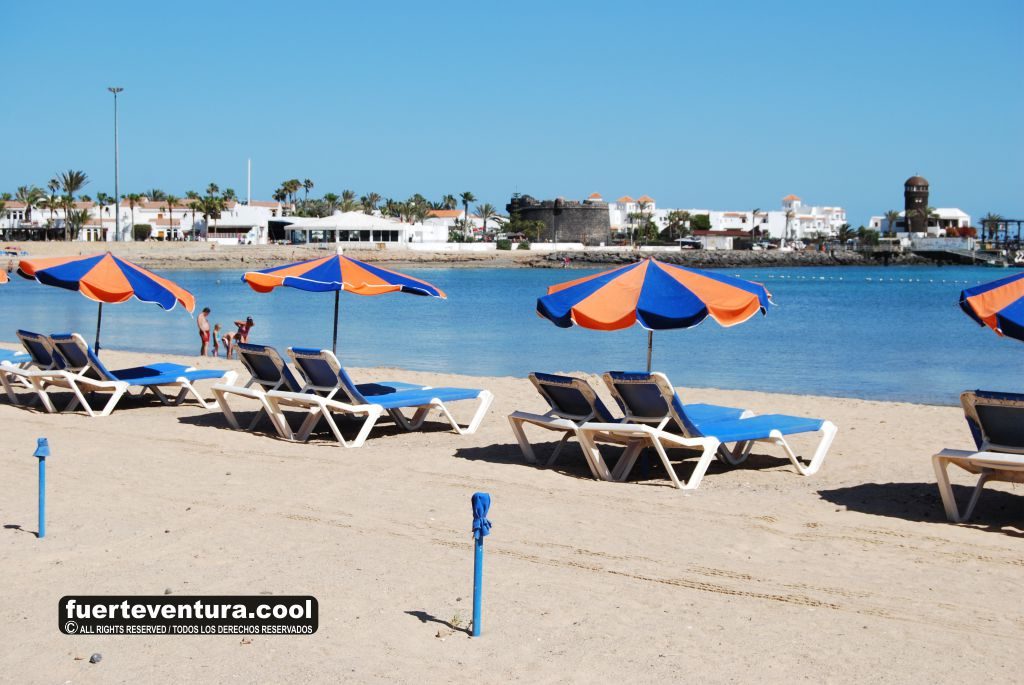
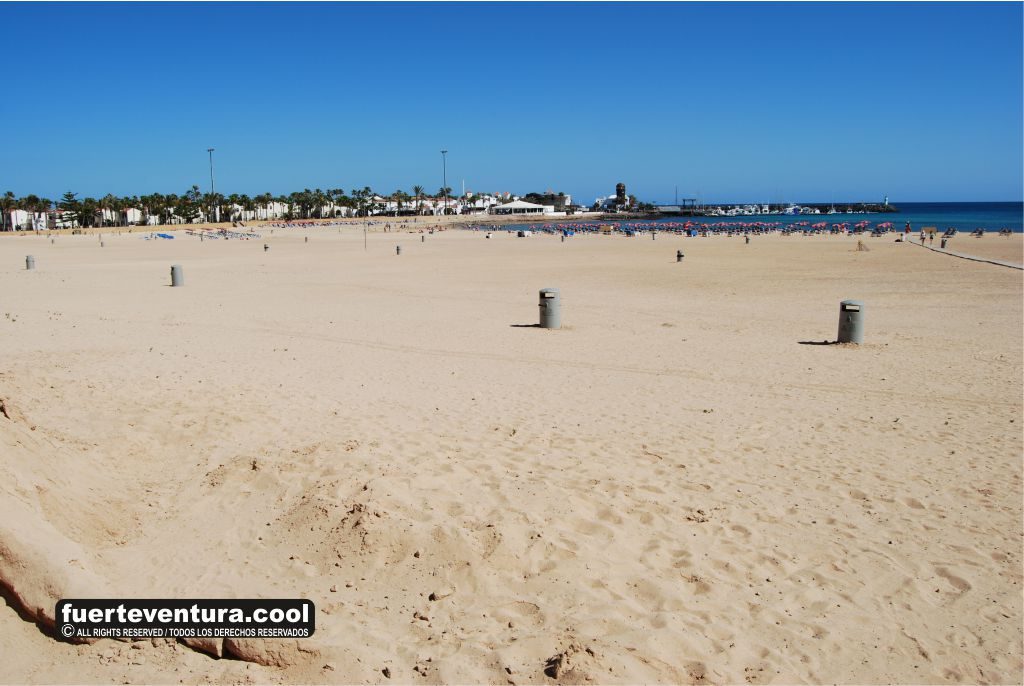
  • Caleta de Fuste Beach in El Castillo

    El Castillo Beach in Caleta de Fuste, Fuerteventura: A Complete Visitor’s Guide

    Introduction

    El Castillo Beach, also known as Caleta de Fuste Beach, is one of the most popular coastal destinations in Fuerteventura. Its golden sand, tranquil waters, and strategic location make it an ideal spot for relaxation and various water activities. If you’re planning a trip to the island, this guide provides all the information you need to make the most of your visit to this wonderful beach.


    History and Cultural Context

    The beach takes its name from the nearby Castillo de San Buenaventura, an 18th-century fortress built to protect the coast from pirate attacks. This castle is a historical landmark in Caleta de Fuste and a testament to the island’s defensive past. Today, the area has evolved into a major tourist destination that attracts visitors from all over the world.


    Location and How to Get There

    El Castillo Beach is located in the town of Caleta de Fuste, on the eastern coast of Fuerteventura, just a 10-minute drive from the island’s airport.

    Transportation Options:

    • Car: Easily accessible via the FV-2 road, with nearby parking available.
    • Bus: Several routes connect Caleta de Fuste with other parts of the island.
    • Taxi: A convenient option for those traveling from the airport or nearby towns.

    Detailed Description of the Beach

    El Castillo Beach stretches approximately 600 meters and has a protected bay shape, ensuring calm and safe waters. The fine golden sand and crystal-clear water make this location a paradise for sun and sea lovers. Additionally, a scenic promenade runs along the beach, perfect for a leisurely walk or enjoying the many restaurants offering stunning views.


    Recommended Activities and Experiences

    Water Sports

    • Windsurfing and Paddleboarding: Ideal for beginners due to the calm waters.
    • Diving and Snorkeling: The marine biodiversity in the area is impressive.
    • Kayaking: Kayaks are available for rent, allowing visitors to explore the coastline.

    Other Activities

    • Camel Rides: A unique experience for visitors.
    • Golf: Two 18-hole golf courses are located nearby.
    • Nightlife: Restaurants, bars, and live entertainment in Caleta de Fuste.

    Practical Tips for Visitors

    • Best time to visit: Year-round, though spring and autumn offer the most pleasant temperatures.
    • What to bring: Sunscreen, sunglasses, a hat, and light clothing.
    • Safety: A secure beach with calm waters, perfect for families.

    Frequently Asked Questions (FAQ)

    Is the beach suitable for children?

    Yes, its shallow, calm waters make it ideal for families with young children.

    Can sunbeds and umbrellas be rented?

    Yes, sunbeds and umbrellas are available for rent.

    Is the beach accessible for people with reduced mobility?

    Yes, it features ramps and wooden walkways.


    Visitor Reviews and Experiences

    Here are some of the best traveler reviews from TripAdvisor and Google Reviews:

    “A peaceful, clean beach with crystal-clear waters. Perfect for relaxing.” (Source)

    “Golden, fine sand with a charming promenade full of restaurants.” (Source)

    “A perfect destination for families and water sports enthusiasts.” (Source)

    (Read full reviews at the official links at the end of the article.)


    Connection to Other Nearby Attractions

    • San Buenaventura Castle: A historical monument just a short walk from the beach.
    • Salinas del Carmen: A museum and historical site dedicated to salt production.
    • Puerto Castillo: Ideal for boat excursions and sport fishing.

    Sustainable Tourism

    El Castillo Beach promotes responsible tourism. Visitors are encouraged not to leave waste, respect marine wildlife, and use biodegradable sunscreen to help preserve the coastal ecosystem.


    Plan Your Visit

    Don’t miss the chance to visit El Castillo Beach! Enjoy its golden sand, tranquil waters, and a variety of activities for all tastes. Start planning your trip today!

    Google map of the Castillo beach in Fuerteventura.

    With this map it will be very easy to find the beach in the Caleta de Fuste area

    Sources and References

    1. Barceló Fuerteventura Travel Guide
    2. Visit Fuerteventura
    3. Canary Islands Info
    4. Lonely Planet
    5. TripAdvisor – Reviews
    6. Google Reviews
  • The Castillo Beach

    Discover Playa del Castillo in El Cotillo, Fuerteventura: A Paradise to Explore

    Experience the unique Playa del Castillo in El Cotillo, Fuerteventura. Learn about its history, recommended activities, and tips for your visit. Explore it now!

    Introduction

    Playa del Castillo, located in El Cotillo on the northwest coast of Fuerteventura, is a place that combines breathtaking landscapes, water sports, and a rich cultural history. This hidden gem in the Canary Islands offers a relaxing atmosphere and a variety of experiences for tourists. If you’re looking for a destination to enjoy the sun, the waves, and tranquility, Playa del Castillo is the ideal place for you.

    History and Cultural Context

    El Cotillo has been a fishing settlement since ancient times, and its history is marked by its defense against pirate attacks. In the 18th century, during the conquest of Fuerteventura, the Castillo del Tostón was built as a fortress to protect the local port. This castle is now a major tourist attraction, hosting art exhibitions and offering panoramic views of the ocean and coast.

    The fortress’s construction reflects the strategic importance of El Cotillo during past centuries. Moreover, the area remains a place of great natural beauty, with cliffs protecting the beach from the winds, creating a more serene environment.

    Location and How to Get There

    Playa del Castillo is located on the northwest coast of Fuerteventura, about 1 km south of the village of El Cotillo. To reach it, simply follow the road south from the center of El Cotillo, where clear signs will guide you to the beach. Access is easy and convenient, making it an ideal choice for those looking to enjoy nature without logistical hassles.

    Detailed Description of the Location

    Playa del Castillo is a golden sandy beach approximately 200 meters long and 35 meters wide. Its crystal-clear waters, combined with the sand and rocks, create a picturesque landscape that attracts both tourists and locals. This beach is known for its ideal conditions for water sports such as surfing and windsurfing, thanks to the consistent waves and a protected environment.

    The cliffs surrounding the beach provide a natural shelter from the prevailing winds, making the area closer to the cliffs calmer and perfect for those seeking to relax and sunbathe.

    Recommended Activities and Experiences

    1. Surfing and Windsurfing

    Playa del Castillo is one of the most popular destinations for surfers and windsurfers in Fuerteventura. The waves are suitable for both beginners and experienced surfers. If you’ve never tried these sports, there are several local schools offering lessons and equipment rentals.

    2. Nature Watching

    The surroundings of the beach are perfect for hiking and birdwatching. The nearby cliffs and rock formations provide a perfect refuge for various seabird species. Additionally, the natural landscape of the area is an excellent place for photography.

    3. Visit the Castillo del Tostón

    Located just a short distance from the beach, the Castillo del Tostón is a historic structure that offers a glimpse into the island’s past. Besides its historical value, the castle offers spectacular views of the ocean and the coastline. It currently hosts contemporary art exhibitions and other cultural activities.

    Practical Tips for Visitors

    • Best Time to Visit: Although Playa del Castillo is attractive year-round, spring and autumn are the best times to visit, as temperatures are pleasant, and there are fewer tourists. During the summer, the wind can be more intense, which is ideal for those looking to practice water sports.
    • What to Bring: Be sure to bring sunscreen, sunglasses, and a hat, as the sun can be quite strong. It’s also recommended to wear appropriate footwear for walking on the rocks and sand.
    • Safety: The beach is safe, but the currents can be strong. It’s important to stay alert to sea conditions and follow the recommendations of local lifeguards.

    Visitor Reviews and Experiences

    Tourist reviews highlight the natural beauty of the beach and the tranquility of the surroundings. Here are some standout quotes:

    • “A perfect place to relax and enjoy the sea. The views are stunning.”
    • “Ideal for surfing, with waves suitable for all levels.”
    • “The view from Castillo del Tostón is breathtaking, especially at sunset.”
    • “A peaceful beach with crystal-clear waters, perfect for a day of rest.”
    • “Great for families looking for a quiet spot to enjoy the sun.”
    • “Ideal for water sports enthusiasts. The wind is perfect for windsurfing.”
    • “The castle is a must-see for those who want to learn more about the island’s history.”
    • “A perfect destination to disconnect and enjoy nature at its purest.”
    • “The beach is very peaceful, and the sand is perfect for walking barefoot.”
    • “The waters are ideal for snorkeling, with excellent visibility.”

    Fun Facts and Little-Known Details

    • The Name of the Beach: The name “Playa del Castillo” comes from its proximity to Castillo del Tostón, an important landmark in the area.
    • Piedra Playa: The beach is also known as Piedra Playa due to the large rocks that adorn the shore. These rocks, in addition to offering a picturesque landscape, are an excellent point for taking photos.
    • Environmental Preservation: Fuerteventura is known for its commitment to environmental preservation, and Playa del Castillo is no exception. The area is protected by conservation laws to keep its natural beauty intact.

    Connection with Other Nearby Points of Interest

    • Playa de la Concha: This beach, located north of El Cotillo, is famous for its calm waters and is perfect for families with young children. It is an excellent spot for a relaxing day by the sea.
    • Faro del Tostón: Just a few minutes from the castle, the Faro del Tostón offers spectacular views and houses the Museum of Traditional Fishing, where you can learn more about Fuerteventura’s maritime history.

    Popular Questions:

    • What to do at Playa del Castillo in Fuerteventura?
    • What are the best tips for visiting Playa del Castillo in El Cotillo?

    Don’t miss the chance to enjoy a unique experience at Playa del Castillo in El Cotillo, Fuerteventura. Plan your visit today and discover everything this beautiful destination has to offer. An unforgettable experience awaits you!

    Google map of the Castillo beach in Fuerteventura.

    Sources and References

  • Cofete beach in Jandia

    Playa de Cofete in Fuerteventura: A Natural Paradise to Discover

    Discover Playa de Cofete in Fuerteventura, a virgin paradise surrounded by stunning landscapes and unique activities. Plan your visit today and experience all it has to offer!


    Introduction

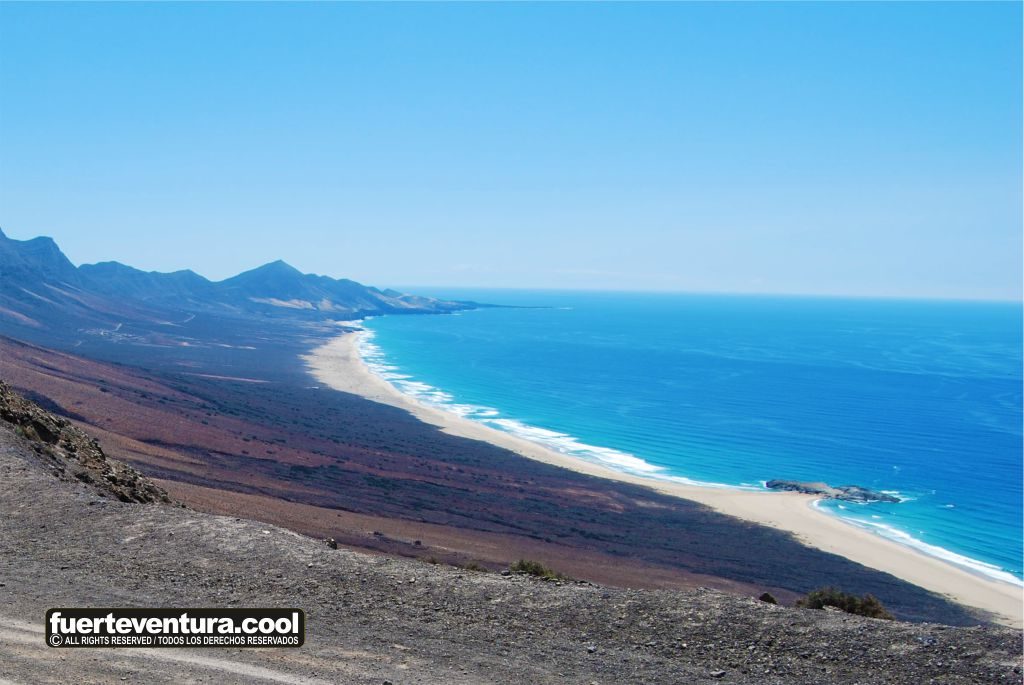
    Playa de Cofete, located in the Jandía Peninsula in Fuerteventura, is a true natural gem that few tourists have had the privilege of discovering. With its impressive 14-kilometer stretch of golden sand and rugged landscapes surrounded by mountains, Cofete stands as a unique destination for those seeking to escape the crowds and connect with nature in its purest form. Despite the challenges of access, the beach has become one of the most fascinating spots on the island for those looking for adventure, beauty, and tranquility.


    History and Cultural Context

    The history of Cofete is closely tied to the lives of the first settlers of the Jandía Peninsula. In the early 19th century, a group of 28 families settled in this remote area, primarily engaging in agriculture, livestock, and fishing. The community, which lived in self-sufficiency, developed a symbiotic relationship with the harsh natural environment around them. Over time, Cofete has retained its rural character, preserving traditions and customs that are still reflected in local life.


    Exact Location and How to Get There

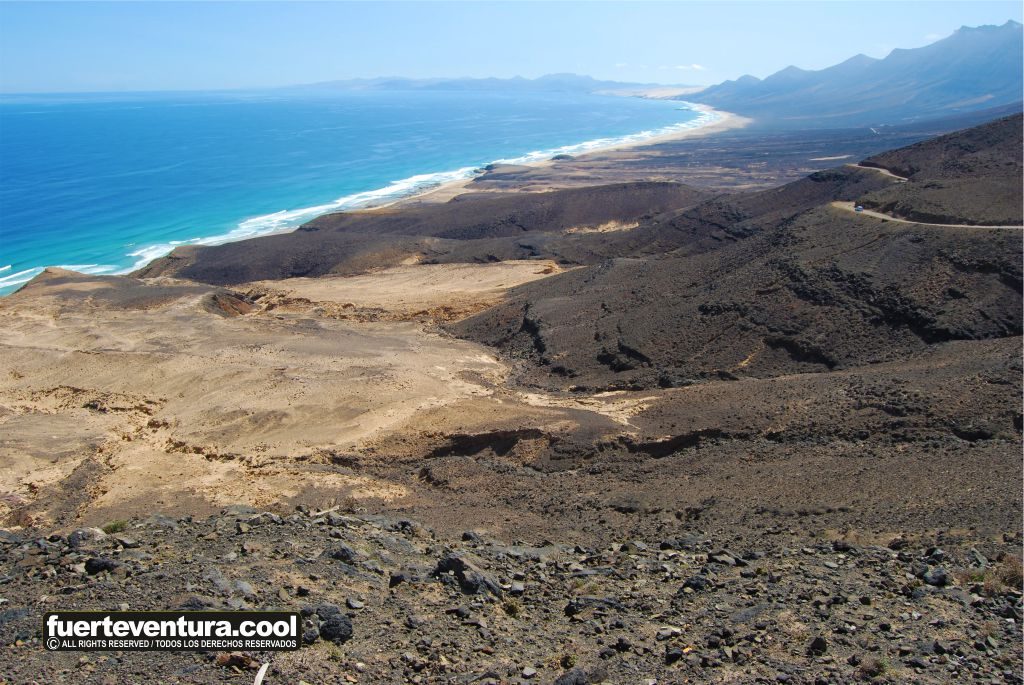
    Playa de Cofete is located in the south of Fuerteventura, within the Jandía Natural Park. To get there from Morro Jable, take the FV-2 road towards Punta de Jandía. After about 11 kilometers, you’ll reach the Cofete viewpoint, where you can enjoy spectacular views of the beach and its surroundings. From the viewpoint, a dirt road of about 8 kilometers will take you directly to the beach. It is recommended to access this area with an off-road vehicle due to the condition of the terrain, especially after rainfall.

    Detailed Description of the Location

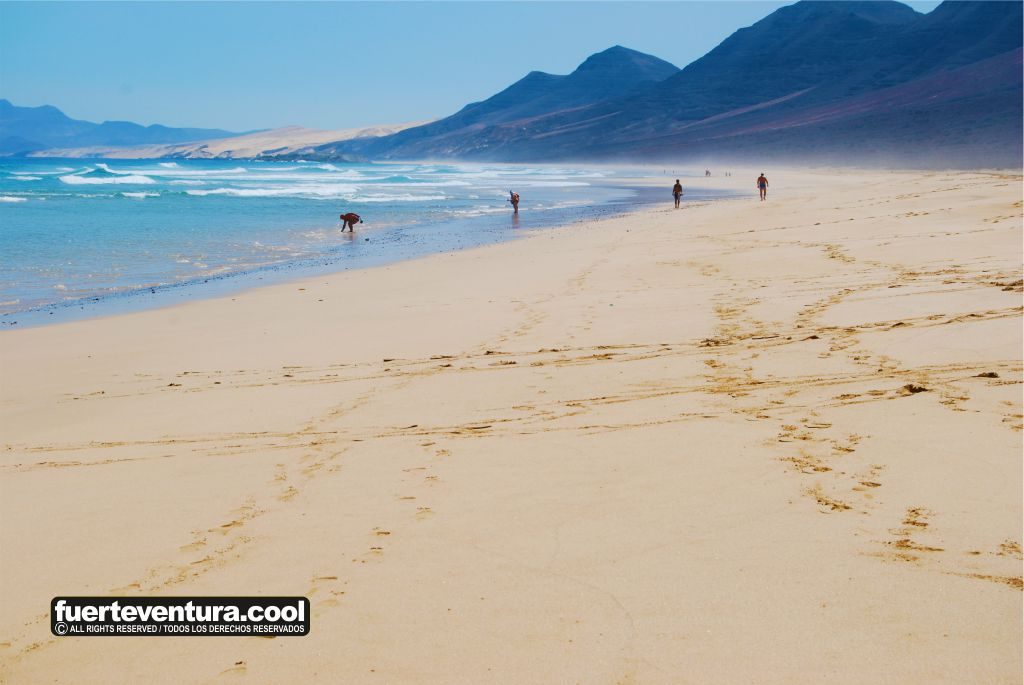
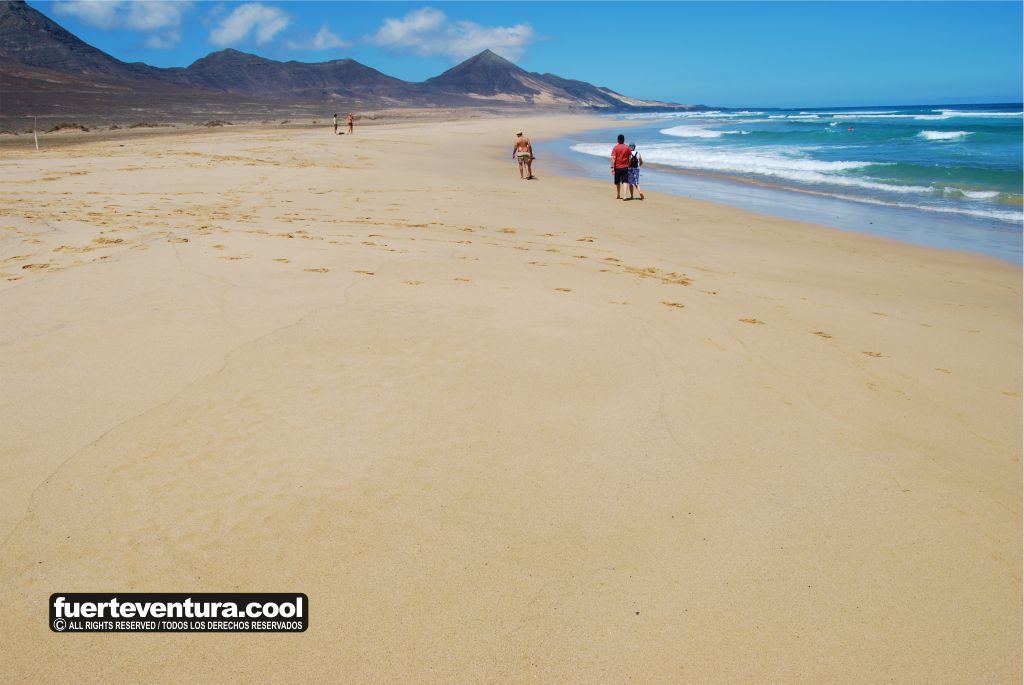
    Playa de Cofete stretches for 14 kilometers of golden sand, flanked by the Jandía mountains. The landscape here is wild and rugged, with large waves and strong currents that make swimming dangerous. However, the beach is perfect for long walks, nature observation, and photography. The combination of the beach’s desolation with the imposing mountain backdrop creates a unique and spectacular atmosphere. The serenity of the place is another of its great attractions, making Cofete one of the most peaceful destinations in Fuerteventura.


    Recommended Activities and Experiences

    1. Hiking: The surroundings of Cofete are ideal for exploring on foot. The mountainous terrain offers several trails that provide breathtaking views of the beach and its surroundings. A popular trail leads to the Faro de Jandía, located at the southern tip of the island.
    2. Photography: The scenic beauty of Cofete is perfect for photography lovers. The dunes, mountains, and ocean waves provide unique opportunities to capture the essence of virgin nature.
    3. Wildlife Observation: The area is home to a variety of species, especially birds like the Canary bustard, an iconic bird of the Canary Islands. Reptiles such as the Majorero lizard, typical of Fuerteventura, can also be spotted.

    Practical Tips for Visitors

    • Best Time to Visit: Spring and autumn are the best times to visit Playa de Cofete. During these months, the temperatures are milder, allowing for outdoor activities without the extreme heat of summer or the strong winds of winter.
    • What to Bring: Due to the conditions of the area, it is essential to bring water, sunscreen, proper footwear for walking on uneven terrain, and lightweight but warm clothing, as temperatures can change quickly.
    • Safety: The waters of Cofete are dangerous for swimming due to the strong waves and currents. If you choose to enjoy the beach, it is safer to walk along the shore or simply relax on the sand. Additionally, the access roads are dirt paths, so it is advisable to use an off-road vehicle.

    Visitor Reviews and Experiences

    The experiences of tourists who have visited Playa de Cofete are overwhelmingly positive. Here are some standout reviews:

    1. “The most beautiful beach in Fuerteventura. Wild, with many kilometers of length, huge waves, and tranquility. It’s like being at the end of the world.” — TripAdvisor (Source)
    2. “One of the largest virgin beaches I’ve ever seen. Not ideal for swimming due to the waves, but the area makes you feel like you’re at the end of the world.” — TripAdvisor (Source)
    3. “The beach is breathtaking, it’s a place every nature lover should visit! The peace and tranquility are absolute.” — Google Reviews (Source)

    Curiosities, Legends, or Little-Known Facts

    The Villa Winter, located near Cofete, has fueled many legends over the years. Some theories claim that the villa was used by the Nazis during World War II, but there is no evidence to support this idea. The villa was built by the German engineer Gustav Winter in 1946 as a personal refuge and not as a secret military base. Today, it remains a mysterious place full of history and rumors.


    Connection to Other Nearby Points of Interest

    1. Cofete Viewpoint: From this observation point, you can enjoy spectacular views of the beach, mountains, and the Atlantic Ocean.
    2. Punta de Jandía: At the southern tip of the island, this location is home to the Jandía Lighthouse, a perfect spot to enjoy panoramic views.
    3. Morro Jable: Just a few kilometers from Cofete, Morro Jable is a picturesque coastal village offering a relaxed atmosphere, beautiful beaches, restaurants, and shops.

    Popular Questions:

    • What to do in Playa de Cofete in Fuerteventura?
      It is recommended to go hiking, photography, and enjoy the natural scenery.
    • What are the best tips for visiting Playa de Cofete in Fuerteventura?
      Bring water, sunscreen, and wear appropriate footwear for uneven terrain. Swimming is not recommended due to strong currents.

    Don’t miss the chance to experience Playa de Cofete in Fuerteventura. Plan your visit today and discover everything this virgin paradise has to offer!

    Google map where to find Cofete beach.

    Sources and References

    1. Pájara.es
    2. Fuerteventura.es
    3. Minube.com
    4. TripAdvisor
    5. Google Reviews
    6. Casawintercofete.com
  • Popcorn Beach in Fuerteventura: A Unique Natural Treasure

    Discover Popcorn Beach in Fuerteventura, a one-of-a-kind beach where fossilized algae create a popcorn-like appearance.

    Playa del Bajo de la Burra

    Introduction

    Located on the northern coast of Fuerteventura, in the Canary Islands, Popcorn Beach is a natural phenomenon that has captured the attention of travelers and photographers from around the world. Its name comes from the unique appearance of its “sand,” made up of small fossilized algae that resemble popcorn. This spot offers an unparalleled visual and sensory experience, inviting visitors to explore its beauty and uniqueness.

    History and Cultural Context

    Officially known as Playa del Bajo de la Burra or Caleta del Barco, Popcorn Beach has been a point of interest for locals and tourists for years. However, its popularity skyrocketed in recent years thanks to social media, where images of its peculiar “sand” went viral. This phenomenon has highlighted the importance of preserving this unique ecosystem and has encouraged awareness campaigns for its conservation.

    Exact Location and How to Get There

    Popcorn Beach is located on the northern coast of Fuerteventura, in the municipality of La Oliva, between the towns of Corralejo and Majanicho. To get there by car from Corralejo, take the FV-1 road towards El Cotillo and then turn off towards Majanicho. From there, a 4.5 km dirt road leads directly to the beach. Due to road conditions, a four-wheel-drive vehicle is recommended.

    Detailed Description of the Place

    Upon arriving at Popcorn Beach, visitors are greeted by a coastline approximately 500 meters long, where the white “sand” is composed of small fossilized algae called rhodoliths. These algae, originally red, turn white over time, and as they are carried by the waves, they take on a shape that resembles popcorn. The surroundings are framed by a volcanic landscape, creating a striking contrast with the softness of the algae on the beach.

    Recommended Activities and Experiences

    • Photography: The beach’s uniqueness makes it an ideal location for photo sessions, especially at sunrise or sunset when the light enhances the textures and colors of the environment.
    • Nature Observation: The area is great for birdwatching and spotting other local species.
    • Coastal Walks: Walking along the beach and its surroundings allows visitors to appreciate the natural beauty and tranquility of the location.

    Practical Tips for Visitors

    • Best Time to Visit: Spring and autumn offer pleasant temperatures and less wind, making them ideal for enjoying the beach.
    • What to Bring: It is advisable to wear appropriate footwear for walking on uneven surfaces, sunscreen, water, and food, as the beach has no facilities.
    • Safety: Due to strong currents and rocky shores, swimming is not recommended at this beach.
    • Preservation: Taking the fossilized algae as a souvenir is strictly prohibited. These formations take centuries to develop and are essential to the local ecosystem.

    Frequently Asked Questions (FAQ)

    Why is the beach called Popcorn Beach?
    It gets its name from the appearance of the fossilized algae covering the shore, which closely resemble popcorn.

    Is it possible to swim at Popcorn Beach?
    Swimming is not recommended due to strong currents and rocky terrain.

    Are there any facilities at the beach?
    The beach is quite remote and lacks amenities such as restrooms or restaurants.

    Visitor Reviews and Experiences

    Visitors highlight the uniqueness and beauty of Popcorn Beach. A review on TripAdvisor states: “A beautiful place and, I believe, unique in the world. It’s a curious sight that surprises you and is well worth seeing.” However, many reviews also note the lack of facilities and advise bringing supplies. Another visitor comments: “The road to get here is not paved…”

    Curiosities, Legends, and Lesser-Known Facts

    The beach is located near Cueva del Dinero (Money Cave), a site that, according to legend, hides a pirate treasure. This story has been passed down orally since the 19th century and has attracted treasure hunters to the area.

    Connections to Nearby Attractions

    • Majanicho: A picturesque fishing village nearby, ideal for exploring and enjoying local cuisine.
    • El Cotillo: Known for its crystal-clear waters and relaxed atmosphere, this town is a great spot to spend the day.
    • Corralejo Dunes Natural Park: A short drive away, this stunning landscape of rolling sand dunes is perfect for hiking and nature lovers.

    Sources and References

    1. Visit Fuerteventura – Popcorn Beach
    2. JP In Fuerteventura – Popcorn Beach
    3. TripAdvisor – Popcorn Beach
    4. Fuerteventura Activa – Popcorn Beach