Discover Playa de Jarubio in Fuerteventura: A Natural Paradise Waiting to Be Explored
Playa de Jarubio, also known as Playa de Jarugo, is a hidden gem on Fuerteventura’s west coast. With its unspoiled surroundings and stunning landscapes, it offers a unique experience for nature lovers and those seeking tranquility.
General Introduction
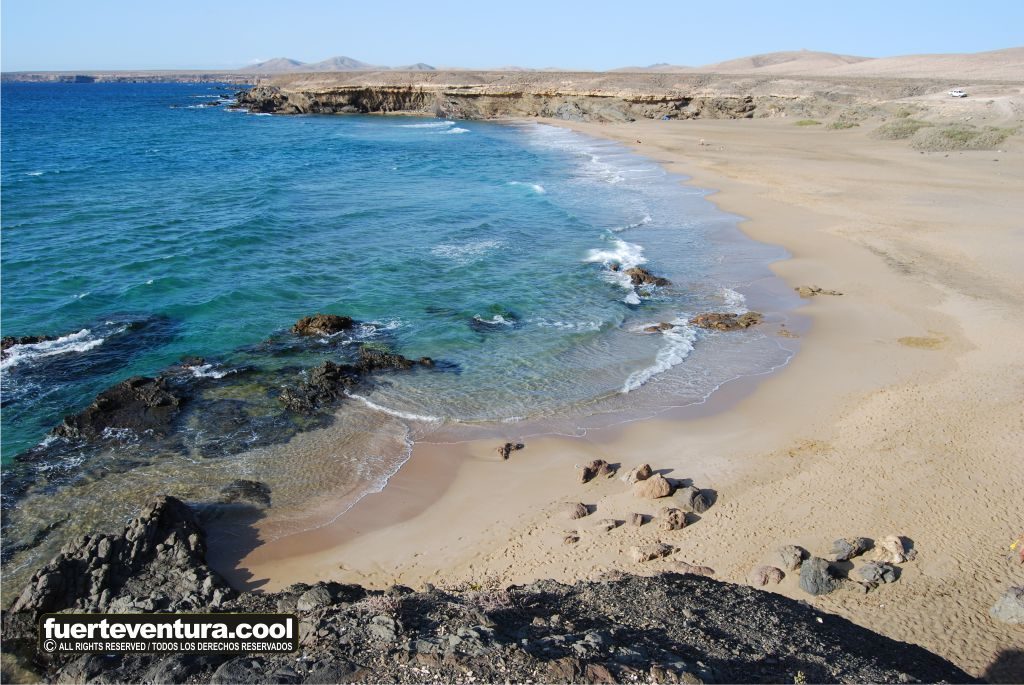
Located on the western coast of Fuerteventura, Playa de Jarubio, or Playa de Jarugo, is a haven of serenity and natural beauty. Far from the hustle and bustle of tourist hotspots, this beach provides visitors with a pristine environment where the sound of the sea and the wind take center stage. With its golden sand and crystal-clear waters, it is the perfect place to disconnect and immerse yourself in nature in its purest form.
History and Cultural Context
Although Playa de Jarubio is not widely known in mainstream tourist circuits, it has long been cherished by locals for its tranquility and beauty. The absence of urban development in the area has preserved its natural state, making it a living testament to Fuerteventura’s untouched coastlines. Additionally, near the beach, you can find a gambuesa—a circular stone structure traditionally used for gathering and managing livestock—reflecting the island’s rich pastoral heritage.
Exact Location and How to Get There
Playa de Jarubio is located in the municipality of Puerto del Rosario, between the village of Los Molinos and the cliffs of Tindaya. To reach the beach:
- From Tindaya: Take a well-maintained dirt road that stretches approximately 8 kilometers to the coast. A suitable vehicle for unpaved roads is recommended.
- From Los Molinos: Follow a route that connects to the beach via rural paths.
Visitors should bring their own supplies, as the beach has no tourist facilities.
Detailed Description of the Location
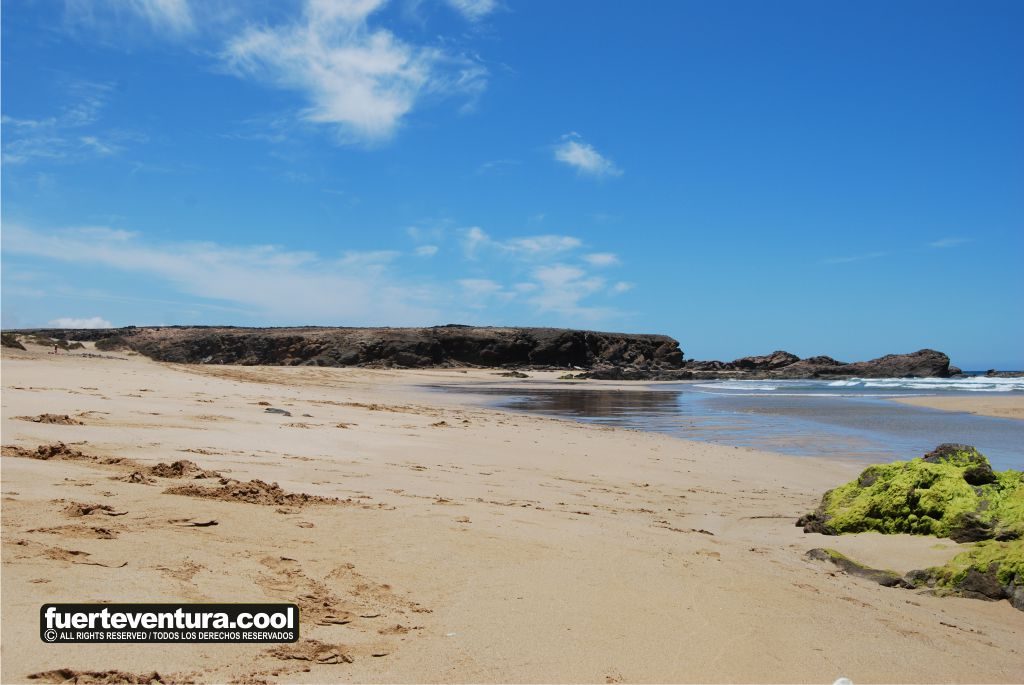
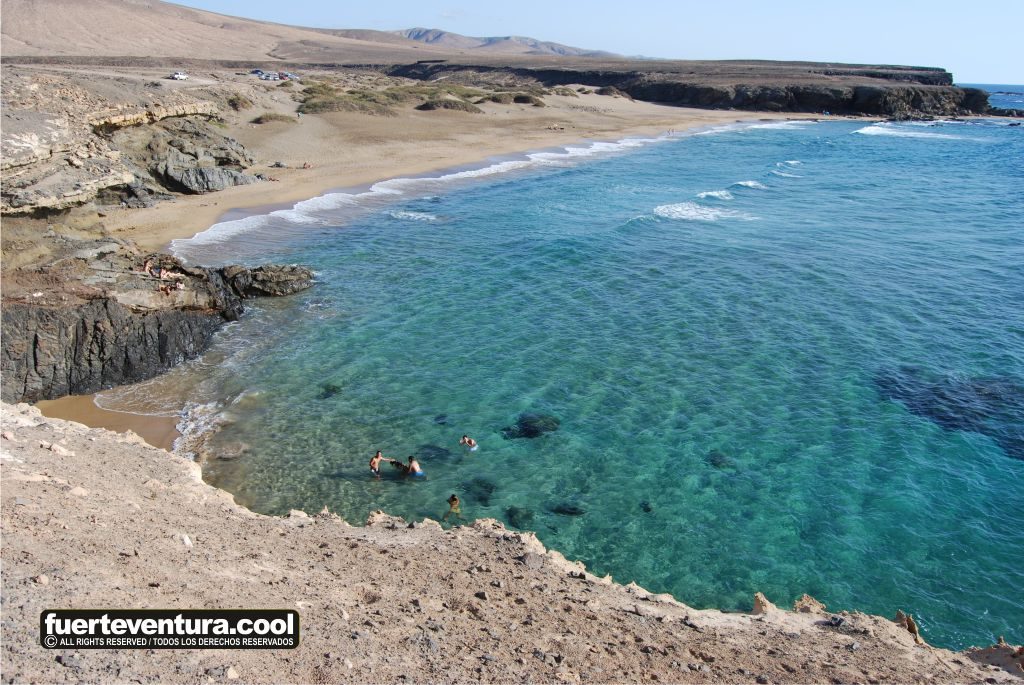
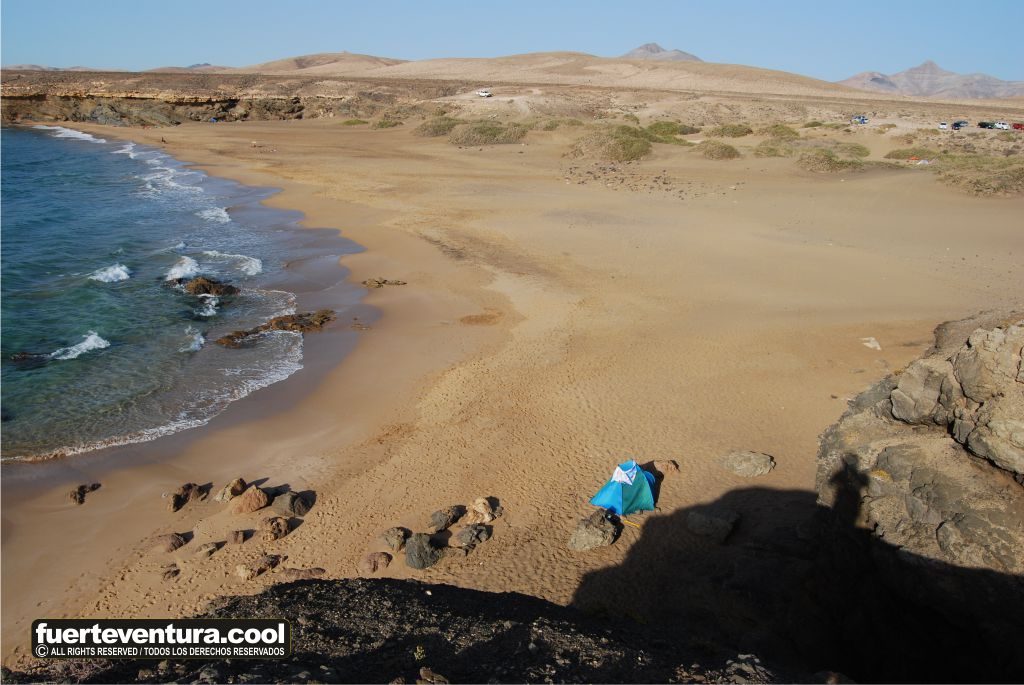
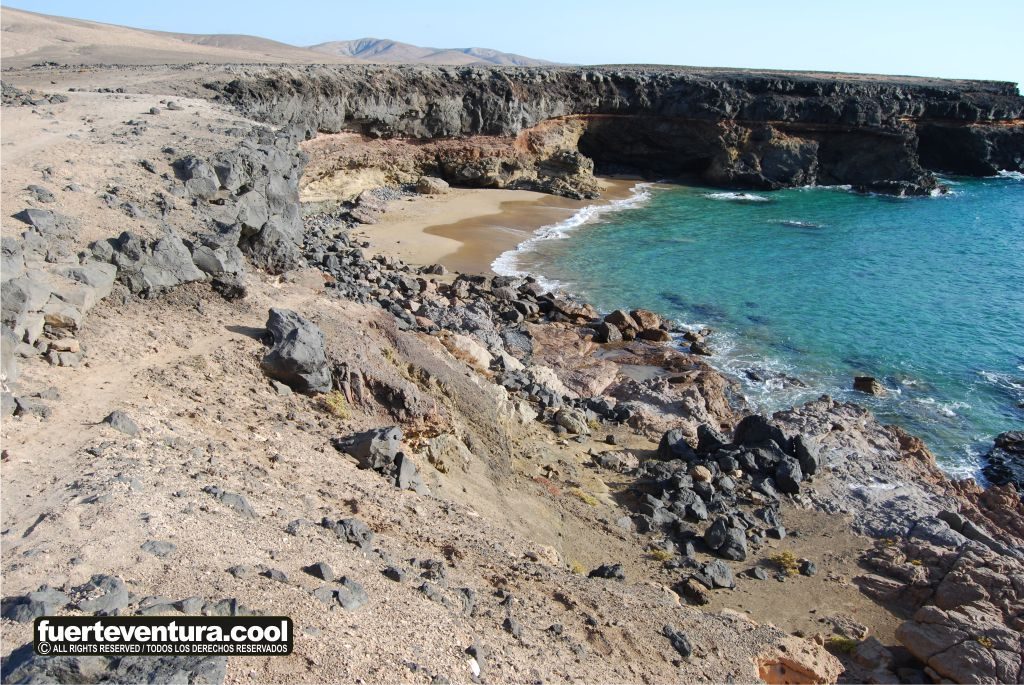
Spanning approximately 280 meters in length and 90 meters in width, Playa de Jarubio features fine golden sand and is framed by cliffs that enhance its beauty while providing a sheltered atmosphere. Due to its location on the west coast, the beach often experiences strong waves and currents, so caution is advised when swimming. This untouched natural environment is home to a variety of native flora and fauna, offering visitors an authentic experience in direct contact with nature.
Recommended Activities
Although Playa de Jarubio does not have tourist facilities, its surroundings offer several activities for nature enthusiasts:
- Surfing: The beach’s wave conditions make it a favored spot for surfers seeking challenging waters.
- Hiking: The surrounding areas feature trails that allow visitors to explore the island’s volcanic landscapes and unique geological formations.
- Wildlife Watching: The area is ideal for spotting native birds and other species characteristic of Fuerteventura.
It is essential to remember that, due to strong currents and waves, swimmers should exercise caution and avoid venturing too far from the shore.
Playa de Jarubio is an ideal destination for those looking to disconnect and enjoy nature in its purest form, far from the crowds and in a truly unspoiled setting.
Practical Tips for Visitors
Best Time to Visit
Playa de Jarubio, located on Fuerteventura’s west coast, enjoys pleasant weather year-round. However, spring and autumn are particularly recommended due to moderate temperatures and gentler winds, making outdoor activities more enjoyable.
What to Bring
- Sun Protection: Given the island’s intense sun, it is essential to bring high-factor sunscreen, sunglasses, and a hat or cap.
- Water and Food: The beach has no services or nearby establishments, so visitors should bring enough drinking water and food for the day.
- Appropriate Footwear: To explore the surroundings and access the beach via dirt roads, comfortable and sturdy footwear is advisable.
- Equipment for Activities: If you plan to surf or engage in other water activities, be sure to bring your own gear, as there are no rental options in the area.
Beach Safety
- Waves and Currents: Playa de Jarubio is known for its strong waves and currents, which can make swimming dangerous. Extreme caution is recommended, and inexperienced swimmers should avoid entering the water.
- No Lifeguard Service: There are no lifeguards on duty, so visitors should always be vigilant and avoid swimming alone.
- Access and Terrain: The beach is reached via dirt roads that may vary in condition. It is advisable to use a suitable vehicle for rough terrain and drive carefully.
Frequently Asked Questions (FAQ)
Is Playa de Jarubio safe for swimming?
Due to strong waves and currents, caution is advised. Only experienced swimmers should consider entering the water, and always with extreme care.
Are there any facilities or services at the beach?
No, the beach has no facilities such as restrooms, showers, or restaurants. Visitors must bring their own supplies.
Is the beach accessible for people with reduced mobility?
Access is via dirt roads, and the beach lacks adapted infrastructure, which may make visits difficult for those with mobility challenges.
Is camping allowed on the beach?
There is no official information allowing camping at Playa de Jarubio. Visitors are advised to check with local authorities before planning an overnight stay.
Is the beach suitable for families with children?
Due to sea conditions and the lack of services, it may not be the most suitable option for families with young children.
Visitor Reviews and Experiences
Here are some highlighted reviews from visitors to Playa de Jarubio:
- “A wonderful untouched beach, perfect for disconnecting and enjoying nature in its purest form.”
- “The access is a bit tricky, but the tranquility and breathtaking views make it worth it.”
- “Ideal for surfers looking for challenging waves away from the crowds.”
- “There are no services, so come prepared with everything you need for the day.”
- “The combination of cliffs and golden sand creates a spectacular landscape.”
- “A perfect spot for photography, especially at sunset.”
- “I recommend wearing proper footwear for walking along the access trails.”
- “The beach is clean and remains in its natural state please take your trash with you.”
- “Although the road is unpaved, a regular car can make it if driven carefully.”
- “A hidden gem in Fuerteventura that’s well worth discovering.”
Curiosities and Lesser-Known Facts
- Unique Geological Formations: The beach is surrounded by cliffs and rock formations shaped by centuries of erosion, offering an impressive geological landscape.
- Biodiversity: Despite its arid appearance, the area is home to various native bird and plant species adapted to coastal conditions.
- Local History: The beach has traditionally been used by local fishermen and is a prime example of Fuerteventura’s untouched coastline.
Connections to Nearby Places of Interest
- Los Molinos: Just a few kilometers south, this small fishing village offers an authentic glimpse of local life and features a quiet beach and seafood restaurants.
- Tindaya: To the east lies the village of Tindaya, known for Mount Tindaya, considered sacred by the island’s indigenous people and an excellent spot for hiking.
- Puerto del Rosario: The island’s capital, located southeast of the beach, is a great option for finding services, restaurants, and cultural activities after visiting Playa de Jarubio.
- El Cotillo: Situated to the north, El Cotillo is a popular destination known for its turquoise waters and relaxed atmosphere. It’s a great contrast to Jarubio, especially if you’re looking for a mix of untouched beach and a spot with more amenities.
- Betancuria: If history interests you, consider a trip to Betancuria, the island’s former capital, known for its colonial architecture and historical significance.
Here they have a small cove further south of the main beach, it is easy to get to when the tide is low and you can walk along the coast, you can also go up to a small plateau and go down from there.
Google map of the Jarubio or Jarugo beach in Fuerteventura.
Sources Used
Below are the links to the sources used in this article:
- Google Reviews – Playa de Jarubio (Accessible via Google Maps)
- Traveler forums and specialized blogs (Information sourced from Lonely Planet, surf forums, and traveler experiences)
- tripadvisor.es
- discoverpuerto.es
- fuerteventuraenimagenes.com
- visitfuerteventura.com