Fuerteventura’s museums are must-see places to understand the cultural roots of the island.
Morro Velosa Viewpoint
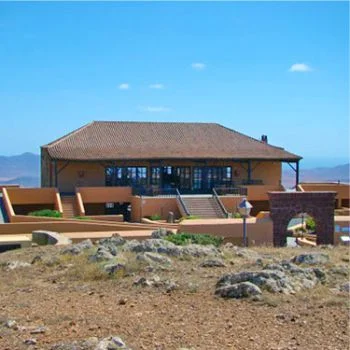
Located in the heart of Fuerteventura, the Morro Velosa Viewpoint is a masterpiece designed by the renowned artist César Manrique. Perched at over 600 metres above sea level, it offers breathtaking panoramic views of the island’s rolling hills, vast plains, and the Atlantic Ocean stretching into the horizon. Its architectural design blends harmoniously with the landscape and houses an exhibition explaining the geological and natural evolution of the island. A must-visit spot for those seeking to experience Fuerteventura’s unique scenery.
Atalayita Interpretation Centre
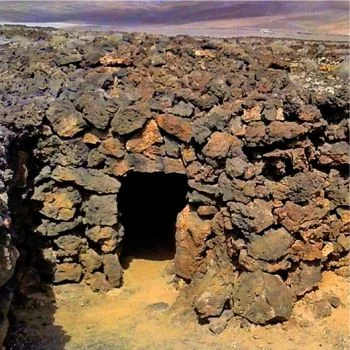
This archaeological site takes visitors on a journey back in time to discover how the majos, Fuerteventura’s first inhabitants, lived. Located in the Pozo Negro Valley, the Atalayita Settlement preserves original stone structures that reveal the way of life of this pre-Hispanic culture. Informative panels and reconstructions provide insight into their social organisation, survival methods, and relationship with the volcanic environment.
Salt Museum
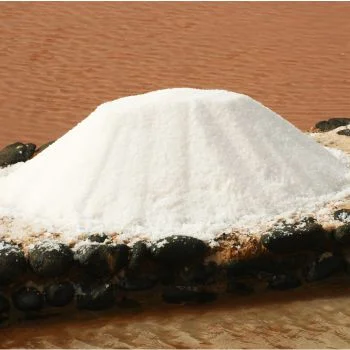
Located in the Salinas del Carmen, this museum highlights the significance of salt production in Fuerteventura. Through an interactive tour, the Salt Museum explains the traditional harvesting process, its historical value, and its impact on the island’s economy. Outside, visitors can explore the still-functioning salt pans and watch traditional “salineros” at work. The museum also features an exhibition on the area’s marine life, including an impressive whale skeleton displayed in the open air.
Doctor Mena House Museum
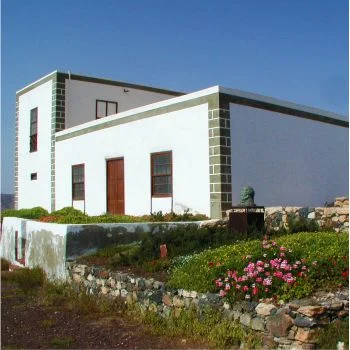
Situated in La Ampuyenta, this museum pays tribute to Dr Tomás Mena, a distinguished figure in Fuerteventura’s history who dedicated his life to medicine and philanthropy in the 19th century. The Doctor Mena House Museum preserves furniture, documents, and medical instruments from the era, offering a unique insight into the island’s healthcare history. Its traditional architecture and rural setting make this visit both a cultural and historical experience.
Antigua Windmill and Cactus Garden
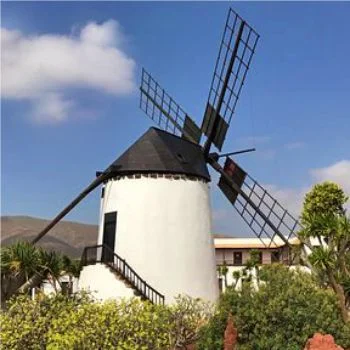
This restored windmill is set within a charming garden featuring a variety of native and exotic cacti. The Antigua Windmill provides an opportunity to learn about the grain milling process and the crucial role of windmills in Fuerteventura’s economy. The site also includes an exhibition of local crafts, showcasing pottery, embroidery, and basket weaving. It’s the perfect place to explore the island’s agricultural heritage while enjoying a stroll among fascinating plant species.
Betancuria Archaeological Museum
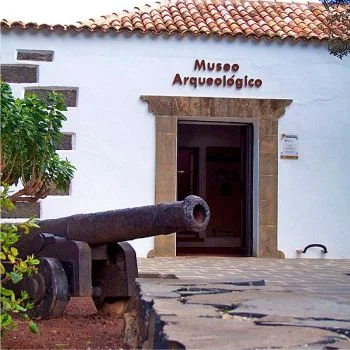
Housed in the former Franciscan convent of San Buenaventura, the Betancuria Archaeological Museum is the perfect place to explore Fuerteventura’s ancient history. Through interactive exhibits, original artefacts, and reconstructions, the museum offers a journey into the lives of the Mahos, the island’s first inhabitants. From tools and ceramics to skeletal remains and rock carvings, each item reveals fascinating details about their culture, customs, and adaptation to the island’s arid environment.
Unamuno House Museum
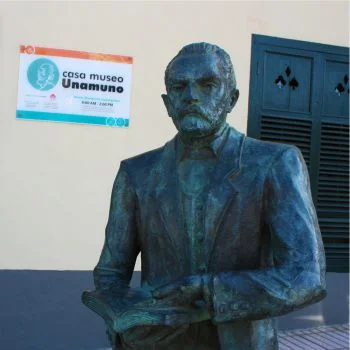
This historic house in Puerto del Rosario was the temporary home of writer and philosopher Miguel de Unamuno during his exile in 1924. The Unamuno House Museum preserves furniture, documents, and personal belongings of the author, offering visitors a glimpse into his legacy and his connection with the island. Through his letters and writings, visitors can understand how Fuerteventura influenced his thoughts and works, making this house an essential cultural landmark.
La Cilla Ecomuseum
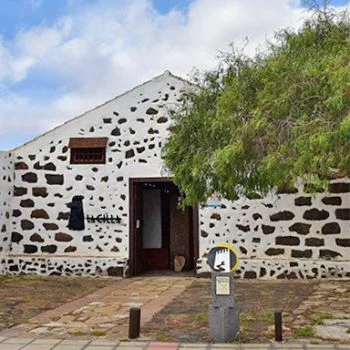
Located in La Oliva, the La Cilla Ecomuseum is a tribute to Fuerteventura’s agricultural traditions. Set in a former grain storehouse, the museum showcases the struggles of local farmers, their fight against water scarcity, and the traditional farming techniques they employed. Informative panels, ancient tools, and models illustrate how gofio and other agricultural products were vital for survival on the island. A must-visit for those wanting to understand the deep connection between the land and its people.
La Alcogida Ecomuseum
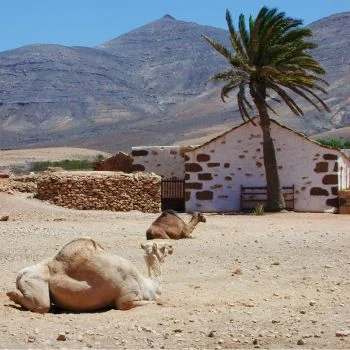
Located in Tefía, the La Alcogida Ecomuseum is a fascinating open-air museum that offers a step back in time to experience traditional rural life in Fuerteventura. This recreated Majorero settlement features stone houses with thatched roofs, showcasing the island’s typical architecture. Visitors can observe local artisans demonstrating traditional crafts such as pottery, weaving, and carpentry, while also learning about farming techniques and the hardships faced by early settlers. An immersive experience that highlights the close connection between the island’s people and its land.
Casa de los Coroneles

One of Fuerteventura’s most iconic buildings, the Casa de los Coroneles is a symbol of power and tradition. Built in the 18th century in La Oliva, this impressive mansion stands out for its colonial architecture and its history linked to the island’s military governors. Today, it serves as an art and cultural centre, allowing visitors to explore its spacious rooms, inner courtyards, and wooden balconies while discovering Fuerteventura’s aristocratic past.
Casa Alta de Tindaya
Located in the village of Tindaya, this unique two-storey house is a remarkable example of traditional Majorero architecture. The Casa Alta de Tindaya has been transformed into an interpretation centre that explores the geological and cultural history of the sacred mountain of Tindaya, a site of great archaeological value featuring ancient aboriginal rock engravings. A visit here offers insight into the significance of this mystical site in the worldview of Fuerteventura’s early inhabitants.
Casa de las Simonas
Located in Puerto del Rosario, the Casa de las Simonas is a beautiful example of traditional Majorero architecture, carefully restored to preserve its original essence. This cultural space offers a glimpse into everyday life in Fuerteventura in past centuries, showcasing furniture, household utensils, and decorative elements that reflect local customs. The house also hosts temporary exhibitions and cultural events, providing visitors with an engaging insight into the island’s history and artistic heritage.
Cueva del Llano
The Cueva del Llano, located in La Oliva, is one of Fuerteventura’s most fascinating volcanic formations. This lava tube, stretching over 600 metres, takes visitors deep into the island’s underground world. The cave is home to unique geological formations and an endemic species, the blind cave spider. The on-site interpretation centre provides detailed information about the cave’s formation, volcanic origins, and the fragile subterranean ecosystem, making it a must-visit for nature and geology enthusiasts.
Museum of Traditional Fishing
Located within the El Cotillo Lighthouse, the Museum of Traditional Fishing pays tribute to the fishermen of Fuerteventura and their deep connection with the sea. The museum features informative panels and exhibits explaining the evolution of fishing techniques on the island, the importance of marine conservation, and the role of fishing in the local economy. The lighthouse’s setting offers stunning ocean views, making it an ideal place to immerse yourself in Fuerteventura’s maritime culture while enjoying breathtaking coastal scenery.
Los Molinos Interpretation Centre
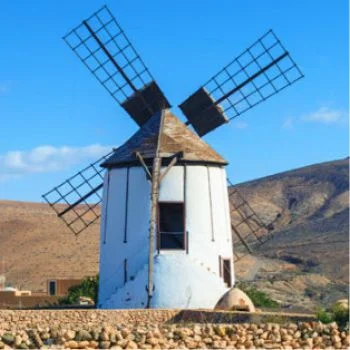
Situated in Tiscamanita, the Los Molinos Interpretation Centre is an essential stop for anyone interested in Fuerteventura’s milling history. This centre explores the grinding process, showcasing how windmills and tahonas (hand-operated mills) were used to produce gofio, a traditional roasted grain flour that has been a staple of the Majorero diet for centuries. Visitors can step inside a fully restored windmill and see its original mechanism in action, offering a hands-on experience of this vital part of the island’s heritage.
Majorero Cheese Museum
Located in Antigua, the Majorero Cheese Museum is a fascinating journey into the island’s cheese-making traditions. Through interactive exhibits, visitors can learn about the entire cheese production process, from goat breeding to artisanal cheesemaking. The museum also highlights the unique characteristics of Majorero cheese, the first Canarian cheese with a Protected Designation of Origin (PDO). The visit concludes with a chance to taste and purchase different varieties of this internationally acclaimed cheese.
Cultural and Heritage Complex of La Ampuyenta
Located in the peaceful village of La Ampuyenta, the Cultural and Heritage Complex of La Ampuyenta brings together several historic buildings that provide a comprehensive view of rural and religious life in Fuerteventura in past centuries. Among the highlights is the Ermita de San Pedro de Alcántara, with its impressive Mudejar-style ceiling, and the Doctor Mena House, showcasing the life of this esteemed Majorero doctor. A visit here offers a deep dive into the island’s heritage, architecture, and traditions.
Punta de Jandía Lighthouse
Situated at the southern tip of Fuerteventura, the Punta de Jandía Lighthouse is an iconic landmark offering spectacular views of the Atlantic Ocean and the Jandía Natural Reserve. In addition to serving as a navigational aid, the lighthouse features an interpretation centre where visitors can learn about the importance of navigation in the island’s history and the biodiversity of the surrounding area, home to marine species and migratory birds. A perfect destination for nature lovers and those seeking to explore the island’s remote beauty.
Tostón Tower
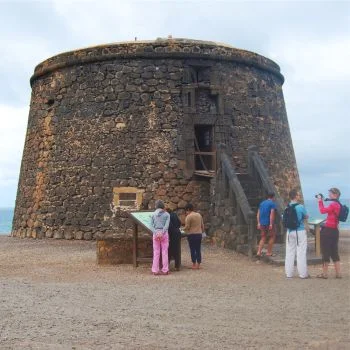
Built in the 18th century in El Cotillo, the Tostón Tower is a former defensive fortification designed to protect the coast from pirate attacks. With its robust circular structure, the tower now hosts an exhibition on the island’s military and maritime history. From the top of the tower, visitors can enjoy panoramic views of the ocean and the picturesque fishing village of El Cotillo. A must-see for history buffs and those interested in Fuerteventura’s defensive past.