This article contains the following sections:
- Majorero Cuisine
- Meat and Meat Products
- Fish and Seafood
- Bread, Gofio and Grains
- Cheese and Dairy
- Mojos, Sauces and Sides
- Traditional Sweets and Desserts
- Local Drinks and Liqueurs
- Local Food in Fuerteventura
- Gastronomic Tips
Majorero Cuisine: Authentic Flavours That Will Win You Over
When we think of Fuerteventura, it’s easy to picture its endless beaches, year-round sunshine, and landscapes that feel like another world. But this Canary Island also surprises—delightfully so—with the richness of its cuisine. The gastronomy of Fuerteventura is a blend of tradition, simplicity, and local produce that reflects the essence of a volcanic, arid land deeply connected to its people.
Here, you won’t find unnecessary extravagance or overly elaborate recipes. The secret lies in the quality of the ingredients and in cooking methods passed down through generations. From freshly caught fish to slow-roasted kid goat, from the famous Majorero cheese to toasted gofio, the island’s cuisine is a tribute to local ingredients, natural flavours, and island culture.
Fuerteventura’s dry, sunny climate favours the production of unique foods. The island is renowned for its goat herding, which yields one of Spain’s most prized cheeses—protected by a Designation of Origin. Fishing remains an important tradition too, and coastal towns like El Cotillo, Morro Jable and Corralejo serve up the catch of the day in simple yet exquisite ways.
No talk of Majorero cuisine would be complete without mentioning gofio, an ancient food that has been a staple of the Canarian diet for centuries. This roasted grain is used in countless dishes, from breakfast to desserts. Equally essential are the mojos—bold red or green sauces that accompany almost every meal, from the famous papas arrugadas (wrinkled potatoes) to meat or fish dishes.
For those with a sweet tooth, the island offers plenty of temptations too: traditional desserts like frangollo, quesillo or truchas de batata (sweet potato pastries), often made with natural ingredients like honey, almonds, or goat’s milk.
Tasting Fuerteventura’s cuisine is more than just a culinary experience—it’s a cultural one. Every dish reflects the islanders’ simple, generous, and welcoming nature. Eating here is another way to get to know the island, to connect with its unhurried pace and savour a history that lives on in every bite.
Whether it’s in a small family-run restaurant inland, a beachside chiringuito, or a local food fair, the flavours of Fuerteventura invite you to slow down, enjoy the moment, and discover that this island offers far more than just sun and sea.
Curious about which traditional dishes you simply can’t miss on your visit? Keep reading and let yourself be carried away by the authentic tastes of Majorero cuisine…
Meat and Meat Products: A Tradition Rooted in the Land
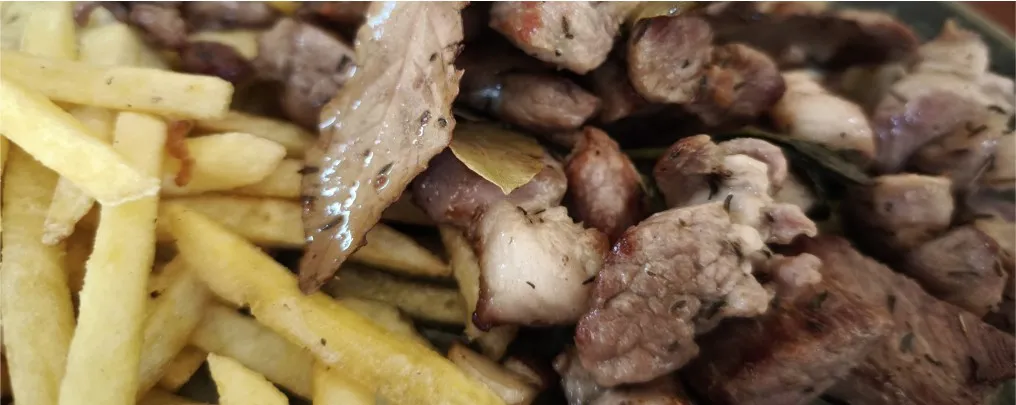
Meat plays a fundamental role in Fuerteventura’s gastronomy, especially in the rural inland areas, where livestock farming has been a way of life for centuries. On the island, the undisputed star is baifo—young goat—a delicacy that Majorero locals proudly prepare for celebrations and special occasions.
Oven-roasted baifo is a traditional recipe known for its rich flavour and tender texture. It is slowly cooked with garlic, white wine, bay leaves, and local spices until the meat becomes juicy on the inside and golden on the outside. It can also be served in hearty stews or alongside papas arrugadas and mojo picón, creating an irresistible combination for the palate.
Another widely loved dish is goat meat stew, a hearty and flavourful meal served either as a main course or as a tapa. The goat is simmered slowly with potatoes, peppers, onions, garlic, and herbs, resulting in a deeply savoury stew with a rich, melt-in-the-mouth texture. You’ll find it regularly on menus at local bars and restaurants—it’s one of those dishes that Majoreros wholeheartedly recommend to anyone who wants to eat “like a local.”
Rabbit in salmorejo also stands out—a classic Canarian dish with a strong presence in Fuerteventura. The meat is marinated in a mix of wine, garlic, paprika, bay leaf, and vinegar, then cooked until it falls effortlessly from the bone. The result is a dish packed with flavour, perfect for those seeking an authentic and traditional experience.
Although pig farming is not as common as goat herding, pork still plays a role in the island’s diet. Artisan cured meats are especially noteworthy, such as chorizo parrillero, ideal for grilling, and sweet blood sausage (morcilla dulce), made with onions, spices, and a touch of sugar or honey. Both are often served as tapas or starters in homes and restaurants across the island.
It’s also common to prepare asaderos—grilled meat feasts—during festivals or family gatherings. These events offer the perfect opportunity to enjoy simple yet flavourful cuts of meat, always accompanied by mojo, wood-fired bread, and a good Canarian wine.
In short, Fuerteventura’s traditional meat dishes offer a journey through rustic, honest flavours steeped in tradition. Tasting them is a delicious way to understand the island’s deep connection with its land and customs.
Did you know that baifo appears on Fuerteventura’s official coat of arms? It’s no coincidence—it’s a proud symbol of Majorero identity.
Fish and Seafood: The Flavour of the Atlantic on Your Plate
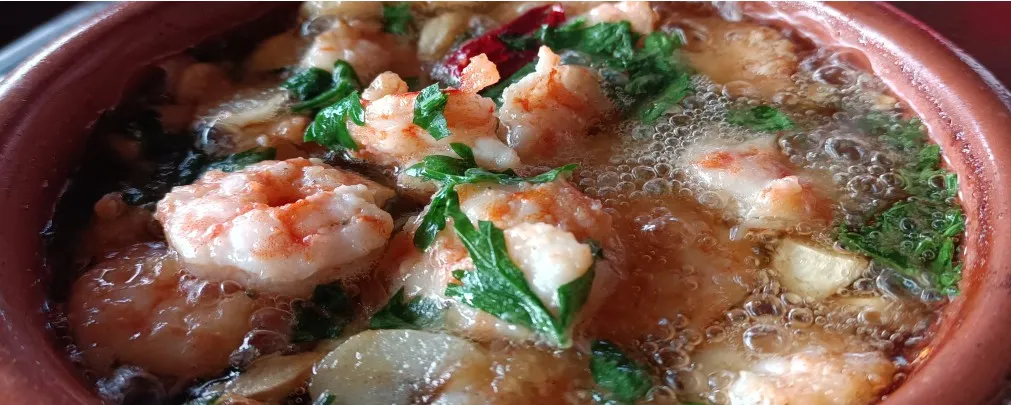
Surrounded by ocean on all sides, it’s no surprise that Fuerteventura offers an excellent selection of fresh fish and seafood. From tiny fishing villages to the island’s more contemporary restaurants, Fuerteventura pays tribute to its seafaring heritage with simple, flavourful dishes that respect the quality of the ingredients.
One of the most popular starters among both locals and visitors is grilled limpets with green mojo. This mollusc is cooked directly on the grill in its shell and served piping hot, drizzled with olive oil, garlic, coriander, and a splash of lemon. Its briny taste and delicate texture make it a true coastal delicacy.
Steamed mussels with lemon are another local favourite. Served open on the half shell, they’re simply dressed with a few drops of citrus to enhance their natural freshness. Perfect as a tapa or appetizer—especially with a chilled glass of Canarian white wine.
Another Majorero classic is fried squid tips. These bite-sized pieces are fried until crisp on the outside and tender within, making them a beloved tapa in beachside bars and terraces. You’ll also find grilled cuttlefish or larger squid, cooked over hot coals with just a touch of oil, coarse salt, and parsley—a healthy and tasty choice.
Octopus also plays a starring role in the island’s cuisine. It’s prepared in a variety of ways, but one of the most appreciated is stewed octopus with potatoes and red pepper—or simply grilled and served with mojo sauce and olive oil. Its rich flavour and firm texture never disappoint.
Among the most common local fish are parrotfish (vieja), pink dentex (sama), wreckfish (cherne) and grouper (mero), all typically cooked using traditional methods—oven-baked, pan-fried, or grilled. They’re often served with papas arrugadas, salad, and of course, a generous helping of either green or red mojo.
Eating fresh fish in Fuerteventura is an experience not to be missed. Whether you’re dining at a harbourfront restaurant in El Cotillo, a cosy tavern in Morro Jable, or a sunny terrace in Corralejo, the island’s seafood cuisine offers a deep connection to the Atlantic essence of the archipelago.
Travel tip: If you see “catch of the day” on the menu, don’t hesitate. It will be local, fresh, and very likely one of the best flavours of your trip.
Bread, Gofio and Grains: Timeless Flavours Still Going Strong
In Fuerteventura’s traditional cuisine, cereal-based products hold a special place. Their history is closely tied to the island’s long-standing agricultural lifestyle, and even today it’s easy to find artisanal breads and recipes made with simple ingredients full of flavour and character.
One of the most iconic elements is gofio—a toasted flour made from maize (locally known as millo) or wheat. Once the staple food of the majoreros, it’s still widely used today: kneaded with water and salt as a side dish, mixed with broth in the traditional escaldón, or even in desserts like gofio mousse. Rich in fibre and energy, gofio is considered a true Canarian superfood.
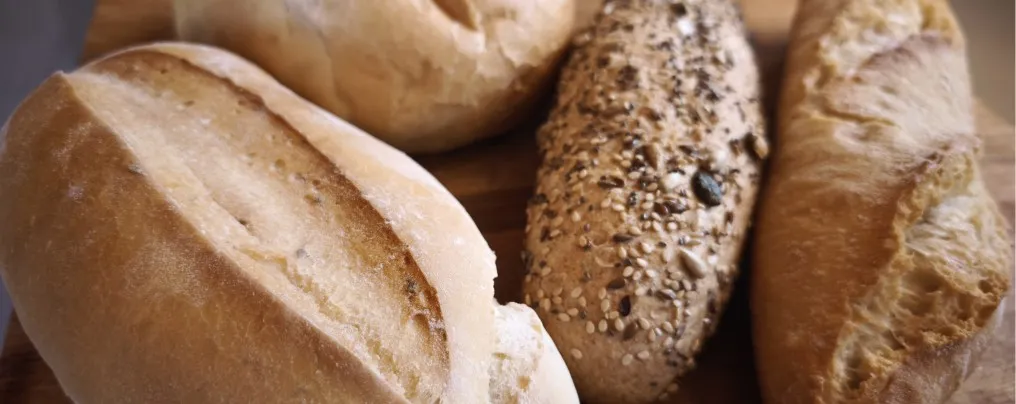
As for bread, the most emblematic on the island is traditional wood-fired bread, baked in rustic ovens with a thick crust and dense crumb. Its smoky flavour and long shelf life make it the perfect companion to stews, meats or the island’s cheeses. You’ll mostly find it in rural bakeries and traditional markets where the craft baking process is still respected.
Another typical bread is aniseed bread (pan de matalahúva), flavoured with anise seeds that give it a sweet, aromatic touch. Its distinctive taste makes it perfect on its own or paired with fresh cheese or butter. It’s also a common sight at local festivities and celebrations.
Cornbread (pan de millo), made with maize flour, is another traditional variety that has enjoyed a strong comeback thanks to the renewed interest in local, natural products. It has a firmer texture and a slightly sweet flavour—ideal for pairing with hearty dishes like goat stew or grilled limpets.
Traditional sweets and cakes made with grains are still being prepared as well, such as gofio biscuits and sweet flatbreads (tortas de pan dulce). Altogether, these foods reflect a culinary heritage that remains deeply connected to the island’s land and history.
Travel tip: Visit an artisan bakery in villages like Tiscamanita, Lajares, or Pájara. You’ll be surprised by the variety of local breads you won’t find in the more touristy areas.
Cheese and Dairy: The Excellence of Majorero Goat’s Milk
You simply can’t talk about Fuerteventura’s cuisine without mentioning its cheese. Queso Majorero, made from the milk of native goats, is one of the island’s most iconic products and a true symbol of local identity. Its outstanding quality has earned it national and international acclaim, including Protected Designation of Origin (PDO) status and numerous prestigious awards.
This cheese comes in different varieties—fresh, semi-cured or cured—and is often coated in paprika, gofio or olive oil, giving it a unique flavour and a rind that’s highly prized. It’s commonly enjoyed as a starter paired with a good Canarian wine, or even served as a dessert with palm honey or local jams.
But Fuerteventura’s cheese tradition doesn’t stop at the classics. In recent years, small producers and artisans have embraced innovation, resulting in a surprising range of dairy products made from goat’s milk.
You’ll find natural and flavoured yoghurts, artisan butters, flans, ice creams, and even creamy goat’s milk liqueurs—often served chilled as a digestif or as a little treat in local restaurants. All of these have the added value of being local, sustainable, and small-batch.
Even the traditional Majorero cheese has been reimagined in creative ways. Some cheesemakers are experimenting with special ageing processes using herbs and unexpected ingredients. You’ll find aromatic cheeses cured with oregano, thyme or basil, and bold varieties enriched with garlic, coffee, curry, red wine, Canarian chorizo, or black pepper. There are even fruity versions that surprise with their originality, like those aged with strawberry, banana, or prickly pear.
That said, these more experimental varieties are still rare and usually only found in specific artisan dairies. In most restaurants, shops and markets, you’ll typically find the traditional Majorero cheese, aged with paprika, gofio, olive oil, or simply natural, with no additions.
Many farms and dairies on the island offer guided tours, where you can learn about the cheesemaking process, meet the animals, and of course, enjoy tastings that showcase the impressive quality and variety of these local products.
Did you know Majorero cheese was the first in the Canary Islands to receive PDO status? Its history goes back centuries, yet its flavour continues to win over palates around the world.
Mojos, Sauces and Sides: Small Flavours with Big Personality
Few things define the culinary identity of the Canary Islands better than their sauces and side dishes. In Fuerteventura, mojos are far more than a simple condiment—they’re a fundamental part of the island’s food culture. Whether served with meat, fish, or just a piece of rustic bread, they always bring a vibrant, flavour-packed touch to the table.
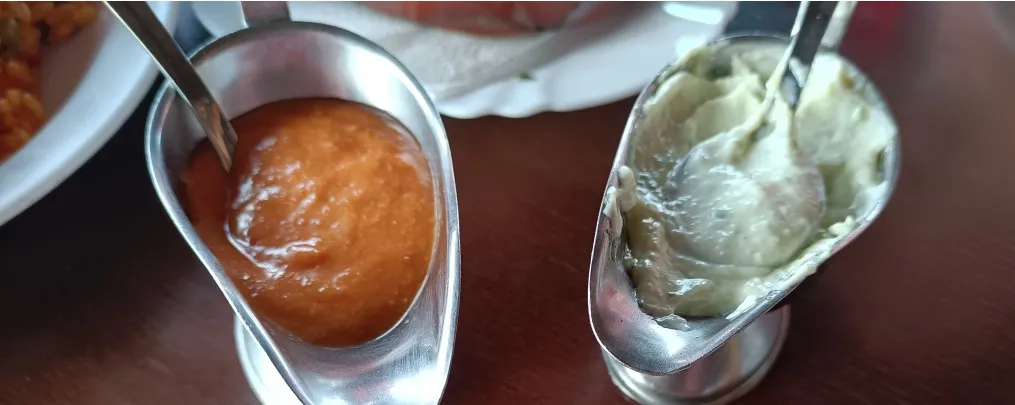
The most iconic is mojo picón rojo, a spicy red sauce made with dried red peppers and Canarian chili. Blended with garlic, oil, vinegar, salt, and cumin, it’s perfect with grilled meats, papas arrugadas (wrinkled potatoes), or simply as a dip with bread.
Mojo verde, milder and more aromatic, is made with fresh cilantro or parsley, garlic, oil, and vinegar. It pairs beautifully with fish and seafood, and both versions of mojo are a staple in any local restaurant, whether as a dipping sauce or integrated into more complex dishes.
A lesser-known but equally delicious version is mojo de almendras, a rich almond-based sauce typical of the island’s northern and agricultural regions. Creamier and more delicate in flavour, it’s a fantastic match for cheese and rustic breads.
Among the most beloved spreads is almogrote, a thick paste made with aged cheese, garlic, oil, and peppers. Originally from La Gomera, it’s been adapted in Fuerteventura using Majorero cheese, resulting in a bolder, more intense version often served as an appetizer or tapa, spread on crunchy bread.
Another popular spread is alioli, a creamy garlic and oil emulsion that accompanies many meat dishes or potatoes, and is also a common starter in local bars and guachinches (traditional eateries). Its rich texture and punchy flavour make it irresistible.
And let’s not forget the artisan jams, often made with local fruits like fig, papaya, pumpkin or prickly pear. These are served at breakfast, used in desserts, or paired with cheese and cured meats, adding a sweet contrast that elevates the entire meal.
Tip: If you come across a food fair or local market, don’t miss the chance to sample the handmade mojos and spreads. Many producers sell homemade versions that you won’t find in supermarkets or touristy areas.
Traditional Sweets and Desserts: Fuerteventura’s Sweetest Side
Majorero desserts are simple, homemade, and deeply rooted in the island’s natural ingredients. On an island where people lived modestly for centuries, sweets were made using whatever was at hand—gofio, almonds, honey, eggs, milk, and seasonal fruit. But this simplicity has given rise to a unique selection of characterful desserts, perfect for ending a meal with an authentic and delicious local touch.
One key ingredient in the island’s sweet traditions is gofio, a toasted grain flour present in many recipes. Gofio biscuits are a local favourite, combining this wholesome flour with sugar and lard to create a crunchy, energising and highly nutritious treat. You’ll also find gofio alfajores, the Canarian twist on a classic Latin American sweet, filled with honey or dulce de leche and dusted with icing sugar.
Another must-try is the Majorero mantecado—not to be confused with the Spanish Christmas version. These are enjoyed all year round and typically made with lard, flour, sugar, and sometimes a hint of anise, giving them a delicate melt-in-the-mouth texture and a wonderfully unique flavour. They’re a staple at celebrations, festivals, and family gatherings.
Many local bakeries and pastry shops offer homemade cakes, quesillo (a rich Canarian-style condensed milk flan), rosquetes (ring-shaped pastries), and almond sweets, all often made by hand following recipes passed down through generations.
You’ll also find fruit-based sweets, like papaya, fig, or pumpkin preserves, served as compotes or jams alongside cheese, or as a light dessert on their own.
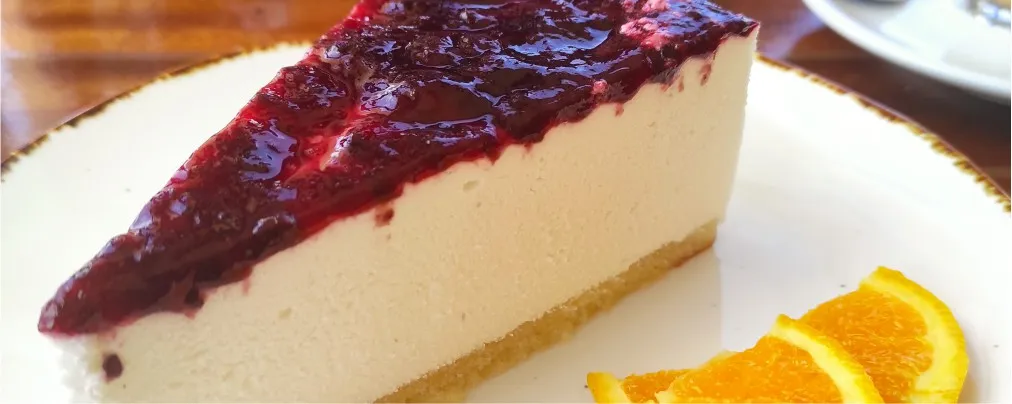
And when it comes to innovation, some of Fuerteventura’s pastry chefs are blending tradition with modern flair: Majorero cheesecake, artisan gofio ice cream, desserts with goat’s milk liqueur, and other creative combinations that merge local flavour with contemporary techniques.
Tip: Want to take a sweet memory home? Many traditional bakeries offer charming gift boxes filled with mantecados, cookies, or alfajores—perfect as edible souvenirs from the island.
Local Drinks and Liqueurs: A Toast to Fuerteventura
Fuerteventura’s culinary richness extends beyond food—its local drinks reflect the island’s unique landscape and traditions. From characterful Canarian wines to liqueurs made with local fruits and herbs, the island offers a variety of flavours that perfectly complement its cuisine.
Canarian Wines
Wine is a hallmark of the Canary Islands, and Fuerteventura is no exception. With a winemaking heritage that dates back centuries, the island boasts several wineries producing excellent red, white, and rosé wines. Indigenous grape varieties like Listán Negro, Verdejo, and Gual thrive in Fuerteventura’s volcanic soil, resulting in fresh, fruity wines with great balance.
Many local wineries offer guided tours and tastings, giving visitors the chance to discover the winemaking process firsthand and sample wines paired with local products such as Majorero cheese or traditional cured meats.
Traditional Liqueurs and Spirits
Beyond wine, Fuerteventura is home to a range of traditional liqueurs enjoyed both as aperitifs and in desserts. A favourite is the herbal liqueur, made by infusing local herbs in alcohol, and the island’s signature goat’s milk liqueur, a creamy, sweet beverage that has become a true Fuerteventura classic.
Another standout is ron miel, or honey rum—a smooth, sweet liqueur made from rum and palm honey, one of the island’s prized natural products. It’s delicious served straight or as the base for cocktails.
Local Craft Beer
If you’re a beer lover, Fuerteventura has you covered with local options like Cerveza La Caldereta, brewed on the island using natural ingredients. It’s the perfect companion for a relaxed evening on a sunny terrace after a day of adventure.
Island-Inspired Cocktails
Bars and restaurants across the island also offer creative cocktails made with local ingredients—think mojo picón-infused drinks, fruit liqueurs, and Canarian rum mixed with fresh juices. One unique option is the Cóctel Majorero, crafted with goat’s milk liqueur—original, creamy, and full of flavour.
Tip: If you enjoy discovering local tastes, be sure to try a herbal liqueur or honey rum in any traditional bar. They’re perfect for sharing with friends and raising a glass to your island adventure.
Local Food in Fuerteventura: A Taste of the Authentic
Fuerteventura’s cuisine is deeply rooted in local traditions and ingredients, and some of the most genuine culinary experiences are found away from the tourist hotspots—in the inland villages and local eateries where everyday dishes are simple, hearty, and full of flavour.
Off the Tourist Trail: Discover the True Taste of the Island
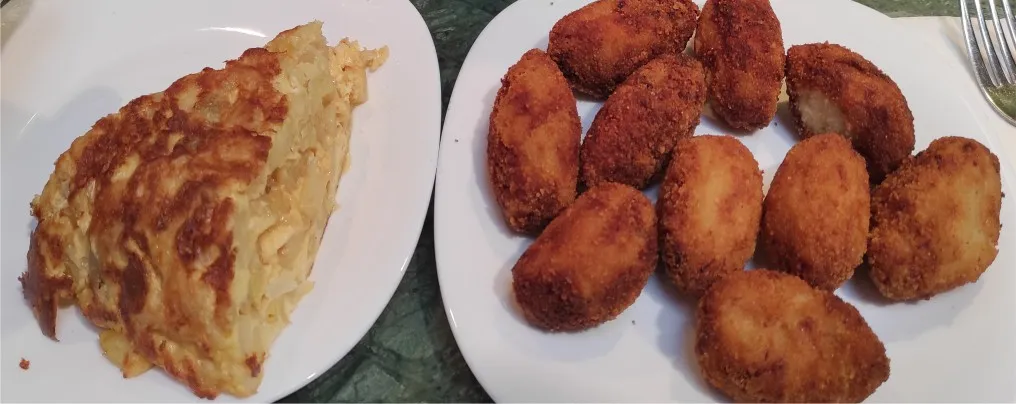
Small bars and family-run restaurants located inland or in less touristy towns serve up traditional tapas and freshly made sandwiches featuring local products like Majorero cheese, fresh fish, and goat or pork meat. These places offer an authentic dining experience, ideal for travellers who want to taste the real Fuerteventura in a friendly and relaxed setting.
Local Markets: Fresh and Authentic Products
Markets such as La Oliva Market or Puerto del Rosario Market focus on selling fresh, local produce—from fish, cheese, and seasonal fruit to vegetables and artisan goods. Unlike tourist-oriented food markets, these markets rarely offer ready-to-eat meals. However, some urban markets located near cafés and bars may have a few options for grabbing a bite, such as local tapas or simple dishes. Still, the main highlight is the quality and freshness of the local products.
International Cuisine in Tourist Areas
Popular tourist destinations like Corralejo, Caleta de Fuste, or Jandía feature a wide range of international cuisine adapted to European tastes, with everything from Italian to Mexican dishes and more. That said, these areas also boast an impressive selection of high-quality local restaurants, where visitors can enjoy Canarian cuisine, tapas, and traditional meals that are much loved by tourists for their authenticity and flavour.
Local Tip: For an authentic taste of Fuerteventura, venture into the island’s interior and try the food at local bars and restaurants. It’s the best way to discover the true essence of Majorero gastronomy, far from the crowds.
Gastronomic Tips: Enjoy the Food of Fuerteventura
To make your culinary experience in Fuerteventura even more enjoyable, here are some practical tips that will help you savor the best of the island and make the most of every meal.
1. Try Local Products
The island is famous for its native products. Don’t miss Majorero cheese, one of the most renowned cheeses in the Canary Islands, especially the cured ones with paprika or gofio. Also, try goat meat and fresh fish, both essential ingredients in the local cuisine. Many restaurants across the island serve these products in their most traditional forms.
2. Enjoy Local Tapas
Tapas are a great way to sample a variety of local flavors and dishes in smaller portions. Opt for papas arrugadas with mojo, fried squid tips, goat cheese escaldado, or almogrote. Each of these tapas has its own story and unique flavor, and you can find them in both restaurants and local bars.
3. Visit Local Markets
Visiting the island’s markets is an excellent opportunity to discover fresh, local products. While not all markets offer prepared food, some in urban areas have small nearby bars where you can enjoy simple, authentic dishes while you shop. Don’t forget to take home some local products, such as gofio, olive oil, or mojo picón.
4. Be Aware of Mealtime Hours
In Fuerteventura, like many parts of Spain, mealtimes may differ from what you’re used to. Lunch is typically served between 12:30 PM and 2:30 PM, and dinner from 8:00 PM to 10:00 PM. If you plan to dine at a restaurant, it’s advisable to go within these hours to enjoy the best service and freshest dishes.
5. Adjust Expectations in Tourist Areas
In the more tourist-heavy areas, the food options may lean towards international cuisine and European tastes, but you’ll also find excellent local choices. For an authentic meal, look for restaurants offering traditional Canarian cuisine, especially those located outside the main tourist zones, where the quality and flavors are more representative of the island.
6. Don’t Forget Dessert
Canarian desserts are delicious, and you shouldn’t miss out on trying them. Some of the most popular include mantecados, gofio cookies, and alfajores de gofio, which are traditional sweets made with one of the island’s most characteristic ingredients: gofio. You can also enjoy a delicious cheese flan or try artisanal jams.
Bonus Tip: If you get the chance, pair your meal with a local Fuerteventura wine. The island has a growing wine scene, with both indigenous and imported varieties that pair perfectly with traditional dishes.
With these tips, you’re sure to enjoy the rich and diverse cuisine of Fuerteventura to the fullest! Be sure to explore both the tourist hotspots and the lesser-known areas for a complete experience.