Author: uveses

  • Jarubio or Jarugo beach

    Discover Playa de Jarubio in Fuerteventura: A Natural Paradise Waiting to Be Explored

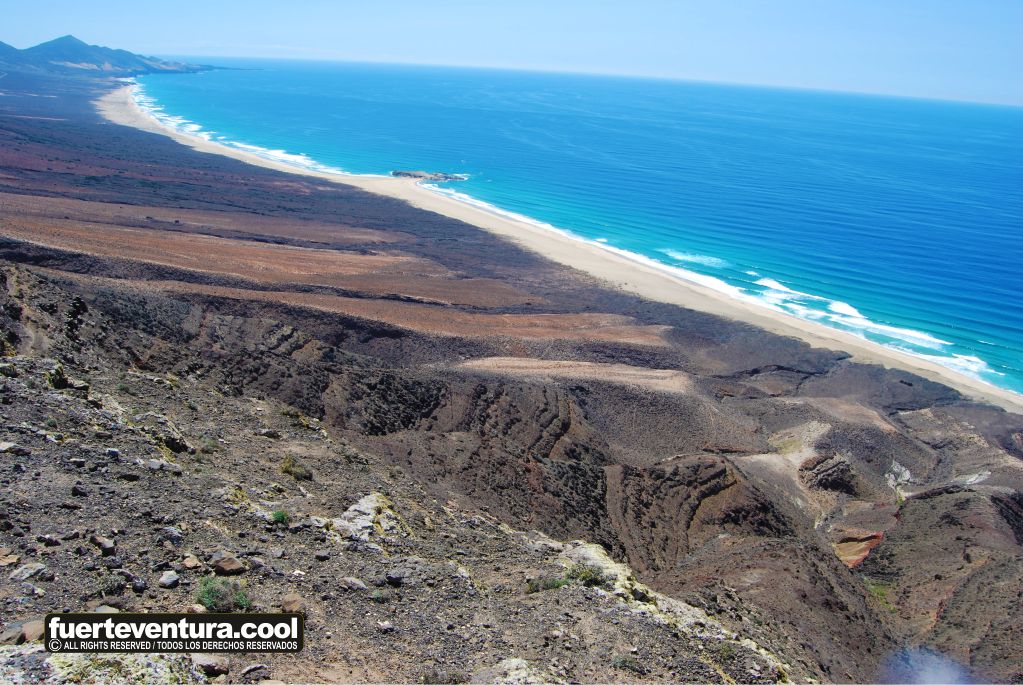
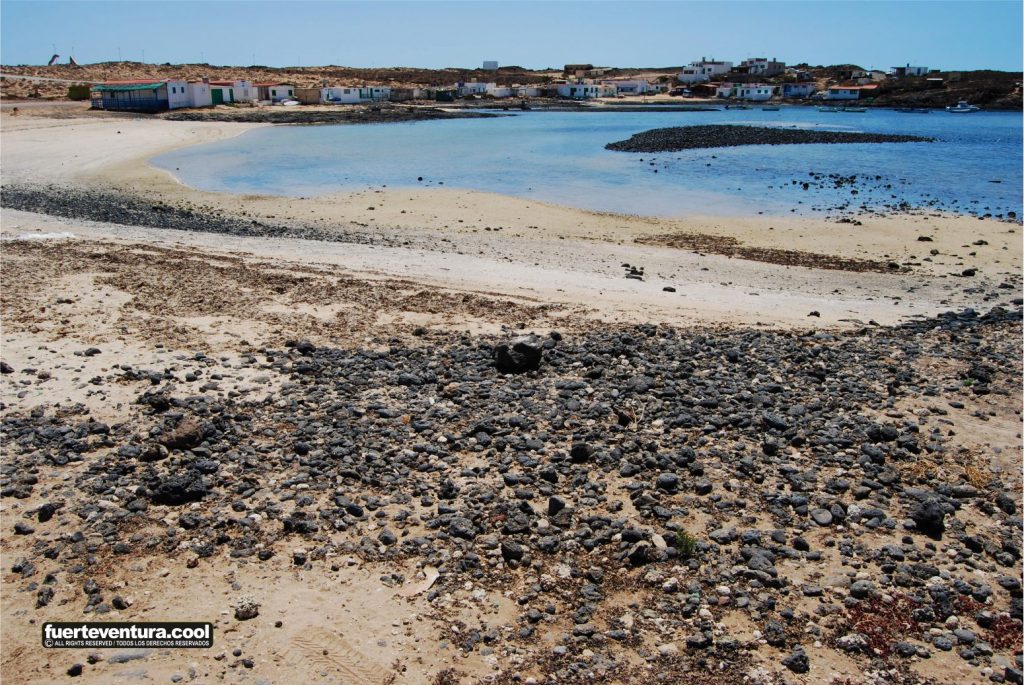
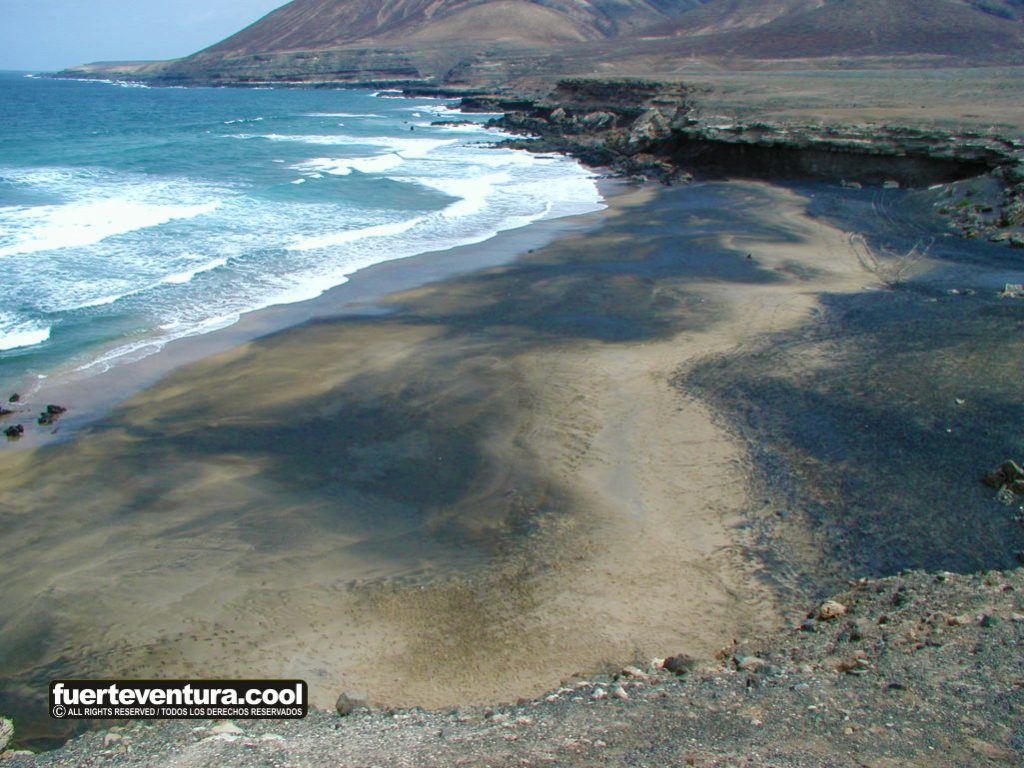
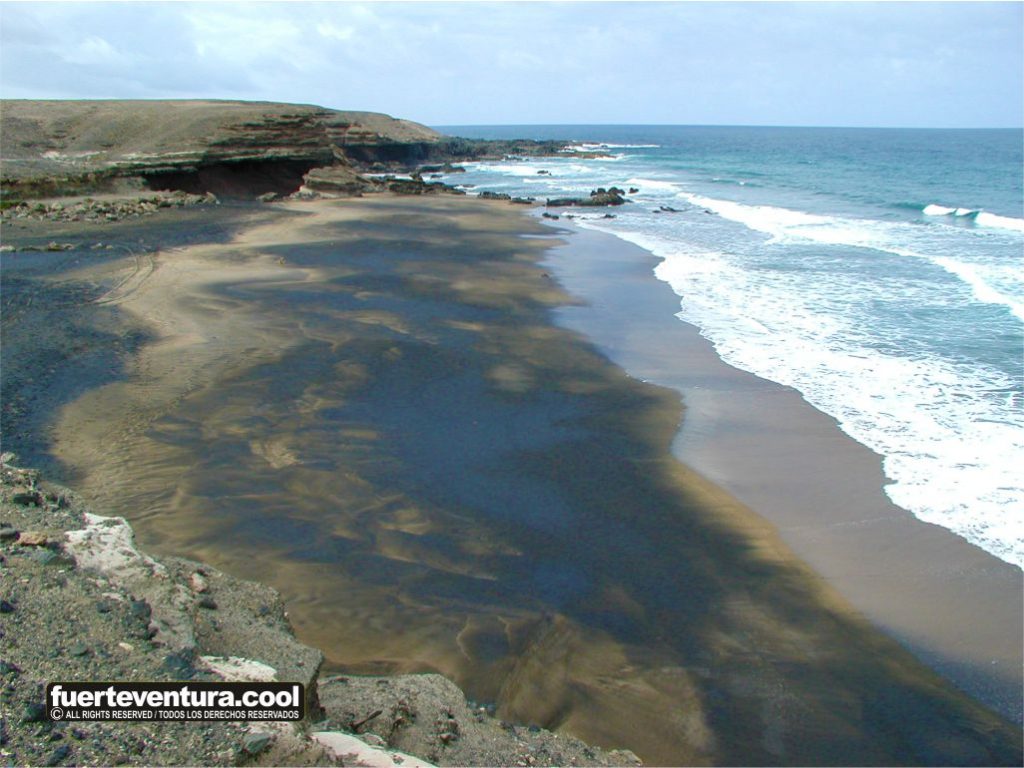
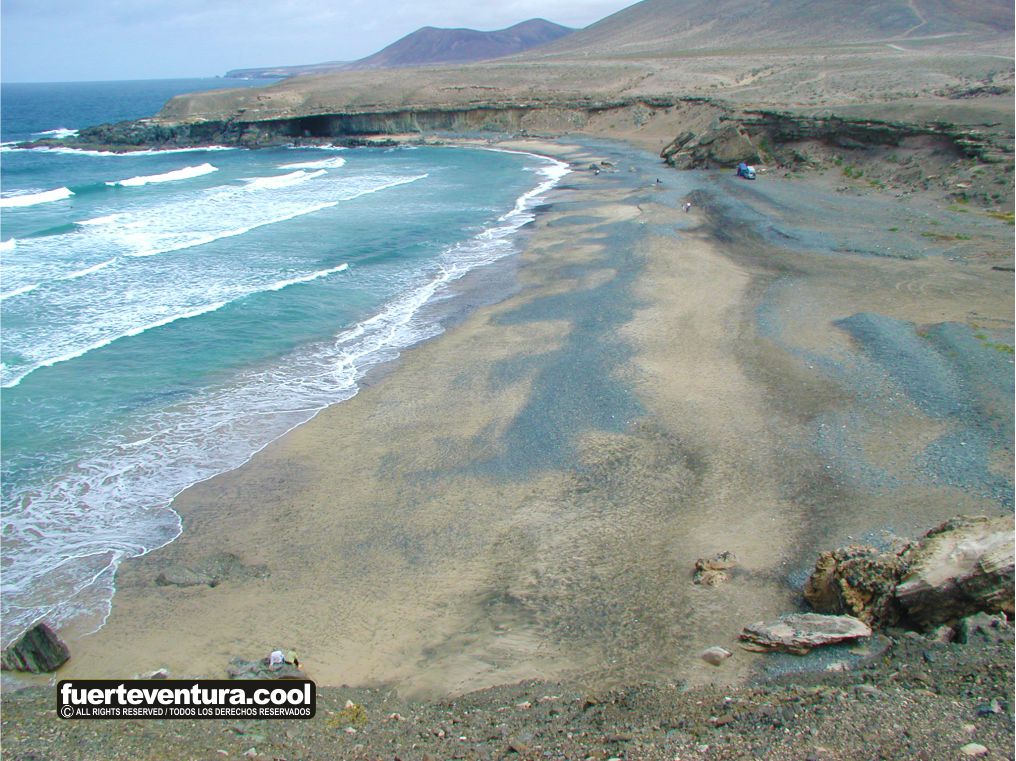
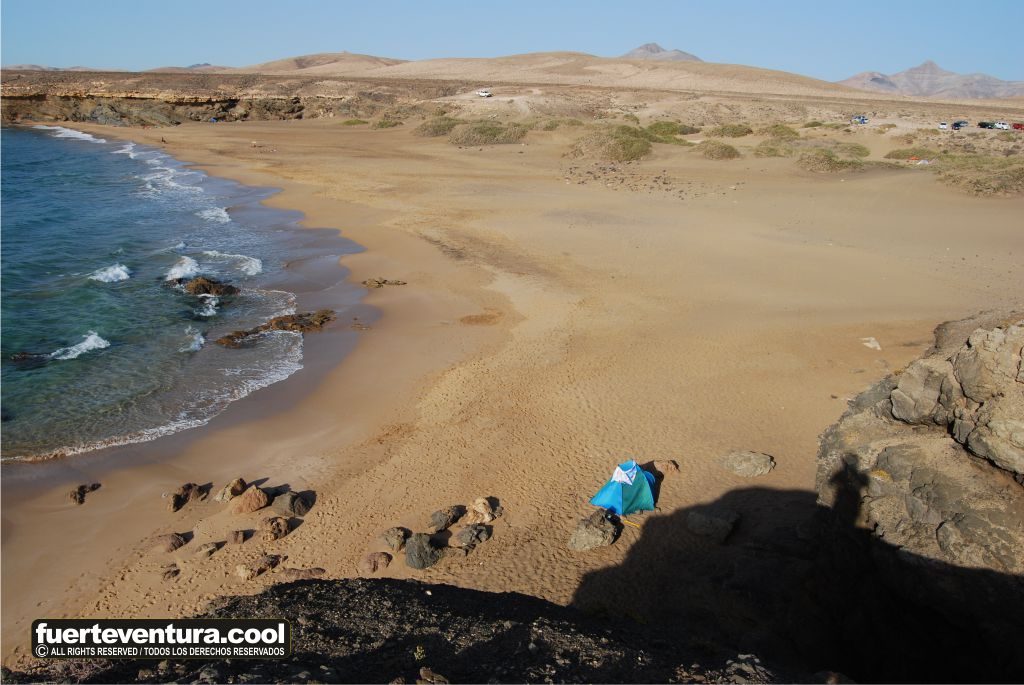
    Playa de Jarubio, also known as Playa de Jarugo, is a hidden gem on Fuerteventura’s west coast. With its unspoiled surroundings and stunning landscapes, it offers a unique experience for nature lovers and those seeking tranquility.
    General Introduction

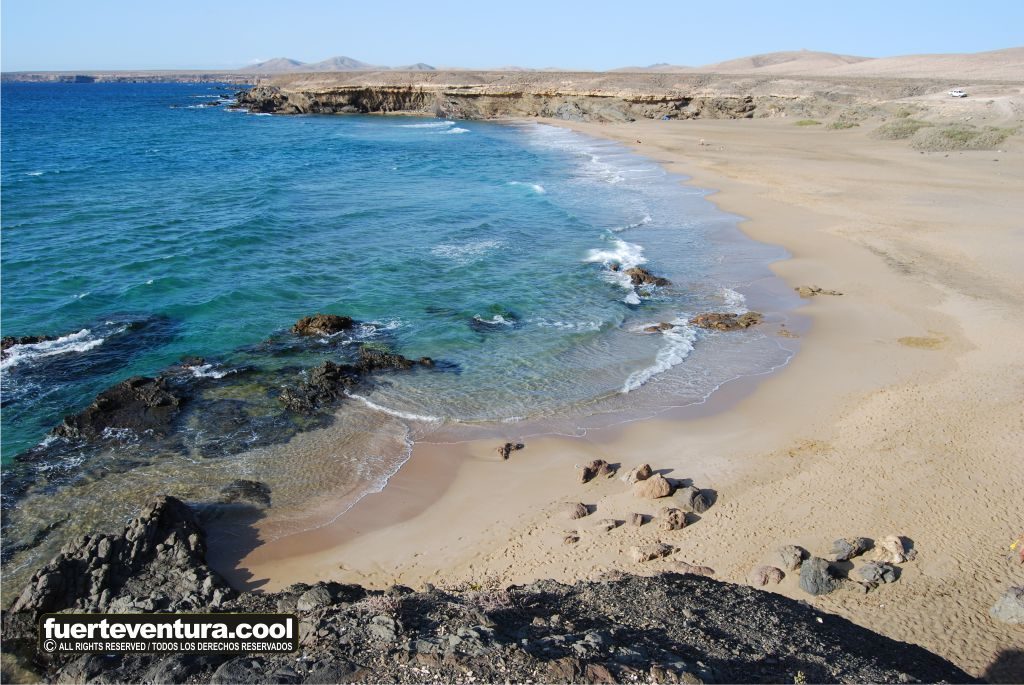
    Located on the western coast of Fuerteventura, Playa de Jarubio, or Playa de Jarugo, is a haven of serenity and natural beauty. Far from the hustle and bustle of tourist hotspots, this beach provides visitors with a pristine environment where the sound of the sea and the wind take center stage. With its golden sand and crystal-clear waters, it is the perfect place to disconnect and immerse yourself in nature in its purest form.

    History and Cultural Context

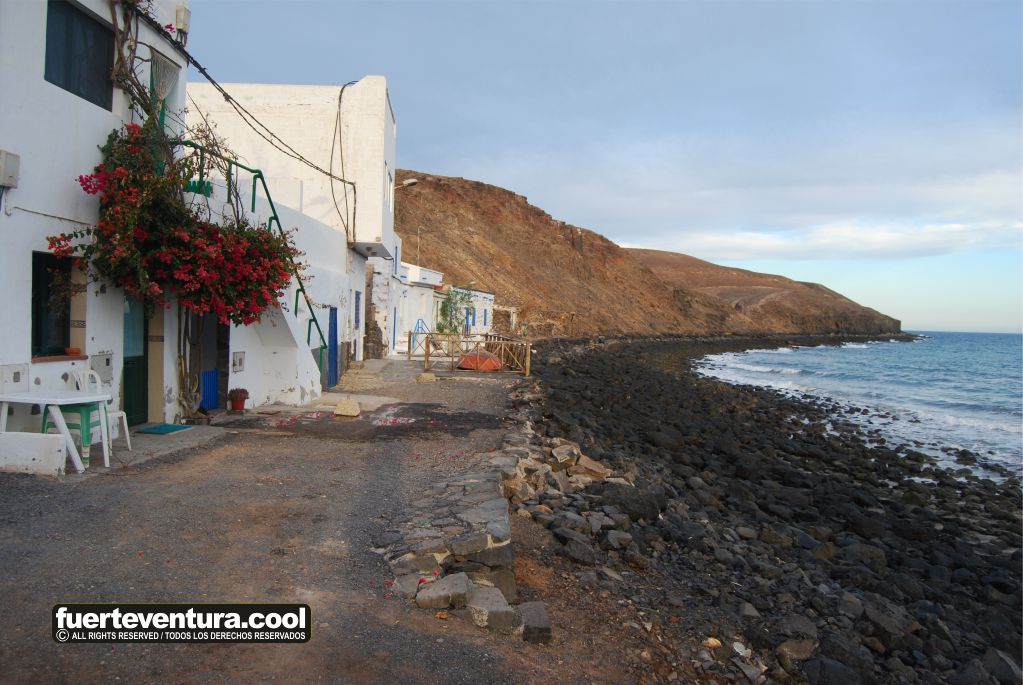
    Although Playa de Jarubio is not widely known in mainstream tourist circuits, it has long been cherished by locals for its tranquility and beauty. The absence of urban development in the area has preserved its natural state, making it a living testament to Fuerteventura’s untouched coastlines. Additionally, near the beach, you can find a gambuesa—a circular stone structure traditionally used for gathering and managing livestock—reflecting the island’s rich pastoral heritage.

    Exact Location and How to Get There

    Playa de Jarubio is located in the municipality of Puerto del Rosario, between the village of Los Molinos and the cliffs of Tindaya. To reach the beach:

    • From Tindaya: Take a well-maintained dirt road that stretches approximately 8 kilometers to the coast. A suitable vehicle for unpaved roads is recommended.
    • From Los Molinos: Follow a route that connects to the beach via rural paths.

    Visitors should bring their own supplies, as the beach has no tourist facilities.
    Detailed Description of the Location

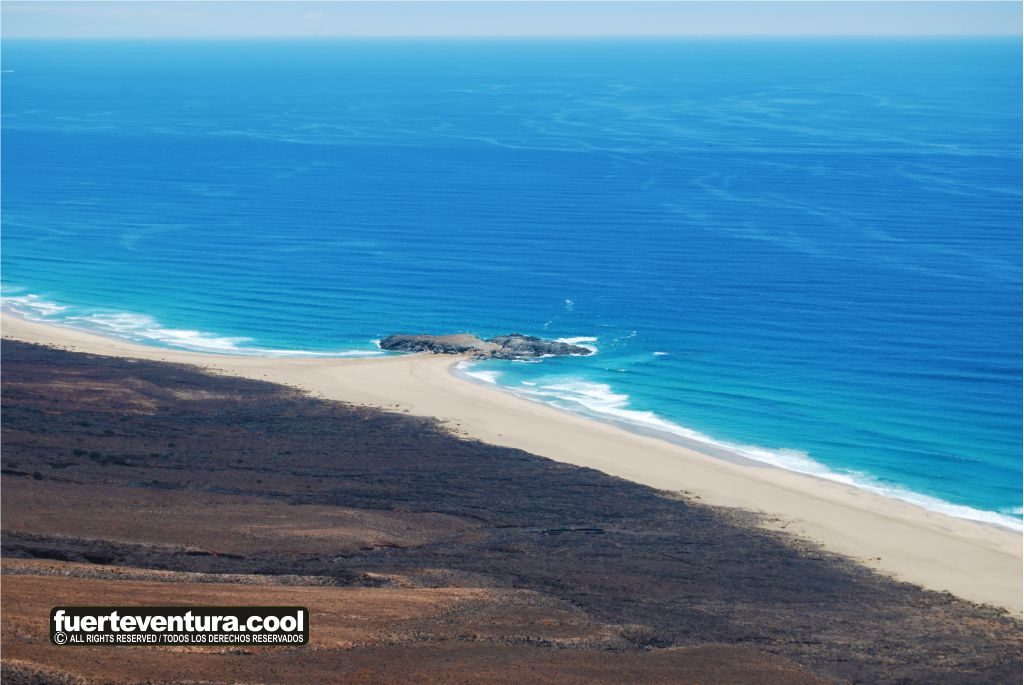
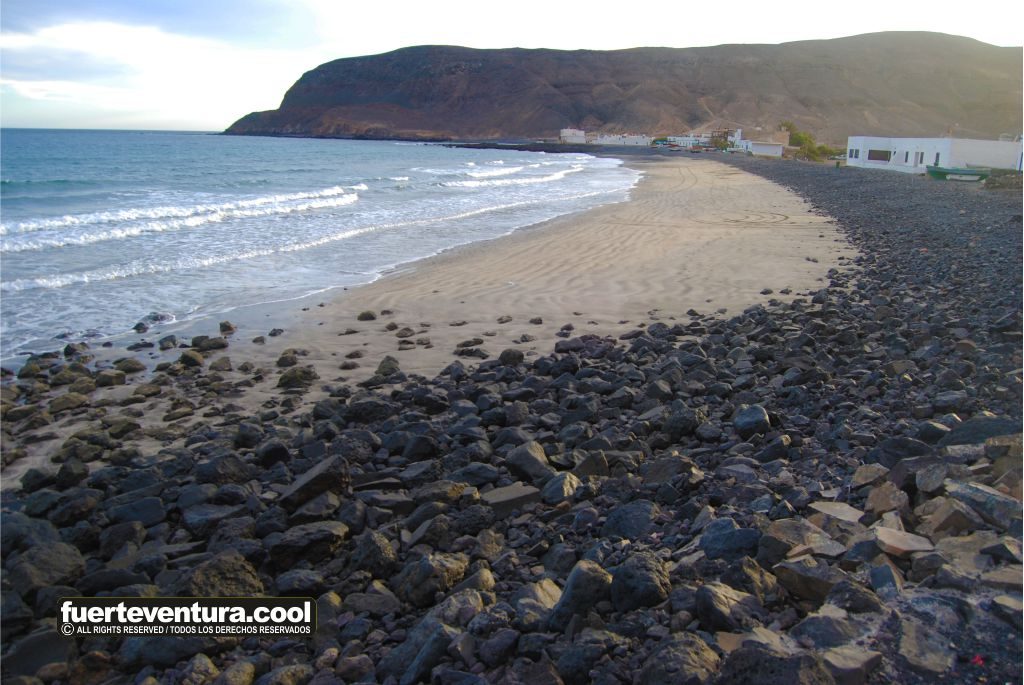
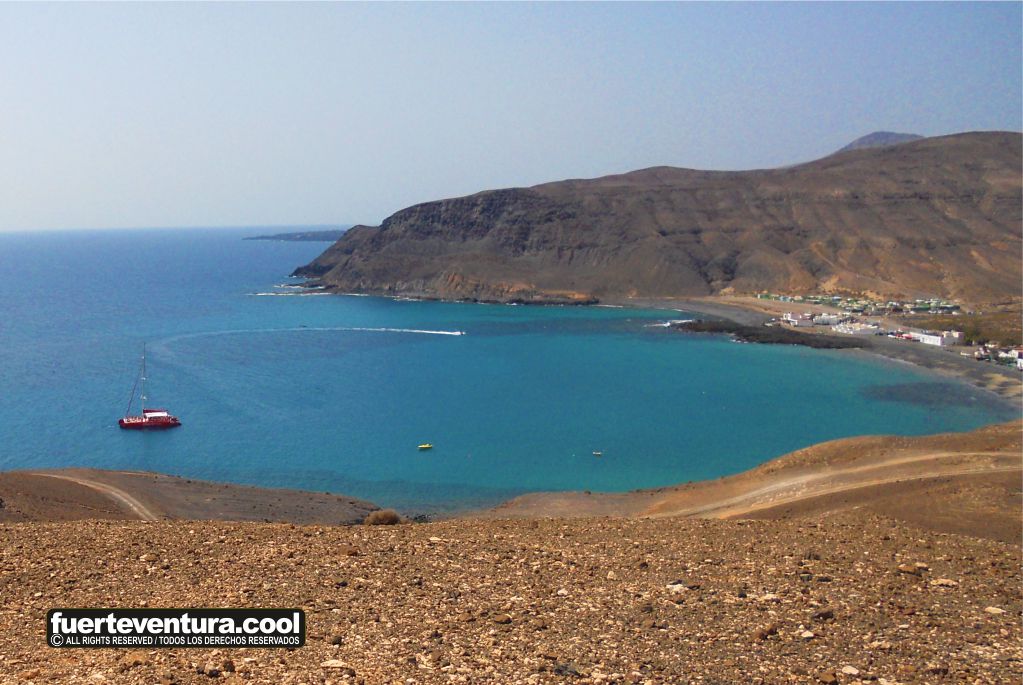
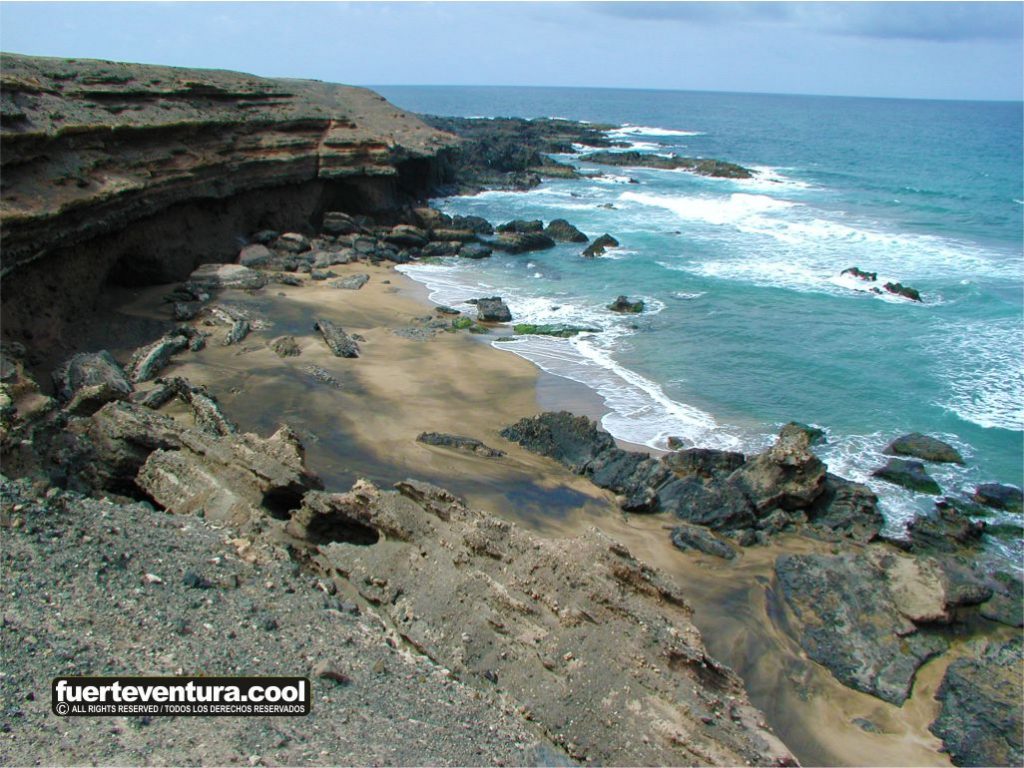
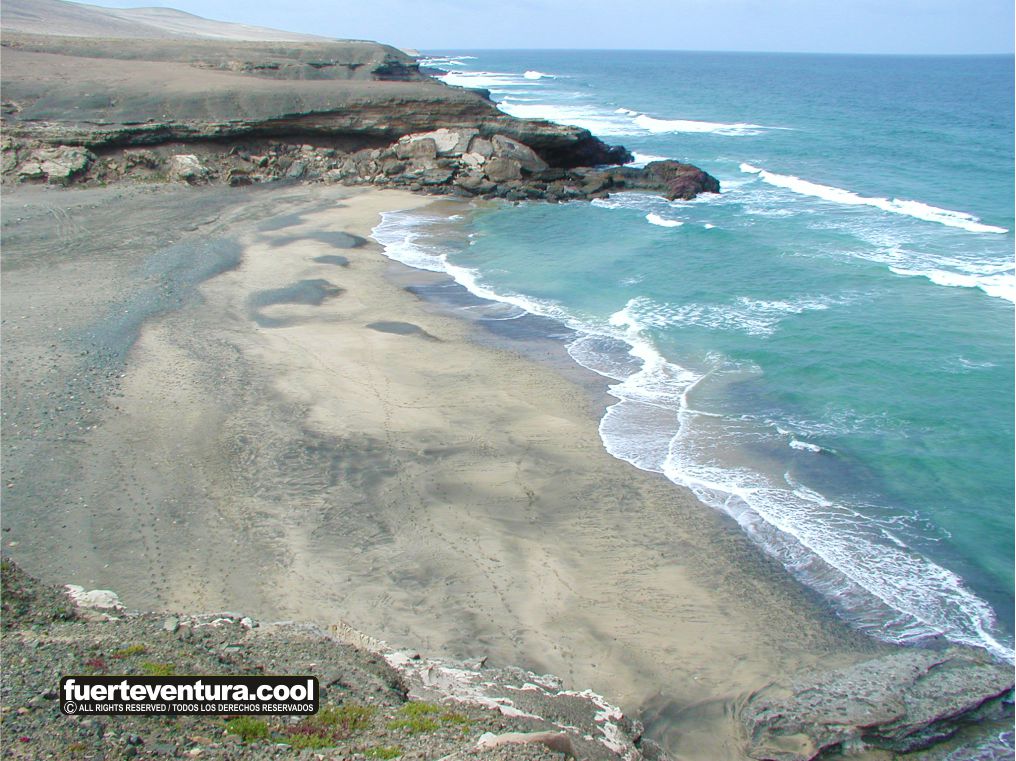
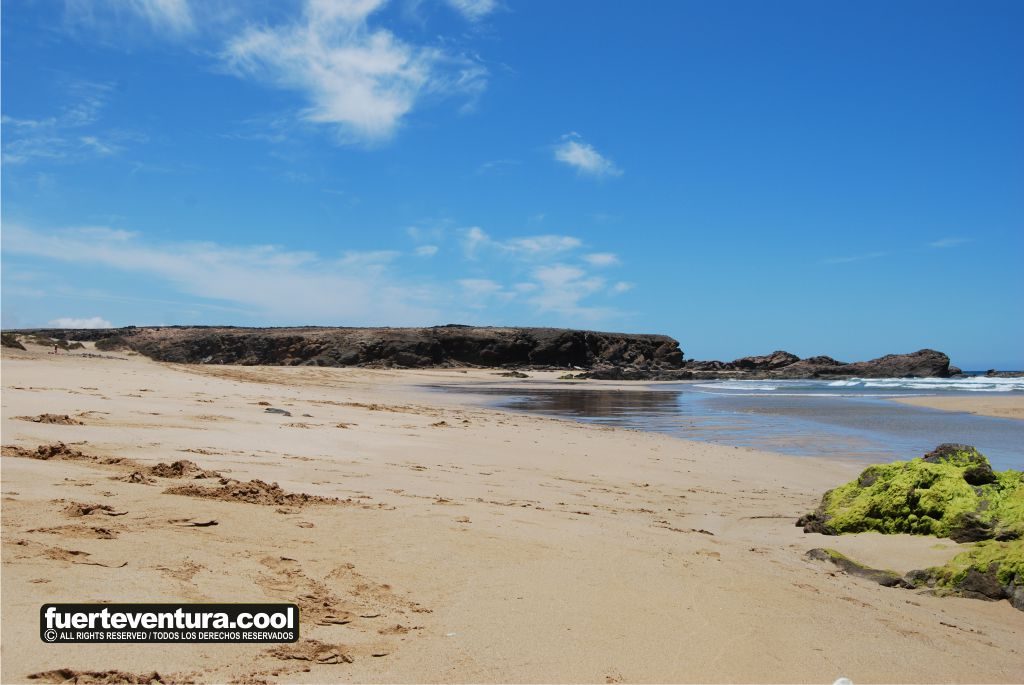
    Spanning approximately 280 meters in length and 90 meters in width, Playa de Jarubio features fine golden sand and is framed by cliffs that enhance its beauty while providing a sheltered atmosphere. Due to its location on the west coast, the beach often experiences strong waves and currents, so caution is advised when swimming. This untouched natural environment is home to a variety of native flora and fauna, offering visitors an authentic experience in direct contact with nature.

    Recommended Activities

    Although Playa de Jarubio does not have tourist facilities, its surroundings offer several activities for nature enthusiasts:

    • Surfing: The beach’s wave conditions make it a favored spot for surfers seeking challenging waters.
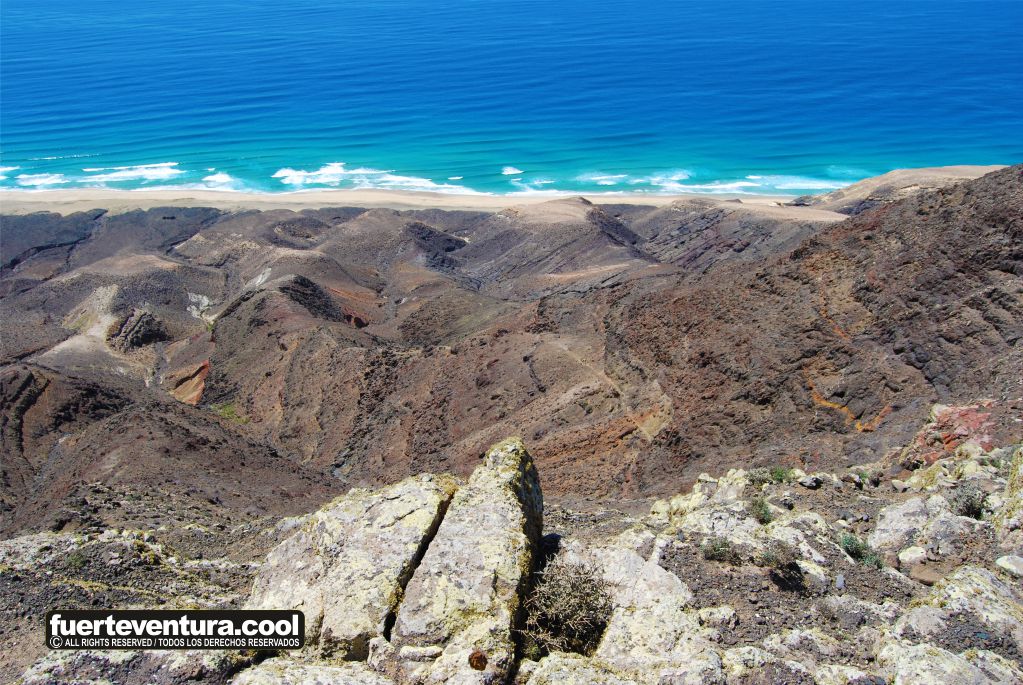
    • Hiking: The surrounding areas feature trails that allow visitors to explore the island’s volcanic landscapes and unique geological formations.
    • Wildlife Watching: The area is ideal for spotting native birds and other species characteristic of Fuerteventura.

    It is essential to remember that, due to strong currents and waves, swimmers should exercise caution and avoid venturing too far from the shore.

    Playa de Jarubio is an ideal destination for those looking to disconnect and enjoy nature in its purest form, far from the crowds and in a truly unspoiled setting.

    Practical Tips for Visitors

    Best Time to Visit

    Playa de Jarubio, located on Fuerteventura’s west coast, enjoys pleasant weather year-round. However, spring and autumn are particularly recommended due to moderate temperatures and gentler winds, making outdoor activities more enjoyable.

    What to Bring

    • Sun Protection: Given the island’s intense sun, it is essential to bring high-factor sunscreen, sunglasses, and a hat or cap.
    • Water and Food: The beach has no services or nearby establishments, so visitors should bring enough drinking water and food for the day.
    • Appropriate Footwear: To explore the surroundings and access the beach via dirt roads, comfortable and sturdy footwear is advisable.
    • Equipment for Activities: If you plan to surf or engage in other water activities, be sure to bring your own gear, as there are no rental options in the area.

    Beach Safety

    • Waves and Currents: Playa de Jarubio is known for its strong waves and currents, which can make swimming dangerous. Extreme caution is recommended, and inexperienced swimmers should avoid entering the water.
    • No Lifeguard Service: There are no lifeguards on duty, so visitors should always be vigilant and avoid swimming alone.
    • Access and Terrain: The beach is reached via dirt roads that may vary in condition. It is advisable to use a suitable vehicle for rough terrain and drive carefully.
    Frequently Asked Questions (FAQ)

    Is Playa de Jarubio safe for swimming?
    Due to strong waves and currents, caution is advised. Only experienced swimmers should consider entering the water, and always with extreme care.

    Are there any facilities or services at the beach?
    No, the beach has no facilities such as restrooms, showers, or restaurants. Visitors must bring their own supplies.

    Is the beach accessible for people with reduced mobility?
    Access is via dirt roads, and the beach lacks adapted infrastructure, which may make visits difficult for those with mobility challenges.

    Is camping allowed on the beach?
    There is no official information allowing camping at Playa de Jarubio. Visitors are advised to check with local authorities before planning an overnight stay.

    Is the beach suitable for families with children?
    Due to sea conditions and the lack of services, it may not be the most suitable option for families with young children.

    Visitor Reviews and Experiences

    Here are some highlighted reviews from visitors to Playa de Jarubio:

    1. “A wonderful untouched beach, perfect for disconnecting and enjoying nature in its purest form.”
    2. “The access is a bit tricky, but the tranquility and breathtaking views make it worth it.”
    3. “Ideal for surfers looking for challenging waves away from the crowds.”
    4. “There are no services, so come prepared with everything you need for the day.”
    5. “The combination of cliffs and golden sand creates a spectacular landscape.”
    6. “A perfect spot for photography, especially at sunset.”
    7. “I recommend wearing proper footwear for walking along the access trails.”
    8. “The beach is clean and remains in its natural state please take your trash with you.”
    9. “Although the road is unpaved, a regular car can make it if driven carefully.”
    10. “A hidden gem in Fuerteventura that’s well worth discovering.”

    Curiosities and Lesser-Known Facts

    • Unique Geological Formations: The beach is surrounded by cliffs and rock formations shaped by centuries of erosion, offering an impressive geological landscape.
    • Biodiversity: Despite its arid appearance, the area is home to various native bird and plant species adapted to coastal conditions.
    • Local History: The beach has traditionally been used by local fishermen and is a prime example of Fuerteventura’s untouched coastline.
    Connections to Nearby Places of Interest

    • Los Molinos: Just a few kilometers south, this small fishing village offers an authentic glimpse of local life and features a quiet beach and seafood restaurants.
    • Tindaya: To the east lies the village of Tindaya, known for Mount Tindaya, considered sacred by the island’s indigenous people and an excellent spot for hiking.
    • Puerto del Rosario: The island’s capital, located southeast of the beach, is a great option for finding services, restaurants, and cultural activities after visiting Playa de Jarubio.
    • El Cotillo: Situated to the north, El Cotillo is a popular destination known for its turquoise waters and relaxed atmosphere. It’s a great contrast to Jarubio, especially if you’re looking for a mix of untouched beach and a spot with more amenities.
    • Betancuria: If history interests you, consider a trip to Betancuria, the island’s former capital, known for its colonial architecture and historical significance.

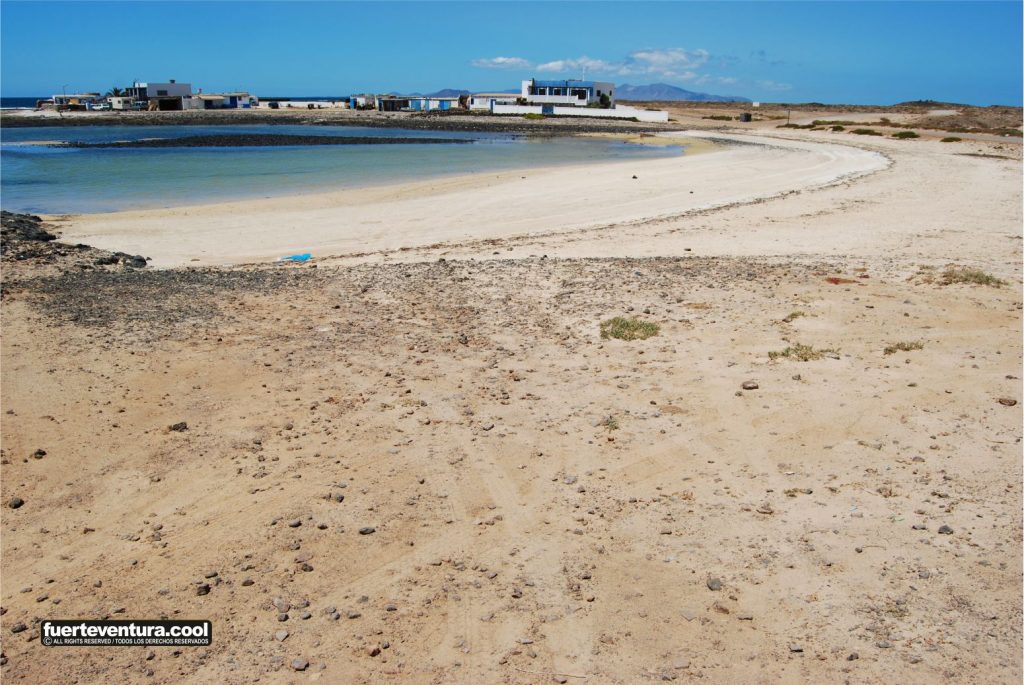
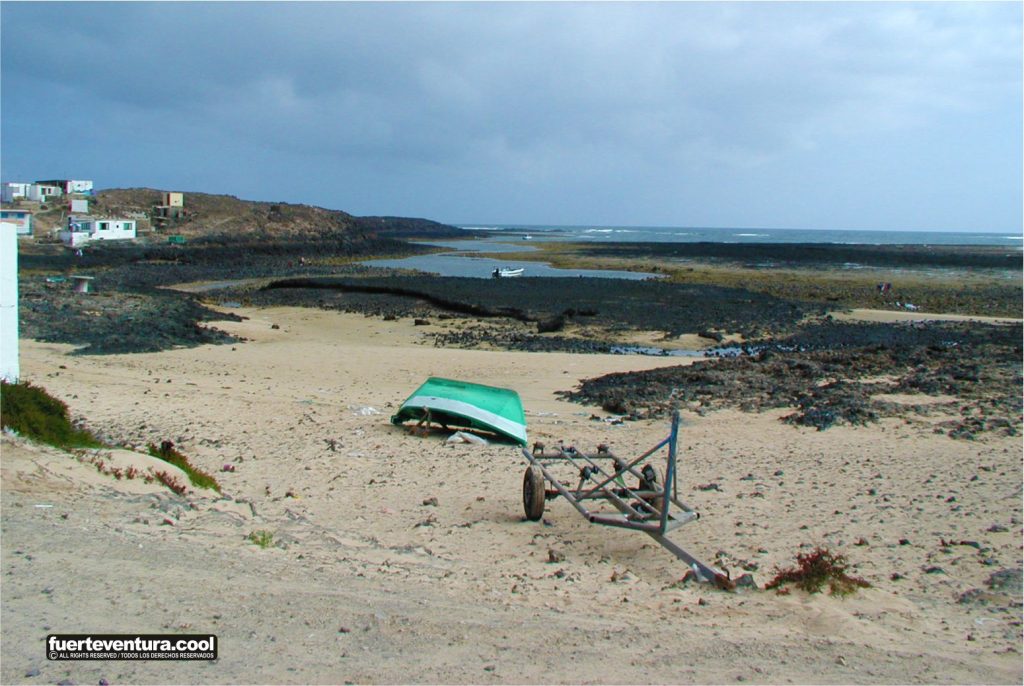
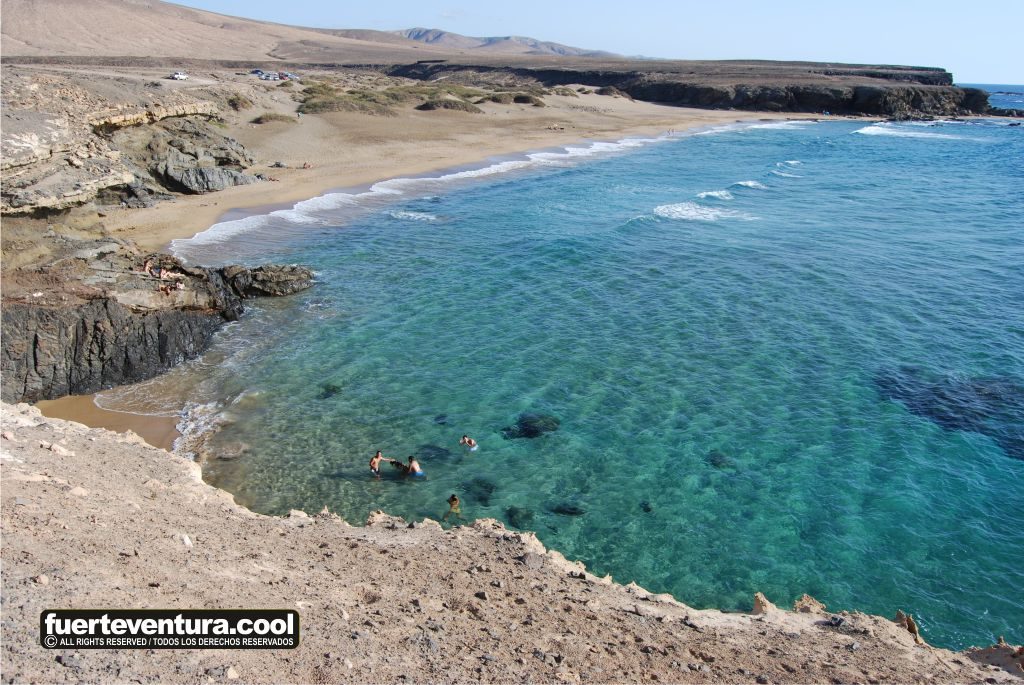
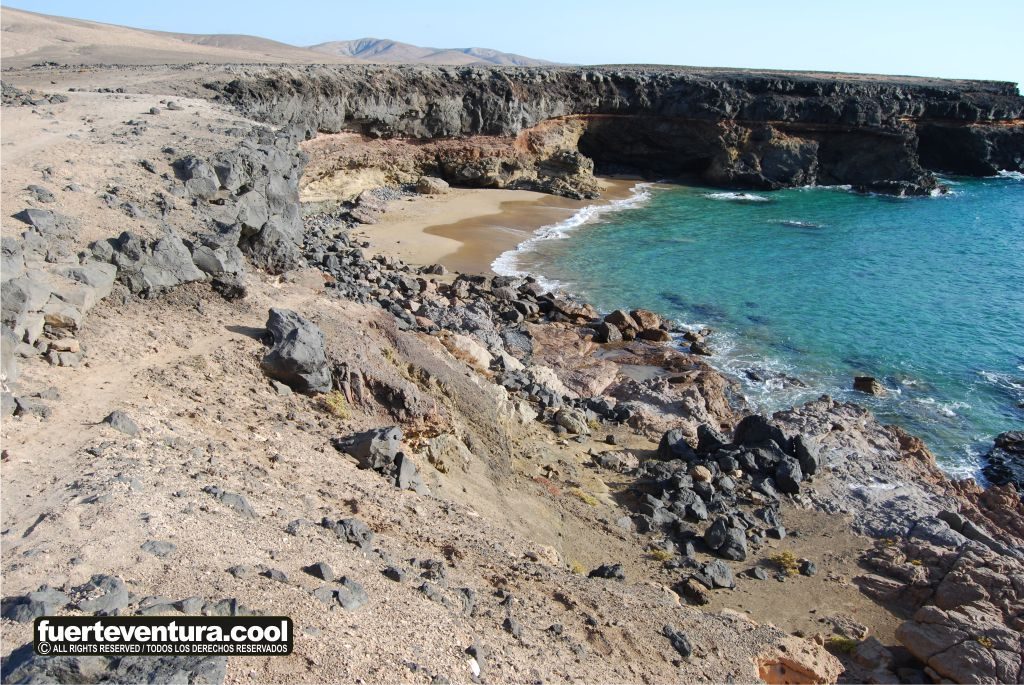
    Here they have a small cove further south of the main beach, it is easy to get to when the tide is low and you can walk along the coast, you can also go up to a small plateau and go down from there.
    Google map of the Jarubio or Jarugo beach in Fuerteventura.

    Sources Used

    Below are the links to the sources used in this article:

  • Barlovento beach in Jandía

    Barlovento Beach in Fuerteventura: A Natural Paradise to Discover

    Discover Barlovento Beach in Fuerteventura: an extensive stretch of golden sand, surrounded by mountains and an unspoiled environment that invites adventure and disconnection.

    General Introduction

    Barlovento Beach, located on the Jandía Peninsula in southern Fuerteventura, is a haven of wild beauty and tranquility. Stretching approximately 6 kilometers long and 60 meters wide, this fine golden sand beach lies between the island’s mountains, offering a breathtaking landscape and a sense of seclusion that attracts those looking to escape the tourist crowds.

    History and Cultural Context

    Fuerteventura, the oldest island in the Canary archipelago, boasts a rich cultural and natural history. Like other areas of the island, Barlovento Beach has been shaped by geological processes that have given it its unique beauty. Although there is no specific documented history of the beach itself, its surroundings are part of the Jandía Natural Park, a protected area home to unique biodiversity and landscapes that reflect Fuerteventura’s geological history.

    Exact Location and How to Get There

    Barlovento Beach is located in the municipality of Pájara, on the Jandía Peninsula, in southern Fuerteventura. To get there from Morro Jable, take the FV-605 road towards Cofete. After approximately 20 kilometers, you will reach a parking area from which a trail descends to the beach. A four-wheel-drive vehicle is recommended due to the road conditions. After reaching Cofete Beach, you will need to walk a few kilometers north along the shore to reach Barlovento Beach.

    Driving any type of vehicle on the beach is strictly prohibited.

    Detailed Description of the Place

    Barlovento Beach stands out for its pristine natural setting. The fine golden sand stretches along the coast, flanked by mountains of varying heights, whose slopes sometimes extend right down to the sand. The contrast between the dark hues of the mountains, the golden sand, and the deep blue Atlantic creates an unforgettable scene. The beach is ideal for those seeking solitude and contact with nature, and it is also a favored spot for naturists. However, due to the lack of services such as lifeguards, showers, or beach bars, it is essential to bring provisions and be prepared for an undeveloped environment.

    Recommended Activities

    • Hiking: The surrounding areas of the beach offer trails that allow visitors to explore the volcanic landscape and dunes, providing panoramic ocean views and the chance to discover local flora and fauna.
    • Photography: The natural beauty of the beach makes it a perfect location for photography, offering countless opportunities to capture unique and spectacular images.

    Recommendations and Warnings

    Barlovento Beach is a protected natural area, so it is important to respect the environment. Do not leave trash, do not pick plants, and avoid disturbing local wildlife. Follow the signs and stay within designated areas to minimize your environmental impact and help preserve the natural beauty of the beach.

    Due to the lack of services, it is essential to bring sufficient water, food, and sun protection. Additionally, checking weather conditions before visiting is highly recommended, as the wind and waves can be strong, making swimming unsafe at times.

    Barlovento Beach is an ideal destination for those seeking an authentic experience in touch with nature, offering a pristine environment and activities that allow visitors to enjoy the beauty and tranquility of Fuerteventura.

    Practical Tips for Visitors to Barlovento Beach

    Best Time to Visit

    Barlovento Beach is an attractive destination year-round, but weather conditions vary by season. Spring and autumn are the best times to enjoy pleasant temperatures and moderate winds, ideal for outdoor activities. In summer, temperatures rise, but the wind can be stronger, making swimming more challenging. Checking weather conditions before visiting is recommended to ensure optimal conditions for enjoying the beach safely.

    What to Bring

    • Sun protection: As the beach is highly exposed to the sun, it is essential to bring broad-spectrum sunscreen, sunglasses, and a hat or cap to protect yourself from strong sunlight.
    • Water and food: Barlovento Beach has no facilities such as beach bars or shops. Therefore, bringing enough water and food for the day is crucial.
    • Appropriate clothing: Due to the terrain, comfortable clothing and suitable footwear for walking are recommended, especially if you plan to explore the area around the beach.
    • Beach equipment: Towels, umbrellas, and folding chairs are essential for added comfort, as the beach lacks such amenities.

    Beach Safety

    Barlovento Beach is known for its strong winds and waves, which can make swimming dangerous. Swimming is not recommended. Always check sea conditions before entering the water and avoid swimming if the waves are strong, as currents can be extremely dangerous. Additionally, there are no lifeguard services on the beach, so visitors should always be cautious and follow warning signs.

    Frequently Asked Questions (FAQ)

    Is Barlovento Beach safe for swimming? The beach experiences strong winds and waves that can make swimming dangerous. It is advisable to check sea conditions before entering the water, and if in doubt, refrain from swimming, as currents can be extremely hazardous.

    Are there any facilities on the beach? No, Barlovento Beach is a virgin beach with no services such as beach bars, showers, or lifeguards. Visitors should bring everything they need for the day.

    Is the beach suitable for naturism? Yes, Barlovento Beach is appreciated by naturists due to its peaceful and secluded atmosphere, ideal for those who wish to enjoy nature without interruptions.

    Visitor Reviews and Experiences

    Here are some of the most notable reviews from visitors who have enjoyed Barlovento Beach:

    1. “The beach is breathtaking, with spectacular views from the lookout point. A perfect place to disconnect and enjoy nature.”
    2. “Difficult access, but worth it. The beach is unspoiled and peaceful, ideal for those seeking serenity and natural beauty.”
    3. “A secluded and stunning spot. Perfect for nature and hiking enthusiasts. The beach is vast and uncrowded.”
    4. “The beach is spectacular, but access is challenging. I recommend bringing everything you need, as there are no services in the area.”
    5. “A hidden paradise. The beach is wide and tranquil, ideal for relaxation and admiring the landscape.”
    6. “The beach is impressive, but the wind can be strong. It’s important to be cautious when swimming.”

    Curiosities and Lesser-Known Facts

    • Villa Winter: Near the beach is the mysterious Villa Winter, built in the 1940s by German engineer Gustav Winter. Many legends have emerged about its use during World War II, although its true purpose remains an enigma.
    • Movie Locations: Barlovento Beach has been chosen as a filming location for several major productions, including Exodus directed by Ridley Scott and Solo: A Star Wars Story.

    Connections to Nearby Attractions

    • Cofete Beach: Located west of Barlovento Beach, Cofete is another of Fuerteventura’s most stunning beaches, famous for its natural beauty and isolated environment. A perfect spot for those seeking peace and tranquility.
    • Mirador de los Canarios: This lookout point, near Barlovento Beach, offers spectacular panoramic views of the coastline and the sea, making it ideal for photography and enjoying the scenery.

    Google map where to find Cofete beach.

    Sources Used

    1. Barceló – Guía de Turismo Fuerteventura
    2. fredolsen.es
    3. laesenciadecanarias.com
    4. TripAdvisor – Playa de Barlovento
    5. TripAdvisor – Reseñas de Playa de Barlovento
  • Del Pozo or Chica Beach in Puerto del Rosario

    Playa Chica in Fuerteventura: An Urban Oasis of Tranquility and Beauty

    Discover Playa Chica in Puerto del Rosario, Fuerteventura: a small urban beach with golden sand, calm waters, and full amenities, perfect for families and travelers looking for a relaxing experience in Fuerteventura’s capital.

    Introduction

    Located in the heart of Puerto del Rosario, Fuerteventura’s capital, Playa Chica, also known as Playa de los Pozos, is a peaceful haven that blends natural beauty with urban convenience. With its golden sand and calm waters, it is the perfect spot for those looking for a relaxing coastal experience without straying far from the hustle and bustle of the city. Its proximity to the town center makes it a popular choice for both locals and tourists alike.

    History and Cultural Context

    Puerto del Rosario, formerly known as Puerto de Cabras, has been Fuerteventura’s commercial and administrative hub since its founding. Playa Chica has witnessed the city’s evolution, adapting to the needs of both residents and visitors over the years. In 2012, the breakwater that protects the beach was remodeled, improving safety and accessibility for everyone. The beach has always played a significant role in local life, offering a space for relaxation and recreation for islanders.

    Exact Location and How to Get There

    Playa Chica is located in the center of Puerto del Rosario, in the bay that gives the city its name. It is easily accessible by car, with nearby parking facilities, and by public transport, with bus lines 6 and 7 connecting it to other areas of the island. Its proximity to the port and main urban areas makes it one of the most convenient beaches on the island.

    Detailed Description of the Place

    The beach is 117 meters long and 26 meters wide, offering a cozy space for bathers. The sand is fine and golden, and the waters are calm, protected by a breakwater that shields them from the waves. The urban setting is complemented by a promenade that invites visitors to stroll and enjoy views of the sea. Nearby, visitors can find a variety of bars and restaurants where they can try local cuisine while enjoying the seaside ambiance.

    Recommended Activities and Experiences

    Relaxation and Sunbathing

    The promenade features wooden platforms that serve as sunbathing areas, perfect for soaking up the sun or enjoying a book while listening to the sound of the waves.

    Local Gastronomy

    Along the beach, there are several restaurants and bars where you can taste typical Canarian dishes, such as fresh fish, papas arrugadas, and mojo, all while overlooking the sea and the sunset.

    Cultural Events

    Playa Chica is the venue for events such as the “Travesía a Nado” (Swim Crossing) from Playa Blanca and activities during Puerto del Rosario’s carnival, such as the arrival of the achipencos. These events offer a unique opportunity to immerse yourself in the local culture.

    Practical Tips for Visitors

    Best Time to Visit

    The beach is enjoyable year-round, but the spring and autumn months offer milder temperatures and fewer tourists. In summer, the beach can be more crowded, but the facilities ensure a comfortable experience.

    What to Bring

    It is recommended to bring sunscreen, a hat, a towel, and comfortable footwear for strolling along the promenade. Don’t forget your sunglasses to fully enjoy the stunning sea views.

    Safety

    The beach has lifeguard services during the high season, but it is advisable to pay attention to the sea conditions. The breakwater that protects the beach helps keep the waters calm, making Playa Chica an ideal spot for swimming and relaxation.

    Frequently Asked Questions (FAQ)

    Is Playa Chica suitable for families with children?
    Yes, its calm waters and proximity to amenities make it perfect for families.

    Are there facilities for people with reduced mobility?
    Yes, the beach is equipped with access ramps and services for people with reduced mobility.

    Can you practice water sports at Playa Chica?
    Due to its sheltered waters, Playa Chica is more suited for swimming and relaxation rather than water sports. However, the surrounding areas of Puerto del Rosario offer options for windsurfing, kitesurfing, and other sports.

    Visitor Reviews and Experiences

    Visitors highlight the tranquility and cleanliness of Playa Chica, as well as the convenience of its services. For example, one reviewer said: “A calm and perfect beach to relax on. Few waves and less wind. Clean and free toilets. Showers available and lifeguard services. Plenty of bars and restaurants around.” (Tripadvisor)

    Another tourist added: “A perfect beach to unwind, with everything you need nearby, and without the crowds of other more famous beaches on the island.”

    Curiosities, Legends, or Lesser-Known Facts

    In 2013, a sculpture of the skeleton of a tropical rorqual whale was installed on the beach. This whale had been found dead in Fuerteventura’s waters in 2006. The sculpture, made from the original bones, serves as a reminder of the island’s marine life. This monument is a unique landmark for visitors and a fascinating way to connect with the local nature.

    Connection with Other Nearby Points of Interest

    Playa Chica is close to several points of interest in Puerto del Rosario, such as the Casa Museo de Miguel de Unamuno, which offers a look at the island’s literary history. You can also explore the Museo de la Sal, located in the nearby village of Salinas del Carmen, to learn more about the island’s salt industry.

    Call to Action

    Don’t miss the opportunity to enjoy a unique experience at Playa Chica in Fuerteventura. Plan your visit today and discover everything this charming spot has to offer. Whether you’re looking for relaxation, local gastronomy, or a cultural experience, Playa Chica awaits to offer you the best of Fuerteventura.

    Google map of playa del Pozo or playa Chica beach.

    Sources and References

  • Majanicho Beach

    Majanicho Beach in Fuerteventura: A Hidden Paradise for Nature Lovers

    Discover Majanicho Beach in Fuerteventura, an idyllic spot with crystal-clear waters and a peaceful atmosphere. Find everything you need to plan your visit here.


    Introduction

    In the far north of Fuerteventura, away from the tourist hustle and bustle, lies Majanicho Beach—a perfect refuge for those seeking tranquility, unspoiled nature, and authentic experiences. This beach, with its rustic charm and crystal-clear waters, is a must-visit destination for surf lovers, photographers, and anyone looking for pure relaxation. In this article, we’ll cover everything you need to know to make the most of your visit to Majanicho.


    History and Cultural Context

    Majanicho is not just a beach; it is also a small fishing village with deep roots in Fuerteventura’s maritime traditions. In the past, it was a key location for local fishermen, and many of its small white houses are still used by Majorero families during the fishing season.

    According to local tales, this area also has a mystical air, with stories about hidden treasures buried by pirates in the nearby Cave of Llano del Dinero. Although there is no concrete evidence, simply imagining it adds a special charm to the visit.


    Location and How to Get There

    Majanicho Beach is located in the municipality of La Oliva, in northern Fuerteventura. Getting there is simple:

    • From Corralejo: Drive 9 km west along the FV-109 road until you reach Majanicho.
    • From Lajares: Take the FV-109 road until the turn-off towards Majanicho.
    • From El Cotillo: There is a scenic dirt-road route, ideal for 4×4 vehicles or cyclists.

    Some sections of the road are unpaved, so it’s advisable to drive with caution.


    Description of the Place

    Majanicho Beach is a natural bay protected by rocky formations that soften the Atlantic waves, creating a perfect environment for swimmers. The coastline combines golden sand with volcanic rock areas, making it a paradise for those seeking unique and peaceful landscapes.

    Unlike other beaches in Fuerteventura, Majanicho retains a rustic atmosphere, with no large tourist infrastructures, making it an ideal place to disconnect from the world.


    Recommended Activities and Experiences

    • Surfing and Water Sports: The waves in the area attract surfers looking for a less crowded spot.
    • Snorkeling and Diving: Its crystal-clear waters and seabed make it a great place to explore marine life.
    • Hiking and Cycling: The route between Majanicho and El Cotillo is one of the most scenic on the island.
    • Birdwatching and Photography: The wildlife and natural beauty of the area make it ideal for landscape photography and birdwatching.

    Practical Tips for Visitors

    • Best time to visit: October to March is ideal for surfers, but the beach can be enjoyed all year round.
    • What to bring: There are no shops or restaurants, so it is recommended to bring water, food, and sunscreen.
    • Safety: Although the bay is calm, it is important to be mindful of currents and not venture too far out when swimming.

    Frequently Asked Questions (FAQ)

    Are there restaurants in Majanicho?
    No, it is advisable to bring your own food or visit restaurants in Lajares or Corralejo.

    Is it suitable for families with children?
    Yes, but supervision is recommended due to the rocky areas.

    Can you camp in Majanicho?
    Camping on the beach is not allowed, but there are nearby camping options on the island.


    Visitor Reviews and Experiences

    Majanicho Beach has received enthusiastic reviews on TripAdvisor and Google Reviews, highlighting its tranquility and beauty. Here are some featured comments:

    1. “A spectacular place to disconnect and enjoy nature in its purest form.”
    2. “The calm waters and relaxed atmosphere make this beach a hidden gem.”
    3. “Perfect for surfers looking for waves without crowds.”
    4. “The village of Majanicho is charming, with a nostalgic air of authentic Fuerteventura.”
    5. “If you’re looking for peace and quiet, this is your place.”

    Curiosities and Lesser-Known Facts

    • Popcorn Beach: A short distance from Majanicho is this curious beach, famous for its white stones shaped like popcorn.
    • Legend of Pirate Treasures: It is said that in the nearby caves, pirates from centuries past hid treasures.
    • Ideal Destination for Astrophotography: The low light pollution makes it perfect for stargazing.

    Connection with Other Nearby Attractions

    • El Cotillo: A charming coastal village with spectacular beaches and excellent restaurants.
    • Corralejo Natural Park: White sand dunes and turquoise waters just a short drive away.
    • Lajares: A bohemian village with a popular artisan market on Saturdays.

    Plan Your Visit

    If you are looking for an authentic spot to connect with nature, Majanicho Beach is your ideal destination. Don’t miss the chance to discover this hidden paradise in Fuerteventura.

    Mapa Google de la playa de Majanicho en Fuerteventura.

    Sources and References

  • Puerto Lajas Beach

    Las Lajas Beach in Fuerteventura: Complete Visitor’s Guide

    Discover Las Lajas Beach in Fuerteventura, a paradisiacal spot with crystal-clear waters and volcanic sand. Find everything you need to know to plan your visit.

    Introduction

    Las Lajas Beach, also known as Puerto Lajas Beach, is a coastal destination that combines tranquility, natural beauty, and an authentic atmosphere. Located on the island of Fuerteventura, this beach of dark sand and crystal-clear waters is perfect for those seeking a relaxing experience away from mass tourism.

    History and Cultural Context

    Originally, Puerto Lajas was a small fishing village that has preserved its essence over time. In the 1960s, the Spanish colony donated an image of Our Lady of the Pine, placed in the local chapel, which became a cultural landmark for locals and visitors alike.

    Location and How to Get There

    Las Lajas Beach is located 4.6 km north of Puerto del Rosario, on the FV-1 road towards Corralejo. To get there, follow the FV-1 and take the exit to Las Lajas. From there, a short 250-meter walk will lead you directly to the beach.

    Description of the Place

    This beach stretches 700 meters in length and 15 meters in width, depending on the tide. Its black volcanic sand and pebbles make it unique in Fuerteventura. Its horseshoe shape protects against currents, making it easier to swim and snorkel in the northern area.

    Recommended Activities and Experiences

    • Relaxation: Ideal for sunbathing and unwinding from the hustle and bustle.
    • Snorkeling: Its crystal-clear waters offer excellent visibility to explore marine life.
    • Surfing and Windsurfing: Its wind conditions make it perfect for these water sports.
    • Walking and Photography: Its volcanic landscape and panoramic views are a delight for photography enthusiasts.
    • Gastronomy: Restaurants with seaside terraces offer fresh seafood and local dishes.

    Practical Tips for Visitors

    • Best time to visit: From April to October, when temperatures are warmer.
    • What to bring: Sunscreen, hat, sunglasses, and suitable footwear for walking on pebbles.
    • Safety: Although there are lifeguards, caution is advised with tides and currents.

    Frequently Asked Questions (FAQ)

    Is there equipment rental for water sports?
    Yes, there are options to rent surf and windsurf equipment nearby.

    Are there restaurants nearby?
    Yes, there are several restaurants and bars with sea views where you can enjoy a relaxing meal.

    Is it a family-friendly beach?
    Yes, but supervision is recommended for children due to the pebbles and sea conditions.

    Visitor Reviews and Experiences

    Las Lajas Beach is highly rated for its tranquility and beauty. Some highlighted comments include:

    1. “A beautiful and peaceful beach, perfect for relaxing.”
    2. “The water is crystal clear, and the spot is ideal for snorkeling.”
    3. “I loved the authenticity of the beach and the quality of the nearby restaurants.”
    4. “A paradise for windsurfing lovers.”
    5. “Perfect place to disconnect and enjoy nature.”
    6. “The sunset views are spectacular.”
    7. “A hidden gem worth discovering.”
    8. “The restaurants offer excellent service and delicious food.”
    9. “Easy access and parking nearby, which is a plus.”
    10. “A place full of history and authentic essence.”

    Curiosities and Little-Known Facts

    • Nearby Windmill: To the south of the village, there is a traditional windmill that adds a picturesque touch.
    • Local Music Scene: Some bars in the area offer live music in the evenings.
    • Local Legend: It is said that dolphins and turtles were frequently spotted in these waters in the past.

    Connection to Other Nearby Points of Interest

    From Las Lajas Beach, you can explore:

    • Puerto del Rosario: The capital of Fuerteventura is just a 10-minute drive away, offering shops, restaurants, and art galleries.
    • Corralejo and Its Dunes: A 20-minute drive away, this area is famous for its spectacular natural park.
    • El Cotillo: A village with paradisiacal beaches and high-quality cuisine.

    Call to Action

    Don’t miss the opportunity to enjoy a unique experience at Las Lajas Beach in Fuerteventura! Plan your visit today and discover everything this beautiful spot has to offer.

    Google map of the beach of Puerto Lajas in Fuerteventura.

    Sources and References

  • Matas Blancas Beach

    Matas Blancas Beach in Fuerteventura: A Complete Guide to Enjoying This Natural Paradise

    Discover Matas Blancas Beach in Fuerteventura: a peaceful paradise perfect for windsurfing and relaxation. Complete guide with tips and experiences.


    Matas Blancas Beach in Fuerteventura: A Haven of Tranquility and Adventure

    Introduction

    Matas Blancas Beach is a hidden gem on the southeastern coast of Fuerteventura. With its tranquil atmosphere, crystal-clear waters, and ideal conditions for water sports, this destination is perfect for those looking to relax or enjoy windsurfing and kitesurfing. In this comprehensive guide, we provide everything you need to know to make the most of your visit.


    History and Cultural Context

    The name “Matas Blancas” refers to the dune formations that characterize the landscape. Although this beach does not have an extensive documented history, it has witnessed the influence of wind and sea for centuries, shaping its geography and attracting nature lovers and seekers of peace.


    Location and How to Get There

    Matas Blancas Beach is located in the municipality of Pájara, north of Costa Calma. To get there:

    • By Car: From the FV-2 road, before reaching Costa Calma, take the detour at the roundabout with the windmills and follow the dirt track to the beach.
    • Public Transport: There are no direct bus routes, so renting a car or taking a taxi is recommended.
    • Parking: There are parking areas nearby, although there are no facilities.

    Description of the Place

    Matas Blancas Beach stretches for 1.5 km in length and has an average width of 35 meters. Its landscape combines golden sand areas with pebbles, especially at its southern end, where it is more comfortable to lie down. The absence of buildings makes it an ideal retreat for unwinding.


    Recommended Activities and Experiences

    • Windsurfing and Kitesurfing: The wind conditions make this beach a key spot for these sports. The Matas Bay school offers rentals and lessons for all levels.
    • Hiking and Photography: Explore the surroundings and capture stunning natural landscapes.
    • Relaxation and Meditation: Its tranquility makes it a perfect space for unwinding and well-being.

    Practical Tips for Visitors

    • Best Time to Visit: Spring and autumn offer pleasant temperatures and optimal conditions.
    • What to Bring: Water, sunscreen, an umbrella, and supplies, as there are no services on the beach.
    • Safety: Although the waters are usually calm, it is always advisable to swim with caution.

    Frequently Asked Questions (FAQ)

    Are there services available on the beach? No, there are no restrooms, showers, or restaurants. It is recommended to bring everything you need.

    Is it suitable for children? It may not be ideal for small children due to the lack of services and the presence of pebbles in some areas.

    Is nudism allowed? There are no specific restrictions, but it is advisable to be respectful of other visitors.


    Visitor Reviews and Experiences

    Tourists highlight the serenity and beauty of Matas Blancas Beach. Here are some opinions:

    “A perfect place to disconnect and enjoy nature in its purest state.”

    “The windsurfing conditions are unbeatable; the constant winds make the experience fantastic.”

    “It’s a beautiful beach, but make sure to bring everything you need since there are no nearby facilities.”

    Check more reviews on TripAdvisor and Google Reviews.


    Curiosities and Lesser-Known Facts

    • Despite its proximity to Costa Calma, Matas Blancas Beach remains an uncrowded destination.
    • It is one of the favorite beaches for professional windsurfers to train due to its constant winds.

    Nearby Places of Interest

    • Costa Calma: White sandy beaches and crystal-clear waters just a few minutes away.
    • Jandía Natural Park: Hiking and breathtaking panoramic views.
    • Oasis Park Fuerteventura: A zoo and botanical park just 15 minutes away by car.

    Plan Your Visit

    Don’t miss the opportunity to discover Matas Blancas Beach in Fuerteventura. Whether to relax or enjoy the wind and waves, this paradisiacal spot awaits you.

    Google map of the Castillo beach in Fuerteventura.

    Sources and References

  • Sotavento Beach

    Sotavento Beach in Fuerteventura: A Natural Paradise to Discover

    Meta description: Discover Sotavento Beach in Fuerteventura: an expansive stretch of golden sand, crystal-clear waters, and a paradise for water sports enthusiasts.


    Introduction

    Sotavento Beach, located in the southeastern part of Fuerteventura, is one of the most outstanding natural gems in the Canary Islands. With its nine kilometers of golden sand and turquoise waters, it offers an idyllic setting for those seeking beauty, tranquility, and outdoor activities. It is renowned not only for its spectacular landscape but also as a favored destination for water sports lovers.


    History and Cultural Context

    Fuerteventura, the island that hosts Sotavento Beach, is the oldest in the Canary Archipelago. Its history is marked by the presence of the indigenous Majos, who inhabited the island before the arrival of Europeans. Sotavento Beach, in particular, was formed by the accumulation of sand brought by the winds and ocean currents, creating a unique and well-preserved landscape. Over the years, it has become a meeting point for both tourists and locals, attracting those who wish to connect with nature in its purest form.


    Exact Location and How to Get There

    Sotavento Beach is located on the Jandía Peninsula, in the southern part of Fuerteventura. To get there from the northern part of the island, you can take the FV-2 road heading south until you reach the town of Costa Calma. From there, the beach can be accessed via unpaved roads, so it is recommended to use a 4×4 vehicle. The route is straightforward and well signposted, making the beach easily accessible to visitors.


    Detailed Description of the Place

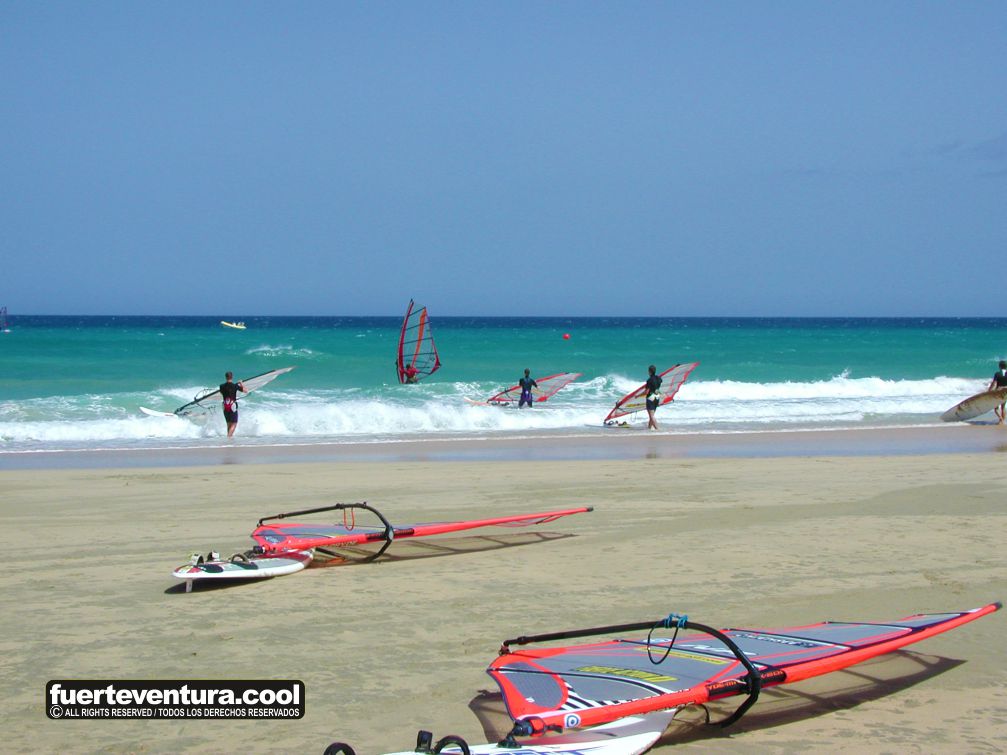
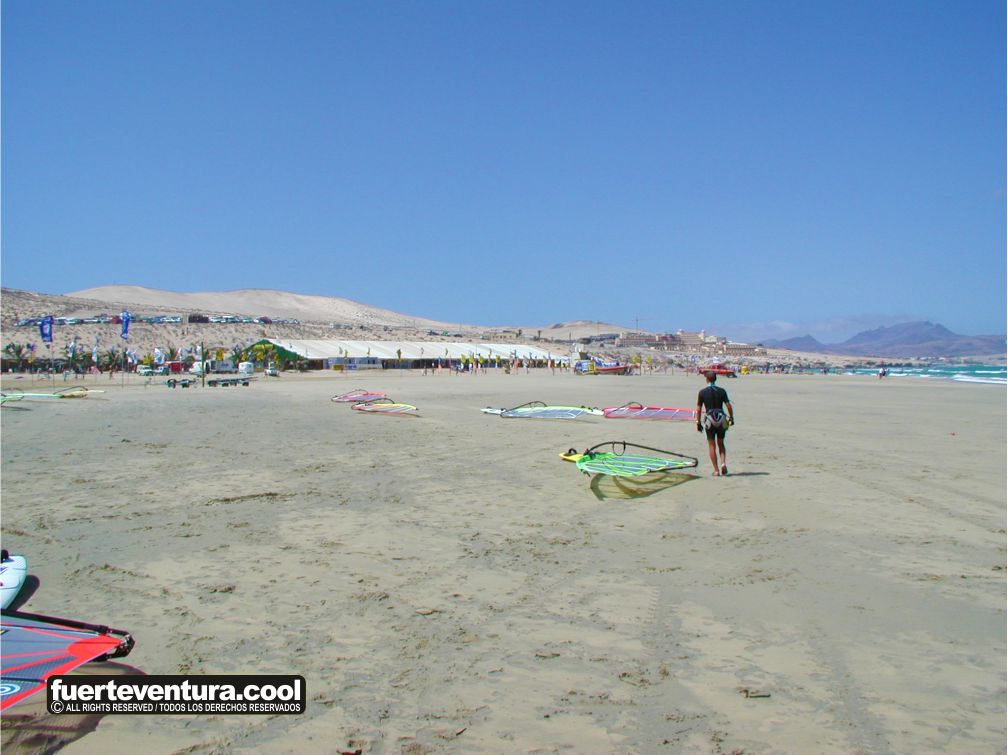
    Sotavento Beach stretches for nine kilometers and is divided into five areas: La Barca, Risco del Paso, Mirador, Malnombre, and Los Canarios. Each offers unique characteristics, from vast expanses of white sand to shallow waters ideal for families. The constant presence of wind makes Sotavento an ideal spot for water sports such as windsurfing, kitesurfing, and surfing. The lagoon that forms during low tide is perfect for beginners in these sports, as the water is shallow and the currents are gentle.


    Recommended Activities and Experiences

    Water Sports

    Sotavento Beach is internationally recognized for its ideal conditions for windsurfing and kitesurfing. Throughout the year, high-level competitions are held, including the Kitesurf World Championship. Additionally, the lagoon formed at low tide is perfect for beginners. Here, tourists can enjoy windsurfing or kitesurfing lessons while experiencing the thrill of the waves and wind.

    Beach Walks

    With its expansive stretch of sand, Sotavento invites long walks while enjoying volcanic landscapes and panoramic views. The contrast between the dunes and the ocean creates a unique environment. Without a doubt, walking along this beach is an experience that connects visitors with the natural beauty of Fuerteventura.

    Nature Observation

    The area is home to a rich biodiversity, making it ideal for birdwatching and landscape photography. The tranquility of the beach, coupled with its pristine surroundings, offers the perfect refuge for nature lovers.


    Practical Tips for Visitors

    Best Time to Visit

    Spring and autumn are the best times to enjoy Sotavento Beach. During these months, temperatures are pleasant, and while the wind is constant, it is not as strong as in the summer. This makes for perfect weather to enjoy outdoor activities without the crowds typical of the high season.

    What to Bring

    It is recommended to bring sunscreen, a hat, water, and suitable footwear for walking on sand and rocks. Although some services are available in the surrounding areas, it is best to bring food and drinks as there are few establishments directly on the beach.

    Safety

    While the waters are generally calm, it is always important to exercise caution with the currents and wind. Before engaging in any water activities, it is advisable to check the day’s weather conditions.


    Frequently Asked Questions (FAQ)

    Is the beach suitable for families with children?

    Yes, especially in the areas where shallow lagoons form during low tide. It is a perfect place to enjoy with the family, with calm waters and safety.

    Are there services on the beach?

    Services on the beach are limited, so it is advisable to bring provisions and be prepared to spend several hours in nature without access to shops or restaurants.

    Is nudism allowed on the beach?

    Yes, Sotavento Beach is known for being a nudist-friendly area, particularly in its more secluded zones.


    Visitor Opinions and Experiences

    Visitors highlight the natural beauty of the beach and the tranquility it offers. Many praise the conditions for water sports and the opportunity to enjoy an untouched environment. However, some mention the lack of services on the beach and the need to bring provisions.

    “One of the best beaches I’ve ever visited, ideal for kitesurfing. Don’t miss it!” – Maria L., TripAdvisor
    “A virgin paradise with stunning views. Perfect for disconnecting and enjoying nature.” – Juan P., TripAdvisor
    “If you love windsurfing, this is the place for you. The conditions are perfect all year round.” – David R., Google Reviews


    Curiosities, Legends, or Little-Known Facts

    Sotavento Beach is known for its “two shores” phenomenon, where a sand barrier separates the waters into two shorelines, creating a natural lagoon. This phenomenon is largely due to the volcanic origin of the archipelago and the actions of the wind and tides. It’s a unique visual spectacle that attracts photographers and tourists alike.


    Connection with Other Nearby Points of Interest

    Salmo Viewpoint

    Located near the beach, it offers panoramic views of Sotavento and is a popular spot for photography. From the viewpoint, visitors can enjoy a unique perspective of the beach landscape and the Jandía Peninsula.

    Risco del Paso Beach

    Situated to the south of Sotavento, it is known for its calm waters and is ideal for families. It is also an excellent starting point for water sports such as windsurfing and kitesurfing.

    Mal Nombre Beach

    Known for its relaxed atmosphere and crystal-clear waters, Mal Nombre Beach is another nearby destination worth exploring. It offers a more peaceful experience, ideal for those looking to completely disconnect.

    Google map of the Sotavento beach in Fuerteventura.

    Sotavento Beach in Fuerteventura: A Natural Paradise to Discover Meta description: Discover Sotavento Beach in Fuerteventura: an expansive stretch of golden sand, crystal-clear waters, and a paradise for water sports enthusiasts. Introduction Sotavento Beach, located in the southeastern part of Fuerteventura, is one of the most outstanding natural gems in the Canary Islands. With its nine kilometers of golden sand and turquoise waters, it offers an idyllic setting for those seeking beauty, tranquility, and outdoor activities. It is renowned not only for its spectacular landscape but also as a favored destination for water sports lovers. History and Cultural Context Fuerteventura, the island that hosts Sotavento Beach, is the oldest in the Canary Archipelago. Its history is marked by the presence of the indigenous Majos, who inhabited the island before the arrival of Europeans. Sotavento Beach, in particular, was formed by the accumulation of sand brought by the winds and ocean currents, creating a unique and well-preserved landscape. Over the years, it has become a meeting point for both tourists and locals, attracting those who wish to connect with nature in its purest form. Exact Location and How to Get There Sotavento Beach is located on the Jandía Peninsula, in the southern part of Fuerteventura. To get there from the northern part of the island, you can take the FV-2 road heading south until you reach the town of Costa Calma. From there, the beach can be accessed via unpaved roads, so it is recommended to use a 4×4 vehicle. The route is straightforward and well signposted, making the beach easily accessible to visitors. Detailed Description of the Place Sotavento Beach stretches for nine kilometers and is divided into five areas: La Barca, Risco del Paso, Mirador, Malnombre, and Los Canarios. Each offers unique characteristics, from vast expanses of white sand to shallow waters ideal for families. The constant presence of wind makes Sotavento an ideal spot for water sports such as windsurfing, kitesurfing, and surfing. The lagoon that forms during low tide is perfect for beginners in these sports, as the water is shallow and the currents are gentle. Recommended Activities and Experiences Water Sports Sotavento Beach is internationally recognized for its ideal conditions for windsurfing and kitesurfing. Throughout the year, high-level competitions are held, including the Kitesurf World Championship. Additionally, the lagoon formed at low tide is perfect for beginners. Here, tourists can enjoy windsurfing or kitesurfing lessons while experiencing the thrill of the waves and wind. Beach Walks With its expansive stretch of sand, Sotavento invites long walks while enjoying volcanic landscapes and panoramic views. The contrast between the dunes and the ocean creates a unique environment. Without a doubt, walking along this beach is an experience that connects visitors with the natural beauty of Fuerteventura. Nature Observation The area is home to a rich biodiversity, making it ideal for birdwatching and landscape photography. The tranquility of the beach, coupled with its pristine surroundings, offers the perfect refuge for nature lovers. Practical Tips for Visitors Best Time to Visit Spring and autumn are the best times to enjoy Sotavento Beach. During these months, temperatures are pleasant, and while the wind is constant, it is not as strong as in the summer. This makes for perfect weather to enjoy outdoor activities without the crowds typical of the high season. What to Bring It is recommended to bring sunscreen, a hat, water, and suitable footwear for walking on sand and rocks. Although some services are available in the surrounding areas, it is best to bring food and drinks as there are few establishments directly on the beach. Safety While the waters are generally calm, it is always important to exercise caution with the currents and wind. Before engaging in any water activities, it is advisable to check the day’s weather conditions. Frequently Asked Questions (FAQ) Is the beach suitable for families with children? Yes, especially in the areas where shallow lagoons form during low tide. It is a perfect place to enjoy with the family, with calm waters and safety. Are there services on the beach? Services on the beach are limited, so it is advisable to bring provisions and be prepared to spend several hours in nature without access to shops or restaurants. Is nudism allowed on the beach? Yes, Sotavento Beach is known for being a nudist-friendly area, particularly in its more secluded zones. Visitor Opinions and Experiences Visitors highlight the natural beauty of the beach and the tranquility it offers. Many praise the conditions for water sports and the opportunity to enjoy an untouched environment. However, some mention the lack of services on the beach and the need to bring provisions. “One of the best beaches I’ve ever visited, ideal for kitesurfing. Don’t miss it!” – Maria L., TripAdvisor “A virgin paradise with stunning views. Perfect for disconnecting and enjoying nature.” – Juan P., TripAdvisor “If you love windsurfing, this is the place for you. The conditions are perfect all year round.” – David R., Google Reviews Curiosities, Legends, or Little-Known Facts Sotavento Beach is known for its “two shores” phenomenon, where a sand barrier separates the waters into two shorelines, creating a natural lagoon. This phenomenon is largely due to the volcanic origin of the archipelago and the actions of the wind and tides. It’s a unique visual spectacle that attracts photographers and tourists alike. Connection with Other Nearby Points of Interest Salmo Viewpoint Located near the beach, it offers panoramic views of Sotavento and is a popular spot for photography. From the viewpoint, visitors can enjoy a unique perspective of the beach landscape and the Jandía Peninsula. Risco del Paso Beach Situated to the south of Sotavento, it is known for its calm waters and is ideal for families. It is also an excellent starting point for water sports such as windsurfing and kitesurfing. Mal Nombre Beach Known for its relaxed atmosphere and crystal-clear waters, Mal Nombre Beach is another nearby destination worth exploring. It offers a more peaceful experience, ideal for those looking to completely disconnect. Google map of the Sotavento beach in Fuerteventura. Sources and References TripAdvisor – Sotavento Beach Fuerteventura.es VisitFuerteventura.com Sapos y Princesas In Viaggio Alle Canarie
    Sources and References

  • Pozo Negro Beach

    Pozo Negro Beach in Fuerteventura: A Complete Visitor’s Guide

    Discover Pozo Negro Beach in Fuerteventura, a place of volcanic beauty and tranquility. Learn about its history, how to get there, what to do, and useful tips to make the most of your visit.


    Introduction to Pozo Negro Beach

    Located on the east coast of Fuerteventura, Pozo Negro Beach is a unique destination that combines volcanic landscapes, a peaceful fishing village, and a fascinating history. Unlike other more touristy beaches on the island, here you will find a serene and authentic atmosphere, ideal for those looking to escape the crowds and connect with the essence of Fuerteventura.


    History and Cultural Context

    Pozo Negro has been a key point in the island’s history. Its natural bay was used as a landing site by the Norman conquerors in the 15th century. Additionally, nearby lies the La Atalayita archaeological site, an ancient settlement of the Mahos (the aboriginal people of Fuerteventura), offering a glimpse into the island’s past.


    Location and How to Get There

    Pozo Negro Beach is located between Las Salinas del Carmen and Gran Tarajal, within the municipality of Antigua. To get there:

    • By car: From Puerto del Rosario, take the FV-2 southbound and turn onto the FV-420, which will lead you directly to Pozo Negro in about 5 km.
    • By public transport: There are no direct bus services, so renting a car is recommended.
    • GPS Coordinates: 28.3546° N, 14.0168° W

    Beach Description and Natural Environment

    Pozo Negro Beach is approximately 310 meters long and 12 meters wide, with dark sand and volcanic pebbles. Its waters are calm and crystal-clear, perfect for a relaxing swim. The surrounding landscape is arid and marked by lava flows, creating a stunning contrast between the deep blue of the Atlantic and the dark volcanic terrain.

    The village of Pozo Negro, with its whitewashed houses and small fishing boats, adds a picturesque and authentic touch to the experience.


    Recommended Activities and Experiences

    1. Local Cuisine: Enjoy fresh fish and seafood at the village’s restaurants.
    2. Hiking: Explore the volcanic surroundings and visit the La Atalayita archaeological site.
    3. Astrotourism: Thanks to low light pollution, it is an excellent spot for stargazing.
    4. Snorkeling: While the beach isn’t a typical golden sand beach, its clear waters offer excellent underwater visibility.

    Practical Tips for Visitors

    • Best time to visit: Spring and autumn offer pleasant temperatures and fewer tourists.
    • What to bring: Sunscreen, comfortable footwear (due to the pebbles), and a light jacket for the evening.
    • Safety: While the waters are generally calm, always check sea conditions before swimming.

    Frequently Asked Questions (FAQ)

    Can you swim at Pozo Negro Beach?

    Yes, although the presence of pebbles makes water shoes advisable.

    Are there facilities like sunbeds or umbrellas?

    No, it is a virgin beach with no tourist facilities.

    Is nudism allowed?

    Yes, although it is not an official nudist beach, it is common to see visitors practicing it.


    Visitor Reviews and Experiences

    According to reviews on platforms like TripAdvisor and Google Reviews, here are some highlighted comments:

    • “A hidden gem of Fuerteventura where tranquility is absolute.”
    • “I loved the combination of volcanic sand, sea, and clear blue skies.”
    • “A perfect place to disconnect and enjoy the true essence of the island.”

    Check full reviews on TripAdvisor and Google Reviews.


    Curiosities and Lesser-Known Facts

    • Origin of the Name: It is called Pozo Negro (Black Well) due to a natural well located in a black lava flow near the sea.
    • Geological Formation: The bay was formed thousands of years ago by volcanic eruptions from the Liria and La Laguna craters.

    Connections to Nearby Attractions

    1. Las Salinas del Carmen: A museum about traditional salt production.
    2. Gran Tarajal: A coastal town with a lively local scene.
    3. La Atalayita: An aboriginal archaeological site.

    Conclusion and Call to Action

    Don’t miss the opportunity to discover Pozo Negro Beach, a unique spot in Fuerteventura where nature, history, and tranquility come together. Plan your visit and enjoy an unforgettable experience.

    Google map of the Pozo Negro beach in Fuerteventura.

    Sources and References

  • La Solapa Beach

    La Solapa Beach in Fuerteventura: A Complete Guide to Discover This Hidden Gem

    Discover La Solapa Beach in Fuerteventura, a wild and uncrowded beach with dark sand and a stunning natural environment. Learn how to get there, what to do, and the best tips to enjoy it.


    Introduction

    Fuerteventura is renowned for its spectacular beaches and volcanic landscapes, and among its lesser-explored treasures is La Solapa Beach. Located on the island’s west coast, this beach stands out for its golden and black sand, powerful waves, and peaceful atmosphere, making it ideal for those seeking a retreat away from the tourist crowds. In this complete guide, you will find everything you need to visit and enjoy this paradise.


    History and Cultural Context

    Although there is no extensive documented history about La Solapa Beach, its name already suggests its essence: “Solapa” means “hidden” or “concealed,” reflecting the sense of seclusion and tranquility experienced here. Over the years, the beach has served as a natural refuge for visitors looking to disconnect and immerse themselves in the beauty of the surroundings.


    Exact Location and How to Get There

    La Solapa Beach is located in the municipality of Pájara, on the west coast of Fuerteventura. To get there from the town of Pájara:

    1. Take the FV-605 road towards La Pared and Costa Calma.
    2. After 1.5 km, you will pass a turn-off towards Ajuy; keep going straight.
    3. About 4 km from Pájara, you will see a wooden sign that reads “La Solapa – Garcey.”
    4. Turn right and follow the dirt road for about 4 km until you reach the parking area near the beach.

    The dirt road is accessible, but it is recommended to drive with caution.


    Detailed Description of the Place

    La Solapa Beach is approximately 400 meters long and has an average width of 30 meters. Its sand combines golden and black tones, with small pebbles that glisten in the sunlight. The strong waves and rock formations create a spectacular landscape. During low tide, crystal-clear coves are revealed, perfect for exploration and photography.


    Recommended Activities and Experiences

    • Hiking: Explore nearby trails with breathtaking views of the Atlantic Ocean.
    • Photography: The combination of dark sand and rock formations creates unique settings.
    • Nature Observation: Possibility of spotting birds and marine life.
    • Relaxation and Disconnection: Ideal for enjoying the sound of the sea without crowds.

    Practical Tips for Visitors

    • Best Time to Visit: Spring and autumn offer pleasant temperatures.
    • What to Bring: Sunscreen, water, appropriate footwear, and a camera.
    • Safety: Avoid swimming if the waves are strong and always be mindful of sea conditions.
    • Facilities: There are no bars or restaurants, so bring everything you need for your visit.

    Frequently Asked Questions (FAQ)

    Is La Solapa Beach safe for swimming?

    Due to strong currents, caution is advised when swimming.

    Are there facilities on the beach?

    There are no services, so it is recommended to bring your own supplies.

    Is it suitable for families with children?

    It is not the best option for small children due to the strong waves.

    Is nudism allowed?

    Yes, the beach is frequented by those who practice nudism.


    Visitor Reviews and Experiences

    La Solapa Beach has received excellent reviews from visitors. Some highlighted comments:

    • “A beautiful beach with black and golden sand, featuring impressive rock formations.” (TripAdvisor)
    • “Incredibly peaceful, perfect for relaxing away from the crowds.” (Minube)

    Curiosities and Little-Known Facts

    • Film Location: Part of the Marvel movie Eternals was filmed here.
    • Geological Formations: Rocks detached from the mountain create unique coves visible at low tide.

    Connection with Other Nearby Attractions

    • Garcey Beach: Famous for the wreck of the American Star.
    • Ajuy: Known for its sea caves and geological history.

    Don’t miss the opportunity to discover La Solapa Beach! Plan your visit and immerse yourself in one of Fuerteventura’s most spectacular landscapes.

    Google map of the Castillo beach in Fuerteventura.

    Sources and References

  • Garcey and Vigocho Beach

    Garcey and Vigocho Beach in Fuerteventura: A Hidden Paradise on the West Coast

    Discover the wild beauty of Garcey and Vigocho Beach in Fuerteventura. History, tips, activities, and how to get to this hidden paradise.


    Introduction

    Located on the west coast of Fuerteventura, Garcey and Vigocho beaches are two hidden gems offering breathtaking landscapes and unparalleled tranquility. Known for their unspoiled surroundings and remote atmosphere, they are the perfect destination for those looking to disconnect from the tourist crowds and connect with nature.


    History and Cultural Context

    Garcey Beach is famous for the wreck of the SS American Star in 1994, a luxury ocean liner that ran aground on its shores and attracted the attention of tourists and photographers for years until it completely disappeared beneath the sea.

    Vigocho Beach, also known as Chiguigos Beach, has historically been a stopping point for fishermen and locals seeking refuge on its sheltered shore.


    Location and How to Get There

    The beaches are located in the municipality of Pájara, in southwestern Fuerteventura.

    How to get there:

    • By car: From Pájara, take the FV-605 and after approximately 4 km, turn right onto a dirt road leading directly to the coast.
    • Recommendation: A high-clearance vehicle is advised, as the road can be in irregular condition.

    Description of the Place

    Garcey Beach

    • Size: Approximately 500 meters.
    • Features: White and black sand with some rocks, surrounded by impressive cliffs.
    • Iconic views: Former site of the SS American Star shipwreck.

    Vigocho Beach

    • Atmosphere: Smaller and more secluded, with grey-black sand and unique rock formations.
    • Ideal for: Hiking, photography, and nature observation.

    Recommended Activities and Experiences

    • Hiking: There are trails connecting to La Solapa Beach, offering spectacular views.
    • Photography: The contrasts of sand, cliffs, and geological formations make this a unique place to capture unforgettable images.
    • Nature observation: The area is home to seabirds and offers an atmosphere of absolute peace.

    Practical Tips for Visitors

    • Best time to visit: Spring and autumn are ideal due to the mild weather and fewer tourists.
    • What to bring: Water, food, sunscreen, a hat, and proper footwear for walking.
    • Safety: Avoid swimming due to strong currents and unpredictable waves.

    Frequently Asked Questions (FAQ)

    Are there any services available on the beaches?

    No, it is essential to bring everything you need, as there are no restaurants or restrooms in the area.

    Is it safe to swim at Garcey and Vigocho Beach?

    Swimming is not recommended due to strong currents and the lack of lifeguards.

    Can any type of vehicle access the beaches?

    Yes, but a high-clearance car is recommended due to the road conditions.


    Visitor Reviews and Experiences

    “A beautiful and wild beach. A ship ran aground here years ago, and now only the hull remains. You can take a walk north to visit other beaches. Not very crowded.” (TripAdvisor)

    “A secluded beach away from all civilization, with somewhat wild characteristics and a desert landscape.” (Wikiloc)


    Curiosities and Lesser-Known Facts

    • SS American Star Shipwreck: Although no longer visible, it was one of the most iconic shipwrecks in the Canary Islands.
    • Geological formations: Erosion has created caves and unique rock structures along the coast.

    Connection with Other Nearby Attractions

    • La Solapa Beach: Located to the north, it offers a similar landscape and is ideal for those seeking further exploration.
    • Pájara Village: A charming place to rest and enjoy local cuisine before heading to the beaches.

    Plan Your Visit

    Don’t miss the opportunity to enjoy a unique experience at Garcey and Vigocho Beach. Explore their wild beauty, immerse yourself in their history, and disconnect in one of Fuerteventura’s most remote spots.

    Google map of the Garcey and Vigocho beach in Fuerteventura.

    Sources and References