Fuerteventura on Film: Discover the Island Through the Lens
Fuerteventura, the great set of the Atlantic. Explore how this paradise island has captivated filmmakers, brands and creators with its natural magic and audiovisual potential.

Films, Series and Campaigns That Chose This Island Paradise as Their Backdrop
With its volcanic landscapes, endless beaches and exceptional natural light, Fuerteventura has become one of the most sought-after locations in the audiovisual industry. From major Hollywood productions to international fashion campaigns, the island has served as the perfect canvas for telling powerful visual stories.
This article takes you on a cinematic and advertising journey through Fuerteventura, exploring the films, TV series, documentaries, commercials and even reality shows that have been shot here. A guide created for film lovers, curious travellers and fans of visual culture who want to discover the island from a fresh perspective.
Beyond entertainment, cinema and advertising generate invaluable economic and promotional benefits. We’ll look at how these productions have impacted the local economy, and why Fuerteventura is becoming a world-renowned natural film set. Get ready to discover an island straight out of a movie.
This article contains the following sections:
- Introduction
- Holidays for Film Lovers
- International Films Shot in Fuerteventura
- International TV Series Filmed in Fuerteventura
- Spanish Films Shot in Fuerteventura
- Spanish TV Series Filmed in Fuerteventura
- Documentaries and Reports
- Advertising Campaigns in Fuerteventura
- Reality Shows and Competitions Filmed in Fuerteventura
- Filming Locations in Fuerteventura
- Impact on the Local Economy
- Famous Film Shoots in Fuerteventura
- Fuerteventura as a Film Set
- Production Companies and Agencies in Fuerteventura
- Dreamland Studios in Fuerteventura
- Conclusion
Introduction: Fuerteventura, a Cinematic and Advertising Paradise
Fuerteventura is not just a tourist paradise; it’s also a dream setting for the audiovisual industry. Its volcanic landscapes, endless dunes, untouched beaches and year-round natural light make this Canary Island an open-air set brimming with endless possibilities. This unique blend of wild nature and stable weather conditions has captured the attention of film, television and advertising producers from around the globe.
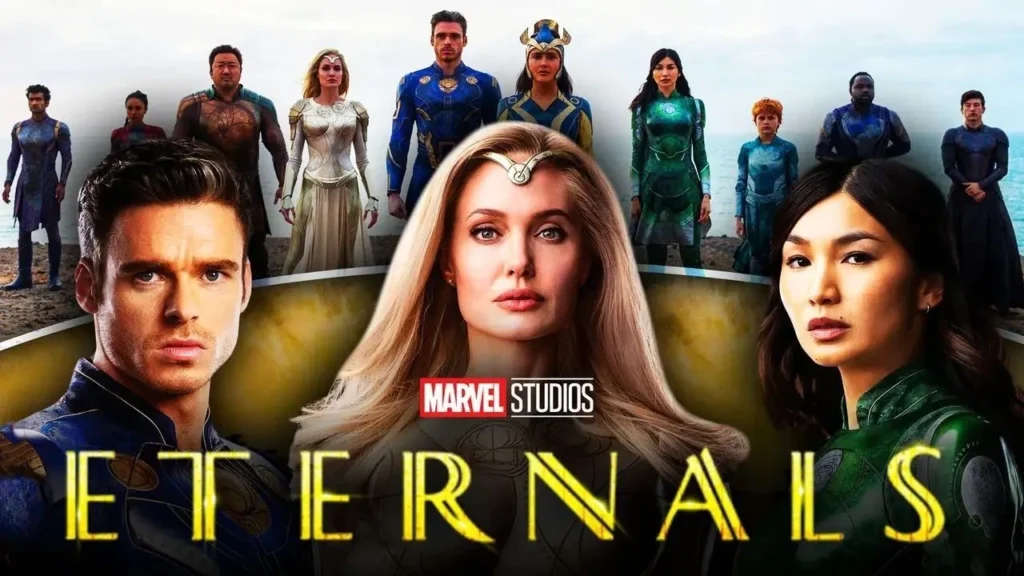
In recent years, the island has experienced a true boom in film and media productions. From Hollywood blockbusters like Exodus: Gods and Kings and Eternals, to high-end fashion campaigns by international brands such as TOUS and Dolce & Gabbana, as well as documentaries, Spanish TV series and even reality shows. Every corner of Fuerteventura offers a distinct visual identity: from Martian-like deserts to tropical coastlines, from barren landscapes to lunar plains.
But Fuerteventura’s appeal goes beyond its natural photogenic charm. The island also boasts a growing audiovisual infrastructure, streamlined filming permits, and the support of institutions like the Fuerteventura Film Commission. All of this makes the island a firmly established reference point for national and international productions—and a powerful global promotional engine for the region.
Holidays for Film Lovers: A Cinematic Getaway in Fuerteventura
More and more travellers today are looking for something beyond sun and sea during their holidays. They seek authentic experiences, want to be moved by real or fictional stories, and long to walk through the same landscapes they’ve seen on the big screen. Fuerteventura has become an ideal destination for these film-loving tourists, who find in the island a living set of their favourite movies and series.
Exploring Fuerteventura through the eyes of a viewer feels like stepping into a cinematic adventure: walking across the Corralejo dunes, where scenes from Wonder Woman 1984 were filmed, or discovering the wild beaches of Cofete, which served as a backdrop for Solo: A Star Wars Story. Even the island’s most remote areas, like the volcanic plains of the south, evoke fantastic worlds used by Marvel or Ridley Scott to portray distant planets or ancient times.
This type of tourism offers a unique opportunity to promote the island through a cultural and experiential lens. Guided tours of filming locations, photography excursions or simply a themed getaway can turn an ordinary holiday into an unforgettable experience. In Fuerteventura, you don’t just watch the film—you live it.
International Films Shot in Fuerteventura
International cinema has found an unparalleled visual ally in Fuerteventura. Acclaimed directors and major studios have chosen this Canary Island to bring their most ambitious stories to life, using its natural landscapes as epic, mystical or futuristic settings. Here are some of the most notable films that have taken Fuerteventura to the big screen:
Exodus: Gods and Kings (2014)
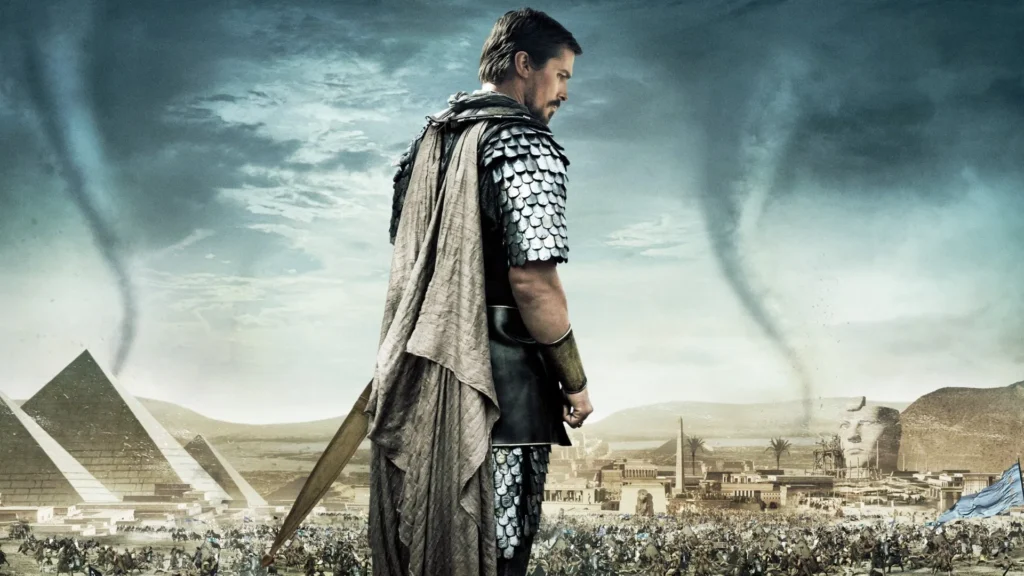
Directed by Ridley Scott, this epic production retells the biblical story of Moses. Fuerteventura was chosen to represent the Egyptian desert, particularly the areas of Cofete and Las Peñitas. The island’s natural conditions allowed for spectacular filming with minimal digital effects, lending authenticity to the scenes.
Solo: A Star Wars Story (2018)
The galactic saga landed in Fuerteventura to transform its beaches and deserts into the fictional planet Savareen. Lucasfilm set up a massive on-location base on the southern coast at Cañada de la Barca. It was one of the island’s most talked-about shoots due to its secrecy and impressive technical scale.
Wonder Woman 1984 (2020)
DC Comics’ superheroine also found the perfect setting for her feats in Fuerteventura. Several action scenes were filmed in the Corralejo dunes and along coastal areas of the island, providing a striking and exotic backdrop to the Gal Gadot-led blockbuster.
Eternals (2021)
Marvel Studios chose Fuerteventura to portray alien landscapes in Eternals. The volcanic plains and arid scenery of the Jandía Natural Park served as the backdrop for several key scenes. The island’s unique aesthetic contributed to the film’s cosmic atmosphere, directed by Chloé Zhao.
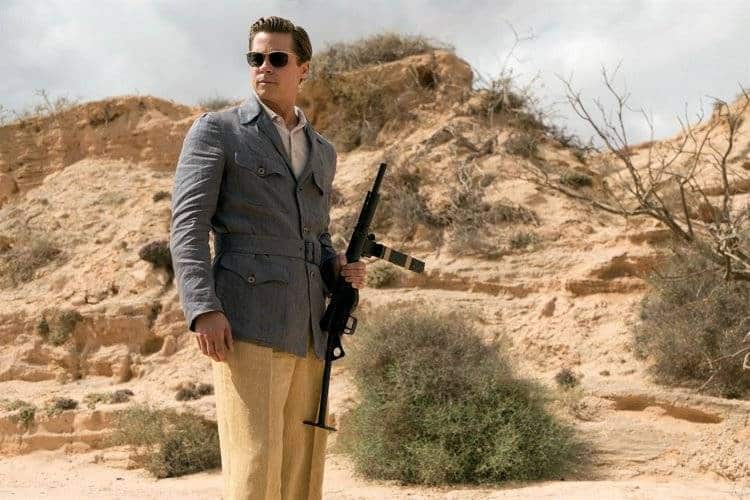
Allied (2016)
Starring Brad Pitt and Marion Cotillard, this World War II drama included scenes filmed in Fuerteventura, standing in for North African settings. Director Robert Zemeckis took advantage of the island’s stable climate and vast open spaces, allowing for a smooth and logistically simple shoot.
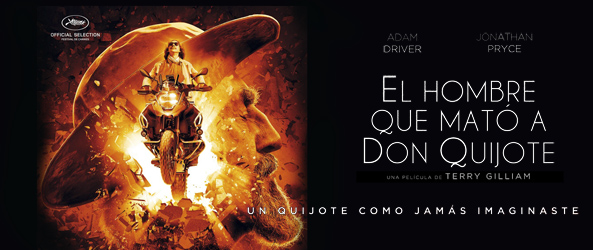
The Man Who Killed Don Quixote (2018)
After years of setbacks, Terry Gilliam finally managed to complete this long-awaited film, partly shot in Fuerteventura. The island’s landscapes offered a perfect mix of dreamlike and arid elements, fitting Gilliam’s surreal take on the legendary tale of Don Quixote.
These major productions have not only put Fuerteventura firmly on the global film map, but also left behind an audiovisual legacy that continues to attract visitors, enthusiasts and new projects. Quiet and versatile, the island transforms in front of the camera into whatever the story demands.
International TV Series Filmed in Fuerteventura
Fuerteventura’s diverse landscapes and stable climate have not only attracted major film productions, but also international TV series that have found in the island an ideal natural set. Streaming platforms and television networks have chosen to shoot episodes—and even entire seasons—in this corner of the Canaries, achieving stunning visual results.
Black Mirror – Episode “Men Against Fire” (Season 3, 2016)
The acclaimed British sci-fi series selected Fuerteventura’s arid, otherworldly terrain to depict a post-apocalyptic setting. Filmed in the El Jablito area and other desert-like locations in the north of the island, the episode combines technology and psychological horror, intensified by a backdrop that feels truly alien.
Foundation (2021 – Apple TV+)
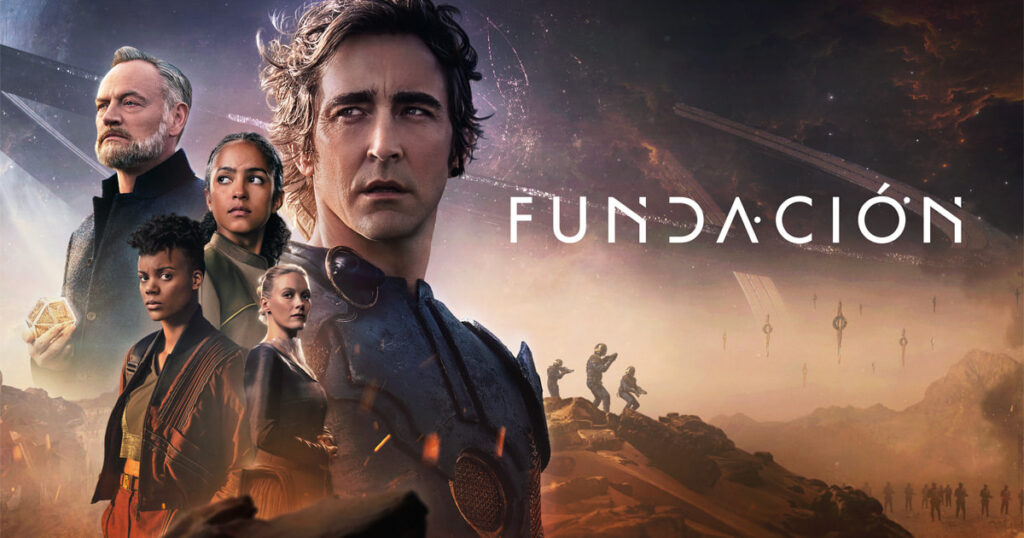
Based on the works of Isaac Asimov, this ambitious science fiction series used Fuerteventura as one of its locations to represent distant planets. Scenes were filmed in volcanic landscapes in the south of the island, particularly around La Pared and Cofete, lending striking visual drama to its galactic storyline.
The Witcher (Netflix – expanding production)
While not officially confirmed in all sources, some production reports and location scout activity suggest that parts of The Witcher’s fantasy universe may have used Fuerteventura for secondary scenes. The island’s natural aesthetic fits seamlessly with the medieval and magical landscapes of the series.
Doctor Who – Special Episode (in preparation or early filming)
According to leaks and social media posts from fans and location scouts, scenes for upcoming Doctor Who episodes have reportedly been filmed in locations across Fuerteventura. Although the BBC has not officially confirmed this, the presence of international production crews has fuelled speculation.
The growing trend of filming series in Fuerteventura is not only driven by the island’s visual appeal, but also by attractive tax incentives, simple logistics and its proximity to mainland Europe. All of this makes Fuerteventura a strategic destination for major content platforms looking to stand out in an increasingly competitive market.
Spanish Films Shot in Fuerteventura
Spanish cinema has found in Fuerteventura a landscape full of possibilities for telling stories rich in emotion, symbolism and visual beauty. From intimate dramas to social thrillers and auteur films, the island has become a go-to location for directors seeking authenticity, natural light and unique settings—all within national territory.
Even Dwarfs Started Small (1970) – Dir. Werner Herzog
Although not a Spanish production, this cult classic filmed in Fuerteventura during the 1970s had a major impact on European avant-garde cinema and marked a turning point in the island’s use as a film set. The harsh and barren locations provided a surreal backdrop for this unsettling story, shot entirely with a cast of little people.
The Ignorance of Blood (2014) – Dir. Manuel Gómez Pereira
This espionage-tinged thriller starring Juan Diego Botto and Paz Vega includes several scenes filmed in Fuerteventura, where urban and desert landscapes contribute to the film’s suspenseful atmosphere. The island is used to convincingly portray North African settings, a common cinematic device in Spanish film.
Operation Concha (2017) – Dir. Antonio Cuadri
A Spanish comedy with satirical undertones set in the world of cinema and film festivals, Operation Concha also features Fuerteventura in scenes that stand in for exotic locales. Though light in tone, the film highlights the island’s chameleon-like ability to adapt to different stories and genres.
The Strategy of the Pekingese (2019) – Dir. Elio Quiroga
This Canary Islands noir, based on the novel by Alexis Ravelo, was filmed between Gran Canaria and Fuerteventura. While much of the action takes place in urban settings, the island provides dramatic landscapes that enhance the tension of this crime story rooted in the archipelago.
White on White (2019) – Dir. Théo Court (Chile/Spain/Germany/France)
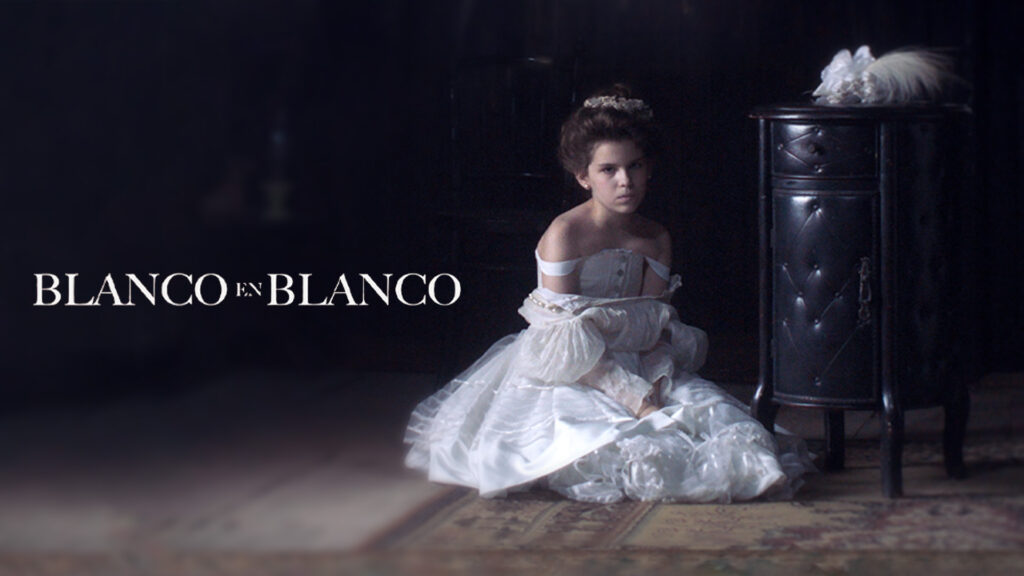
Partially shot in Fuerteventura, this haunting co-production recreates 19th-century Patagonia. The island stands in for the remote region, offering a rugged and open geography that intensifies the film’s bleak tone. White on White was awarded at the Venice Film Festival and praised for its visual power.
These productions prove that Fuerteventura is not only a setting for spectacular, commercial cinema, but also fertile ground for auteur filmmaking, drama, and bold creative ventures. The Spanish film industry, in all its diversity, has recognised the archipelago as both a source of inspiration and a valuable production hub.
Spanish TV Series Filmed in Fuerteventura
Spanish television has also tapped into the unique beauty of Fuerteventura to bring to life stories that require vastness, exoticism, or simply a different kind of atmosphere. The series filmed on the island span a wide range of genres—from comedy and drama to thrillers and action—highlighting its incredible versatility as a natural film set.
Hierro (2019–2022) – Movistar Plus+
Although the majority of this critically acclaimed series was filmed on the island of El Hierro, parts of the crew shot secondary scenes and additional landscapes in Fuerteventura. Its naturalistic aesthetic, paired with volcanic backdrops and desolate environments, aligned perfectly with the series’ visual style, enhancing the authentic Canarian setting as a compelling narrative background.
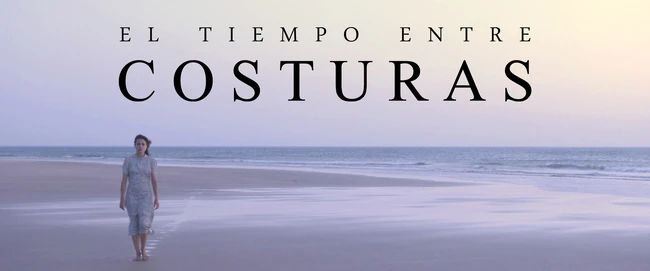
The Time in Between (2013–2014) – Antena 3
This hit series, based on the bestselling novel by María Dueñas, used several locations in Fuerteventura to portray colonial Morocco—particularly the southern areas of Cofete and Jandía. The lead character, played by Adriana Ugarte, experiences key moments of the story against the island’s warm light and arid landscapes, which convincingly stand in for North Africa.
La Ley del Mar (In Production, 2024–2025) – RTVE
This upcoming series tells the real-life story of a Spanish fishing boat that rescued dozens of migrants adrift at sea. Scenes have been filmed along the eastern coast of Fuerteventura, standing in for international waters. With its social and human focus, this production highlights the island’s potential for maritime shoots and socially engaged storytelling.
Montecristo (2023) – Movistar Plus+ / VIX+
Starring William Levy, this modern adaptation of Alexandre Dumas’ classic makes use of various locations across the Canary Islands, including Fuerteventura, for its ability to evoke luxury, isolation, and emotional tension. The island’s wild landscapes provide a perfect visual contrast to scenes of urban sophistication.
While still fewer in number than international productions, Spanish series are increasingly discovering Fuerteventura as a compelling setting. With tax incentives, good connectivity, and the ability to mimic anything from the Sahara desert to a Caribbean paradise, the island is quickly becoming a stronghold for national television fiction.
Documentaries and Reports: Fuerteventura in the Global Spotlight
Over the years, Fuerteventura has taken centre stage in numerous documentaries and reports that have highlighted its natural wealth, ancestral culture, volcanic landscapes, and unhurried way of life. These productions have helped present the island beyond its touristic appeal, positioning it as a place of ecological, ethnographic, and scientific interest.
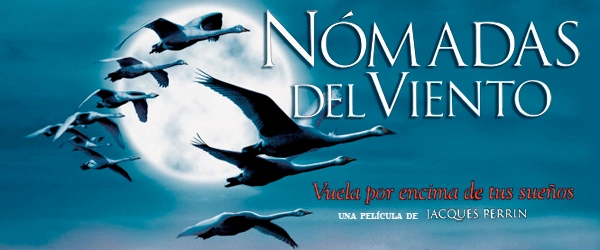
“Winged Migration” (2001) – Jacques Perrin
This award-winning documentary about bird migration filmed scenes in Fuerteventura, particularly around Las Salinas del Carmen and other eastern coastal areas, to capture the passage of birds through the Canary Islands. The island features as a key waypoint in migratory routes, offering a unique insight into its biodiversity.
“Canary Islands: Atlantic Oases” – National Geographic
Fuerteventura is featured in this stunning documentary produced by National Geographic that explores the biodiversity of the entire archipelago. The film highlights the island’s geological formations, endemic species such as the Egyptian vulture (guirre), and protected natural spaces like Corralejo Natural Park and Jandía.
“Wild Fuerteventura” – RTVE / La2 – Documentos TV
This Spanish documentary delves into the island’s lesser-known side: its native wildlife, lunar-like landscapes, and geological history, which marks it as one of the oldest islands in the Canaries. A must-see for those seeking a deeper connection with nature.
Fashion, Sports, and Lifestyle Features – Vogue, Red Bull, Canal Viajar, among others
Fuerteventura has also served as the backdrop for editorial features in publications like Vogue España, which has staged photo shoots in its dunes and beaches, as well as for sports documentaries produced by Red Bull, focusing on surf, kitesurf, and windsurf—signature sports on the island. The island has also appeared in travel programmes such as Planeta Calleja, showcasing its landscapes and culture from an adventurous, down-to-earth perspective.
“Planeta Calleja” (with Jesús Calleja)
Although not always dedicated solely to Fuerteventura, the programme has featured locations on the island while exploring the archipelago. The show’s mix of adventure, nature, and sustainable tourism makes it an excellent platform for highlighting Fuerteventura’s striking scenery.
These productions help consolidate Fuerteventura’s image not just as a holiday destination, but as a place of identity, heritage, scientific interest, and natural beauty. Its presence in renowned media outlets and international documentaries strengthens its role as a documentary island and a source of audiovisual inspiration.

Advertising Campaigns in Fuerteventura: The Perfect Showcase for Leading Brands
Fuerteventura has become a top destination for advertising agencies, fashion houses, sports brands, and international companies seeking striking locations, excellent natural light, and a near-cinematic aesthetic for their campaigns. Thanks to its diverse landscapes—endless beaches, sweeping dunes, deserts, volcanoes, and picturesque villages—the island has served as the backdrop for television commercials, digital spots, fashion editorials, and product launches.
Chanel – “Paris-Dakar” Fashion Campaign (2023)
French fashion house Chanel chose the dunes of Corralejo and the volcanic surroundings of the island’s south to set the scene for one of its capsule collections, inspired by the adventurous spirit of the desert. The images were shared across social media, press, and fashion media worldwide, reinforcing Fuerteventura’s aesthetic as a symbol of wild elegance.
Adidas – “Run Wild” Campaign
Adidas used Fuerteventura’s rugged and volcanic terrain for an international campaign centred on trail running and connection with nature. The spot featured athletes running along coastal paths, interspersed with aerial shots of majestic landscapes, underscoring the campaign’s message of freedom and energy.
Vogue – Fashion Editorial
The iconic magazine has carried out several photo shoots on the island, making the most of the soft morning light and natural contrasts between white beaches and black volcanic rock. These editorials have appeared in both print and digital editions, giving international exposure to Fuerteventura’s unique landscape.
Toyota – 4×4 SUV Commercial
A television ad for one of Toyota’s off-road SUV models was filmed in areas like Betancuria and La Pared. The vehicle is shown tackling sand, rock, and mountainous terrain, highlighting its toughness in a truly wild environment.
Red Bull – Extreme Sports Campaigns
Red Bull has produced multiple shoots on the island, focusing on surfing, windsurfing, and kitesurfing, especially in hotspots like El Cotillo and Sotavento. Fuerteventura provides not only stunning visuals but also real wind and wave conditions to showcase the performance of athletes and gear.
Institutional Campaigns – Turismo de Canarias
Beyond private brands, institutional campaigns have also been developed to promote the island as a tourist destination under the Islas Canarias brand. These emotionally charged and visually rich ads position Fuerteventura as a “place that touches the soul”, echoing one of the recent slogans.
These campaigns have played a key role in placing Fuerteventura in the global consumer’s mind. Brands are drawn not only to its beauty but also to its authenticity, range of settings, and ideal technical conditions for shoots: good weather, production services, and streamlined permitting. The result is constant visibility in international media, with Fuerteventura becoming synonymous with style, freedom, and nature.

Reality Shows and Competitions Filmed in Fuerteventura
The spectacular natural environment of Fuerteventura has not only captivated the film and advertising industries but has also served as the backdrop for numerous reality shows, TV competitions, and adventure programmes. Its stable climate, diverse landscapes, and exotic appearance—without leaving Europe—have made the island an ideal location for such productions, which require straightforward logistics and visually appealing settings.
Survivor – Telecinco (Special Editions and Isolated Challenges)
Although most of the reality show is filmed in Honduras, some editions have included challenges, castings, and promotional content shot on the beaches of Fuerteventura, particularly in Costa Calma and the dunes of Corralejo. The island provided the perfect backdrop to showcase the harshness of the environment before the international jump.
La Isla – La Sexta (2017)
This extreme survival reality show, produced by Globomedia and hosted by Pedro García Aguado, was filmed entirely in Fuerteventura. Fourteen participants with no experience or resources had to survive for weeks without help, and the island offered the perfect balance of isolation, physical challenge, and wild beauty.
Married at First Sight – UK (Channel 4 / E4)
The British version of the successful dating show has chosen Fuerteventura multiple times as the destination for the newlywed couples’ honeymoons. The island’s luxury hotels, beaches, and desert-like landscapes have provided the perfect setting for romantic episodes filled with tension… and television drama.
Expedición Imposible – Cuatro (2013)
An adventure and endurance competition where couples had to complete physical and mental challenges while navigating through various terrains. Fuerteventura served as the location for several stages, thanks to its lunar landscapes, challenging routes, and the ability to offer extreme courses in close proximity.
Love Island – Germany (RTL II) and The Netherlands (RTL / Videoland)
This reality show of cohabitation and seduction has filmed several seasons in villas located on the island, particularly in the north (Lajares, Villaverde) and near El Cotillo. The luxury homes with sea views, constant sunshine, and open spaces are ideal for this kind of format.
Fitness and Wellness Programmes and Campaigns
Influencers, personal trainers, and health brands have chosen Fuerteventura to film reality shows and wellness programmes. Some Netflix Fitness content, channels like MTV Spain, and platforms such as YouTube Originals have produced challenges and training camps on the island.
These types of programmes not only provide global visibility to the island but also attract a young and adventurous audience. The locations used often become tourist hotspots after the shows air, once again showcasing Fuerteventura’s immense potential as a versatile filming location for the audiovisual industry.
Filming Locations in Fuerteventura: Cinematic Routes Across the Island
Fuerteventura is not only a paradise for tourists but also a natural film set that has seen its landscapes become the perfect backdrop for cinematic productions, TV series, documentaries, and advertising campaigns. Every corner of the island has its own visual story, and the locations chosen for filming have become landmarks for both film enthusiasts and curious travellers. Here, we present some of the most iconic locations in Fuerteventura, which are not only beautiful but also rich in audiovisual history.
1. The Dunes of Corralejo
The Dunes of Corralejo are one of Fuerteventura’s most iconic landscapes, with its stunning white sand and gentle hills. This natural space has been used in numerous cinematic productions as a backdrop for action films, adventures, and dramas. It is particularly known for its ability to portray exotic and desert-like landscapes, having been chosen for films like El Cielo Canario (1989) and international advertising campaigns.
Location on Google Maps: The Dunes of Corralejo
2. Cofete
The spectacular landscape of Cofete, a pristine beach surrounded by mountains and cliffs, has become a key location for many productions seeking an isolated and almost mystical environment. Solo (2018), a survival thriller, filmed a large portion of its scenes here, taking advantage of the isolation and untamed beauty of the place. Additionally, it is known for its historic Casa Winter, which has attracted filmmakers due to its mystery and enigmatic aura.
Location on Google Maps: Playa de Cofete
3. El Cotillo
This picturesque fishing village in the north of the island has been the backdrop for many productions due to its authentic appearance and natural beauty. The pristine beaches, with their crystal-clear waters and peaceful environment, have appeared in advertisements for brands like Adidas. Additionally, La Isla Mínima (2014), the acclaimed Spanish film, used the coasts of El Cotillo to simulate the coastal areas of Andalusia.
Location on Google Maps: El Cotillo
4. Betancuria
The former capital of Fuerteventura, Betancuria is a village with cobbled streets and traditional Canarian architecture. This location, with its mountainous surroundings and picturesque architecture, has been used in numerous films and TV series, particularly standing out in La Ley del Mar (2024), a series about fishing and adventure. Betancuria has also been chosen for documentaries to showcase the most authentic and rural side of the island.
Location on Google Maps: Betancuria
5. Jandía
The Jandía Peninsula, with its vast desert beaches and famous lighthouse, has been a privileged location for many film productions, especially to capture a sense of vastness and solitude. The unique landscape of Jandía is featured in the action thriller La Ignorancia de la Sangre (2014), and it is also popular for advertising shoots, particularly for brands wanting to convey a sense of adventure and freedom.
Location on Google Maps: Faro de Jandía
6. La Pared
With its impressive cliffs and turquoise waters, La Pared is another of the most frequently used locations for water sports filming, particularly in the realm of surfing. The series Los Serrano (2003-2008) used several local locations, and the island continues to be a paradise for extreme sports, especially for surfers, who frequently mention it in their reports.
Location on Google Maps: La Pared
7. El Tostón (El Cotillo)
The Tostón Tower, located near El Cotillo, is another significant visual attraction. This 18th-century defence tower has been used in several tourism campaigns and series that highlight the island’s history and monuments. It’s an ideal location to capture the historical essence of Fuerteventura.
Location on Google Maps: Torre del Tostón
These are just some of the main locations that have been used as filming sites in Fuerteventura. Each one has its own unique character and offers the perfect opportunity to explore the island while immersing yourself in its audiovisual history. These sites are not only ideal for film lovers but also allow visitors to enjoy the nature and culture of Fuerteventura from a different perspective.
Impact on the Local Economy: The Positive Effect of Audiovisual Productions in Fuerteventura
Cinematic, television, and advertising productions filmed in Fuerteventura have a direct and significant impact on the local economy. From job creation to boosting tourism and commerce, the audiovisual world has become one of the island’s main allies in driving economic growth. Below, we break down how this industry positively contributes to the economy of Fuerteventura.
1. Job Creation and Indirect Employment
One of the most direct ways in which audiovisual productions impact the local economy is through the creation of both direct and indirect jobs. Local production companies, film crews, actors, and specialised technicians are hired to work at various stages of a production. Additionally, local service providers (transport, catering, equipment rentals, accommodation) benefit from the shoots. The arrival of these productions creates a temporary source of employment while also fostering the training of local professionals, leaving a lasting impact.
2. Boosting Tourism
Fuerteventura, being the setting for numerous films, series, and advertising campaigns, has seen an increase in tourist arrivals, particularly from those wanting to visit the places where their favourite productions were filmed. Iconic filming locations such as the Dunes of Corralejo, Cofete, and El Cotillo attract travellers who want to explore these settings, generating income in sectors such as accommodation, dining, transportation, and tourist activities. Tourists are not only drawn by the sun and beaches but also by the desire to experience the thrill of “walking in the same places” where their favourite series or films were shot.
3. International Promotion of the Island
Productions filmed in Fuerteventura have an enormous ability to promote the island internationally. Films, documentaries, and advertisements distributed globally present Fuerteventura to millions of people, shaping an image of the island as a top tourist and audiovisual destination. This visibility can lead to long-term growth in tourist numbers, especially from international markets such as Europe, America, and Asia, whose residents are more likely to visit an island they already recognise through these productions.
4. Investment in Infrastructure
The arrival of large productions in Fuerteventura is often accompanied by investments in infrastructure and improvements to local services. This includes everything from road enhancements to the installation of new accommodations and services for film crews. Productions also require high-quality telecommunications services, creating business opportunities for local companies in sectors such as technology and logistics.
5. Boost to Sectors such as Fashion, Sports, and Gastronomy
Fuerteventura is a key location for advertising campaigns for fashion, sports, and gastronomy brands. When major brands film their adverts on the island, it generates significant visibility for local shops and restaurants featured in the content. Furthermore, extreme sports, particularly surfing and kitesurfing, have a strong presence on the island, attracting more tourists interested in these activities. Sports brands promoting their products in Fuerteventura often bring sponsorships and collaborations with local companies, further boosting these sectors’ growth.
6. Establishment of Local Audiovisual Studios and Companies
The audiovisual industry also leads to the development of permanent infrastructure. With the increase in filming on the island, there is a demand for the installation of film studios, production agencies, and other related services. These studios not only facilitate filming but also serve as a base for future projects, potentially attracting international producers seeking a unique environment for their productions.
7. Encouragement of Entrepreneurship and Creativity
The audiovisual ecosystem fosters an environment conducive to local entrepreneurship. Emerging businesses offering services such as event production, animation, graphic design, special effects, and sound editing find Fuerteventura to be a platform for growing their businesses. This creative environment not only benefits local entrepreneurs but also offers opportunities for collaboration across various industries such as music, art, and graphic design.
8. Promotion of Sustainability
The growing interest in cinematic tourism and sustainable productions has led to the creation of eco-friendly initiatives. Many productions on the island are adopting responsible filming practices, such as using renewable energy, managing natural resources efficiently, and protecting protected areas. This not only helps preserve the natural environment but also attracts a sustainability-conscious audience, contributing to the development of more responsible tourism.
The economic impact of the audiovisual industry in Fuerteventura is undeniable. From job creation and international promotion to investments in infrastructure and boosting key sectors such as tourism, sports, and fashion, productions on the island contribute to a dynamic and ever-growing local economy. This industry has proven to be a driver of sustainable economic development, and its potential for expansion remains enormous.

Famous Film Shoots in Fuerteventura: When the Big Screen Chose the Island
Fuerteventura has caught the attention of major international production companies due to its wild beauty, natural light, and landscapes that seem to come from another planet. It is no coincidence that some of the most spectacular films of recent years have been shot here. The island has proven to be the perfect filming location for galactic epics, historical adventures, contemporary westerns, and post-apocalyptic thrillers.
Here, we review some of the most famous blockbusters filmed in Fuerteventura, analysing their impact and the role the island played in their visual narrative.
1. Exodus: Gods and Kings (2014)
Director: Ridley Scott
Cast: Christian Bale, Joel Edgerton, Ben Kingsley
Production: 20th Century Fox
The island was transformed into Ancient Egypt by the renowned Ridley Scott. Desert scenes were filmed in Sotavento and the Dunes of Corralejo, locations that simulated the vast landscapes of North Africa. The blockbuster brought hundreds of professionals to the island and had a great media impact, placing Fuerteventura on the map as one of the most attractive destinations for large-scale film shoots.
📍 Key locations: Risco del Paso, Corralejo Natural Park
2. Solo: A Star Wars Story (2018)
Director: Ron Howard
Production: Lucasfilm / Disney
Part of the Star Wars universe literally landed in Fuerteventura. The scenes on the planet Savareen, where part of the plot unfolds, were filmed in Cofete and La Pared. The production was shrouded in secrecy and featured spectacular technical displays. This shoot was key in solidifying the island’s status as a world-renowned cinematic destination.
📍 Key locations: Cofete Beach, La Pared Mountain
3. The Eternals (2021)
Production: Marvel Studios
Cast: Angelina Jolie, Richard Madden, Salma Hayek
Although part of the filming took place in Lanzarote, Fuerteventura also hosted key scenes for this Marvel Cinematic Universe production. Its desert landscapes provided the perfect backdrop for a mythological story with a cosmic scope. This shoot strengthened the Canary Islands’ presence as a set for big-budget productions and increased tourist interest in the natural settings featured on screen.
4. Wonder Woman 1984 (2020)
Director: Patty Jenkins
Star: Gal Gadot
Some scenes from this sequel of the DC superhero were filmed on the southern beaches of Fuerteventura, which simulated an exotic and unknown environment. Although the island was not officially mentioned in the promotion, local fans recognised the landscapes, and the production had a significant impact on the local economy.
5. Allied (2016)
Director: Robert Zemeckis
Cast: Brad Pitt, Marion Cotillard
This WWII-set romantic thriller also used locations in Fuerteventura to recreate the desert of North Africa. The scenes filmed here added authenticity to the film’s atmosphere and presented the island as a versatile and chameleon-like resource.
6. Solo (2018)
Director: Hugo Stuven
Spanish Production
This survival thriller, based on real events, was filmed entirely on Cofete Beach. The story tells of a surfer’s struggle for survival after falling off a cliff. Its realism and the rawness of the environment contributed to the authenticity of the film, making the natural surroundings of Fuerteventura a key character in the plot.
📍 Key location: Cofete Beach
7. Black Mirror – Season 6, Episode 1: “Joan is Awful” (2023)
Although not entirely filmed on the island, several exterior scenes from this episode of the popular Netflix dystopian series were shot in Fuerteventura. The island’s clean, arid, and modern aesthetic was a perfect fit for the satirical and surreal tone of the episode.
Impact and Repercussions
These productions have not only had a great promotional impact but have also brought direct economic benefits, promoted local hiring, and enhanced Fuerteventura’s international visibility as a cultural and tourist destination. Furthermore, they have helped to create a visual narrative of the island as a versatile space capable of representing everything from alien planets to ancient times.
The growing trend of international film shoots in Fuerteventura not only validates its potential as a natural set but also positions the island among the most important cinematic destinations in Europe. This could mark a turning point in its economic and tourism development model.
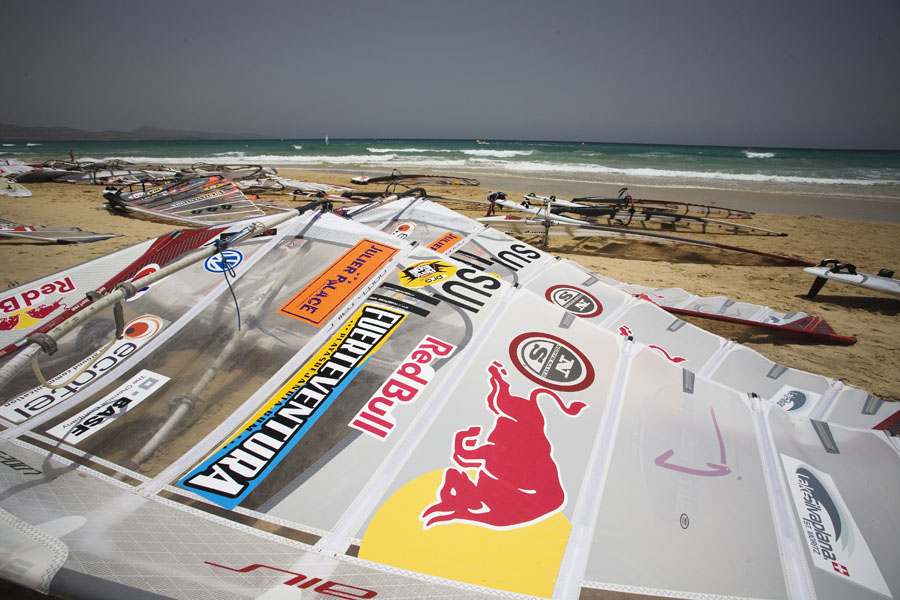
Fuerteventura as a Film Set: The Visual Soul of a Cinematic Island
Fuerteventura is not only a paradise for tourists, but also a natural canvas perfect for storytelling. Its unique geography, unmatched light, and singular atmosphere make the island one of the most attractive locations for the audiovisual industry. But what exactly makes Fuerteventura an ideal film set?
Let’s take a closer look.
Extraordinary Landscape Diversity
Within just a few kilometres, Fuerteventura offers a wide range of settings that can stand in for African deserts, alien planets, lunar landscapes, untouched beaches, rocky canyons, or remote villages. This geographical richness allows production teams to film a variety of scenes in one location, saving on logistics and travel costs. From the Corralejo Dunes to the cliffs of Ajuy, every corner has its own character.
Consistent Natural Light
One of the best-kept secrets among film professionals is the quality of light in Fuerteventura. Thanks to its geographic location, the island enjoys over 3,000 hours of sunshine per year, allowing for long filming days, abundant natural lighting, and a warm, consistent colour palette. This translates into a visual aesthetic highly appreciated by directors of photography.
Mild and Predictable Climate
Fuerteventura’s stable climate—with mild temperatures year-round and low rainfall—is another major asset. Production teams can plan shoots with fewer weather-related risks, leading to greater efficiency and better budget control.
Infrastructure and Accessibility
Despite being an island, Fuerteventura boasts good transport links, an international airport, functional road networks, and local companies equipped to support production logistics. Its proximity to Europe and Africa also makes it a strategic location for international filming, without the need for long-haul travel or complex customs procedures.
Attractive Tax Incentives
The Canary Islands offer highly competitive tax incentives for both national and international audiovisual productions. The special fiscal regime includes deductions of up to 50–54% for film productions and up to 45% for foreign productions shooting in the archipelago. This makes Fuerteventura not only visually striking, but also financially appealing.
Institutional and Professional Support
The Fuerteventura Island Council, along with entities such as Canary Islands Film and the Fuerteventura Film Commission, provide ongoing support for production companies. They help manage permits, advise on locations, and actively promote filming on the island. Additionally, more and more local professionals are being trained in the sector, increasing the availability of technical talent.
Low Urban Density
Unlike other overcrowded tourist destinations, Fuerteventura maintains a low level of population and urban development. This means “clean” landscapes, free of visual pollution or urban noise—ideal for immersive shoots and large-scale scenes.
Growing Reputation
Thanks to the filming of movies like Exodus, Solo: A Star Wars Story, and The Eternals, Fuerteventura has built a solid reputation as a natural film set. This image has been reinforced at film festivals, international production fairs, and professional networks, attracting companies that value quality, reliability, and results.
Temporal and Stylistic Versatility
The island can evoke any era—from ancient civilisations to dystopian futures. Its environment easily adapts to historical narratives, sci-fi adventures, post-apocalyptic dramas, or high-end fashion adverts. This chameleon-like visual identity is a treasure for creative minds in the audiovisual world.
Sustainability and Environmental Awareness
An increasing number of productions value environmental responsibility. Fuerteventura, with its protected surroundings and culture of respect for nature, aligns well with this trend. Some companies have even implemented “green” shoots that minimise ecological impact—enhancing both the project’s image and that of the island as a responsible filming destination.
Fuerteventura is not just a place where films are shot—it is an island that performs. Its on-screen presence is powerful, immersive, and often unforgettable. Whether disguised as Egypt, Mars, or a lost paradise, the island brings an authenticity that simply cannot be recreated on a studio set. That’s why it continues to attract the best cameras in the world.
Production Companies and Agencies in Fuerteventura: The Local Engine Behind the Camera
Beyond its landscapes and natural conditions, Fuerteventura has an indispensable asset for the success of audiovisual productions: local companies and professionals. Production companies, service agencies, technicians, location scouts, logistics providers… all form an increasingly solid network that supports the shoots arriving on the island from all over the world.
This human and business infrastructure not only streamlines production processes, but also offers international production companies the opportunity to work with teams that know the terrain, local regulations, and available resources.
1. Local Production Companies: Creativity and Experience from the Island
In recent years, several production companies and agencies have emerged in Fuerteventura, offering comprehensive services for shoots. These companies specialise in all types of projects: film, advertising, television, documentaries, or photo sessions. Some of the most prominent include:
- Fuerteventura Film Commission Services: advice, location scouting, and logistical coordination.
- Islas Producciones: specialising in documentary and cultural content.
- Macaronesia Films: based on several islands, it also operates actively in Fuerteventura with significant international experience.
- Volcano Films: one of the oldest in the Canary Islands for shoots, providing production services for large brands and films.
These production companies not only handle logistics but also bring creative value and technical solutions, which are often crucial for carrying out complex shoots in remote or inaccessible areas.
2. Location Agencies and Scouting: Knowing Every Corner Like No One Else
One of the greatest advantages of working with local professionals is their knowledge of the land. Fuerteventura’s location scouts know exactly which beach has the best light at sunset, which path leads quickest to a cliff with views, or which areas require special environmental protection permits.
These agencies play a vital role in the search for specific locations, adapted to the script, budget, and aesthetic needs of each production.
3. Local Logistics: Transport, Permits, and Accommodation
Logistics is a critical element in any shoot, especially when productions need to move teams, actors, technicians, and sensitive equipment. In this regard, Fuerteventura offers:
- Vehicle rental companies and specialised transport services.
- Accommodation services with agreements for productions.
- Advice and processing of filming permits in natural or protected areas.
- Catering and food services for large work teams in outdoor locations.
Coordination between local agencies and public administrations is becoming increasingly fluid, making it easier to execute projects quickly and efficiently.
4. Growing Local Technical and Artistic Talent
Thanks to the growth of the audiovisual sector, many Fuerteventura professionals are training in areas such as cinematography, sound, editing, makeup, wardrobe, or executive production. This growth in local talent allows many productions to reduce their reliance on teams brought in from outside, encouraging the creation of skilled jobs on the island.
Furthermore, it is increasingly common to hire local extras or island-based casting, which adds authenticity to scenes filmed in real locations.
5. Fuerteventura Film Commission: A Bridge Between the Island and the World
The Fuerteventura Film Commission is the official office supporting the audiovisual sector on the island. It offers free advice to production companies interested in filming in Fuerteventura, facilitating contacts with local providers, information on tax incentives, access to location databases, and help with permits and licenses.
Its role is essential for Fuerteventura to position itself as a professional, accessible destination, ready for productions of any size.
6. Advantages of Working with Local Companies
Working with local agencies and production companies not only facilitates shoots but also strengthens the island’s circular economy. In addition, these companies:
- Know the land better than anyone.
- Have prior experience with international production companies.
- Can react quickly to unexpected events.
- Offer creative solutions adapted to the environment.
The commitment to the environment, local culture, and sustainability is also stronger when the shoot involves the Fuerteventura community.
Fuerteventura has stopped being just a backdrop: it has become a growing audiovisual production ecosystem. Thanks to the efforts of its production companies, agencies, and professionals, the island is positioning itself as a self-sufficient film set, ready to offer top-level services to international cinema, television, and advertising.
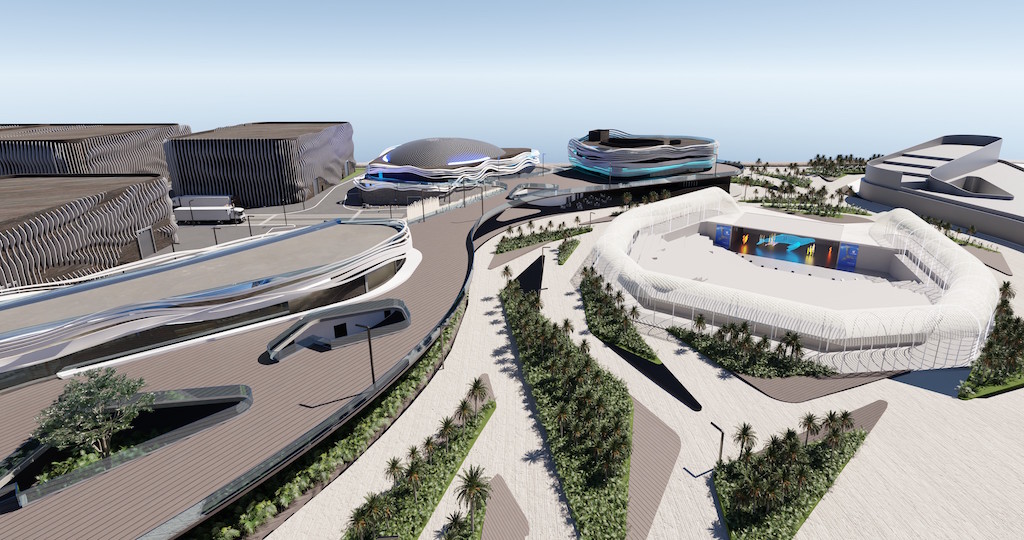
Dreamland Studios in Fuerteventura: A Bold Vision for the Future of the Audiovisual Industry
The future of cinema in Fuerteventura lies not only in its landscapes but also in its infrastructure. In this context, the Dreamland Studios Canarias project stands out as one of the most ambitious audiovisual industry initiatives in the Canary Islands. It is a proposal that aims to establish Fuerteventura as a top-tier film production hub — not just because of its natural setting, but also thanks to its focus on technology, innovation, and education.
Here’s a closer look at what Dreamland Studios is, the impact it could have, and where the project currently stands.
1. What is Dreamland Studios?
Dreamland Studios Canarias is a proposed audiovisual, technological and educational park planned for Fuerteventura. Its goal is to integrate filming infrastructure, digital studios, educational spaces and research facilities into a single, cohesive complex.
Key components of the project include:
- State-of-the-art recording and post-production studios.
- Large-scale indoor sound stages for film and television production.
- Outdoor filming zones with supporting infrastructure.
- Dedicated spaces for special effects and digital animation.
- Classrooms and specialist training centres for film, video games, and multimedia production.
- A film museum and visitor centre focused on audiovisual outreach and tourism.
Dreamland is envisioned not only as a technical facility, but as an educational, cultural and economic landmark for the Canary Islands.
2. Why Fuerteventura?
The choice of Fuerteventura as the location for Dreamland Studios is no coincidence. The island offers several ideal conditions:
- Extensive, undeveloped land available for construction.
- A growing and increasingly established audiovisual sector.
- Proximity to iconic natural environments ideal for filming.
- A favourable political and economic climate, including tax incentives.
- The opportunity to decentralise the sector away from more developed islands like Tenerife or Gran Canaria.
With Dreamland, Fuerteventura could transition from being just a natural backdrop to becoming a fully integrated centre for audiovisual creation.
3. What is the expected impact on the island?
If delivered as envisioned, Dreamland Studios could represent a major boost for the island’s economy, education system, and cultural scene:
- Creation of skilled employment in areas such as production, post-production, animation, digital effects, sound, and video games.
- Attraction of international productions in need of studio services, beyond just on-location shoots.
- Local training of new audiovisual professionals, reducing brain drain from the island.
- Development of niche tourism, with guided tours, events, workshops, and cinema-related experiences.
- Economic diversification, reducing reliance on conventional tourism.
The vision is clear: to turn Fuerteventura into an Atlantic audiovisual hub where content can be filmed, produced, and distributed from a single base.
4. Current status of the project
Dreamland has been both a high-profile and controversial proposal. While it has received support from business groups and parts of the audiovisual sector, it has also sparked debate around:
- The environmental impact of its originally proposed site (near the Corralejo Dunes Natural Park).
- The island’s economic development model.
- The need to ensure sustainability and balance between industry and conservation.
Alternative, more environmentally compatible locations are currently being explored, and the project remains in an administrative and public consultation phase. While no definitive construction date has been set, the proposal is still active and generating interest both within and beyond the Canary Islands.
5. A Long-Term Vision
Beyond Dreamland itself, the conversation it has sparked highlights a broader truth: the island is increasingly being recognised as a centre for audiovisual creation, prompting the need for a strategic, forward-looking vision.
Regardless of where Dreamland is ultimately built, the demand for audiovisual infrastructure on Fuerteventura is real. The talent exists, the demand is growing, and the potential is enormous. Whether through Dreamland or similar initiatives, the path toward a Fuerteventura with its own studios, specialist training, and global presence is becoming clearer.
Fuerteventura doesn’t just want to be the backdrop — it wants to be the centre of the action. And Dreamland Studios is, so far, its boldest move to make that happen.

Conclusion: Fuerteventura, a Rising Star in the Cinematic Sky
Fuerteventura has proven to be much more than just a sun-and-sea destination. With its otherworldly landscapes, exceptional light, tranquillity, and natural diversity, it has become a privileged setting for cinema, television, and advertising. But perhaps the most valuable element is not just what appears on screen, but everything that happens behind each shoot: a human, professional, and cultural network that is steadily growing.
The island has hosted international productions seen around the globe, welcomed documentaries that capture its deepest soul, and inspired brands and artists in search of authenticity. From Hollywood blockbusters to more intimate projects, Fuerteventura has adapted, embraced, and shone—without ever losing its essence.
The impact of this audiovisual exposure goes far beyond the screen. It has brought investment, employment, training, cultural tourism… and most importantly, a new narrative to share with the world: that of a modern, prepared, creative island open to new forms of sustainable development.
And the best is yet to come. With projects like Dreamland Studios and the strengthening of local companies in the sector, Fuerteventura’s future as an audiovisual hub is promising. A new chapter is opening, where the island is seen not only as a natural film set, but as a production and creative centre with a voice of its own.
Fuerteventura is no longer just a place to visit. It is a place to film, to feel, and to tell stories about.